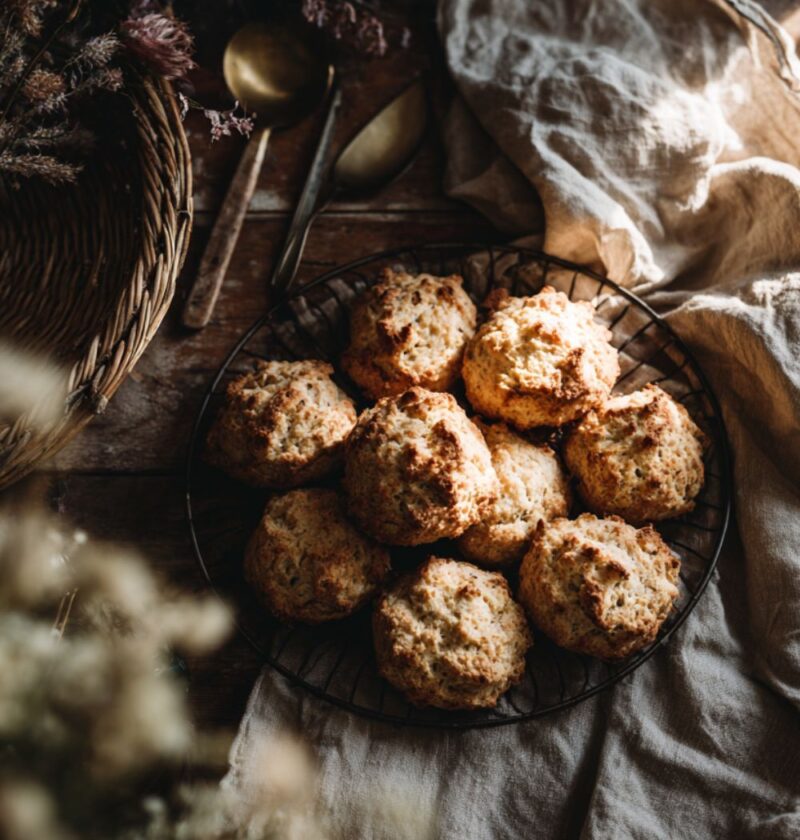
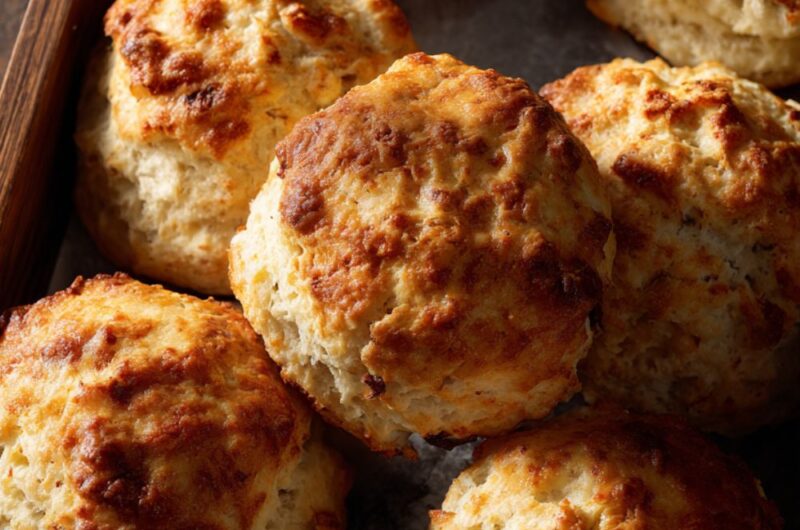
James Martin Buttermilk Scones are the epitome of a perfect British Afternoon Tea treat. By using buttermilk instead of regular milk, these scones achieve a wonderfully light, tender crumb and a subtle tangy flavor that balances the sweetness of jam and cream. They are incredibly fluffy, rising high in the oven with a golden, egg-washed top and a soft, airy interior.
Try More Recipes:
- James Martin Chocolate Brownies
- James Martin Chocolate Brownies
- James Martin Banana And Walnut Bread
Why You Will Love This Buttermilk Scones Recipe:
- Superior Texture: The acidity in the buttermilk reacts with the raising agents to break down gluten strands, ensuring the scones are tender and soft rather than tough or heavy.
- High Rise: This recipe uses both self-raising flour and extra baking powder to guarantee a spectacular rise, giving you that classic tall scone shape.
- Minimal Handling: The secret to this recipe is speed and a light touch—it is designed to be made quickly so the butter doesn’t melt, resulting in a flaky texture.
- Versatile Base: While delicious plain, this dough is the perfect canvas for adding sultanas, cheese, or cherries without altering the texture.
- Authentic Taste: They taste exactly like the scones served in high-end tea rooms, perfect for bringing a touch of luxury to your own kitchen.
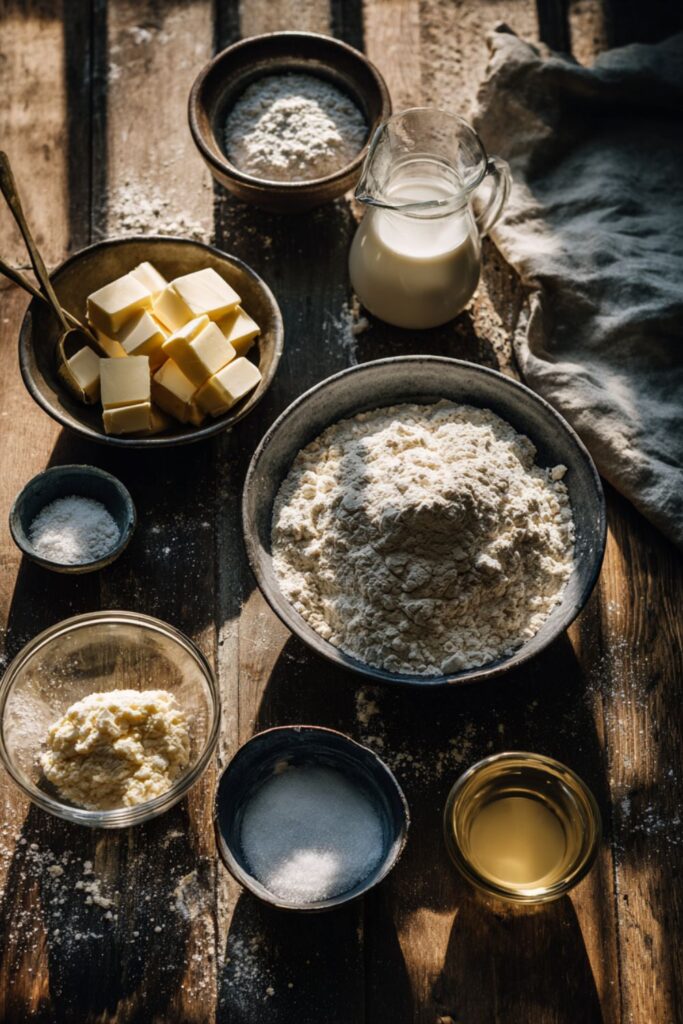
James Martin Buttermilk Scones Ingredients
- 450g self-raising flour (plus extra for dusting)
- 2 tsp baking powder
- 100g unsalted butter, cold and cubed
- 50g caster sugar
- 1 pinch of salt
- 300ml buttermilk (you may need slightly more or less)
- 1 egg, beaten (for the egg wash)
How To Make James Martin Buttermilk Scones
- Preheat and Prep: Preheat your oven to 220°C (430°F). Line a large baking tray with parchment paper or dust it lightly with flour.
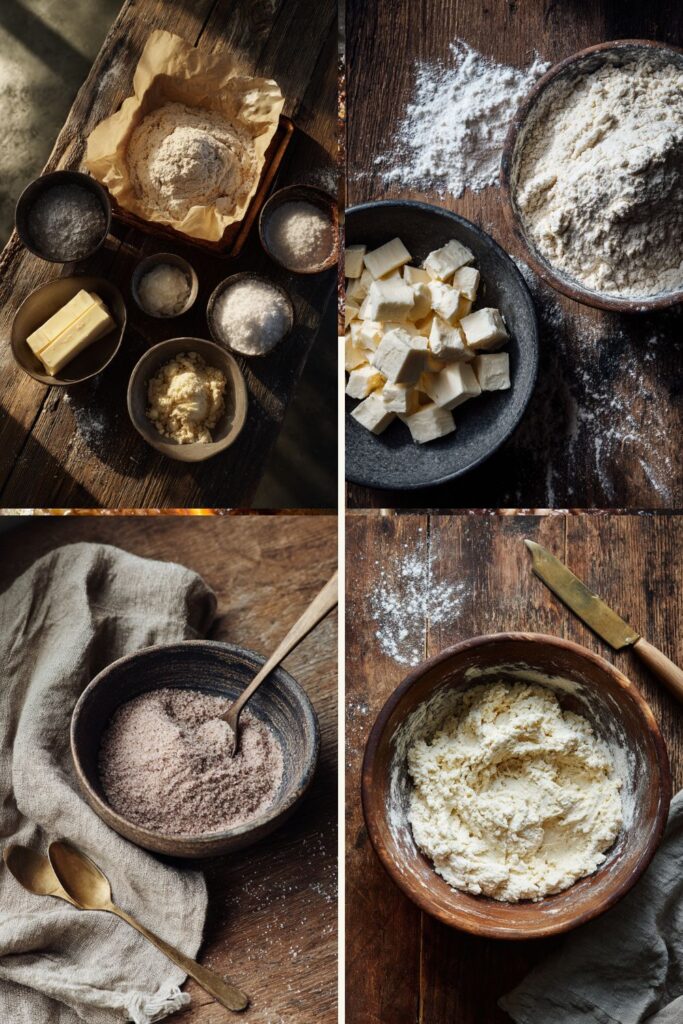
- Rub in the Butter: Sift the 450g of flour, 2 tsp of baking powder, and the pinch of salt into a large mixing bowl. Add the 100g of cold cubed butter. Using your fingertips, gently rub the butter into the flour until the mixture resembles fine breadcrumbs. Lift the mixture high as you rub it to aerate the flour.
- Add Sugar: Stir in the 50g of caster sugar.
- Add Liquid: Make a well in the center of the dry ingredients. Pour in most of the 300ml of buttermilk. Using a round-bladed knife or a spatula, mix gently and quickly until the dough just comes together. If it is too dry, add the remaining buttermilk. The dough should be soft and slightly sticky, but not wet.
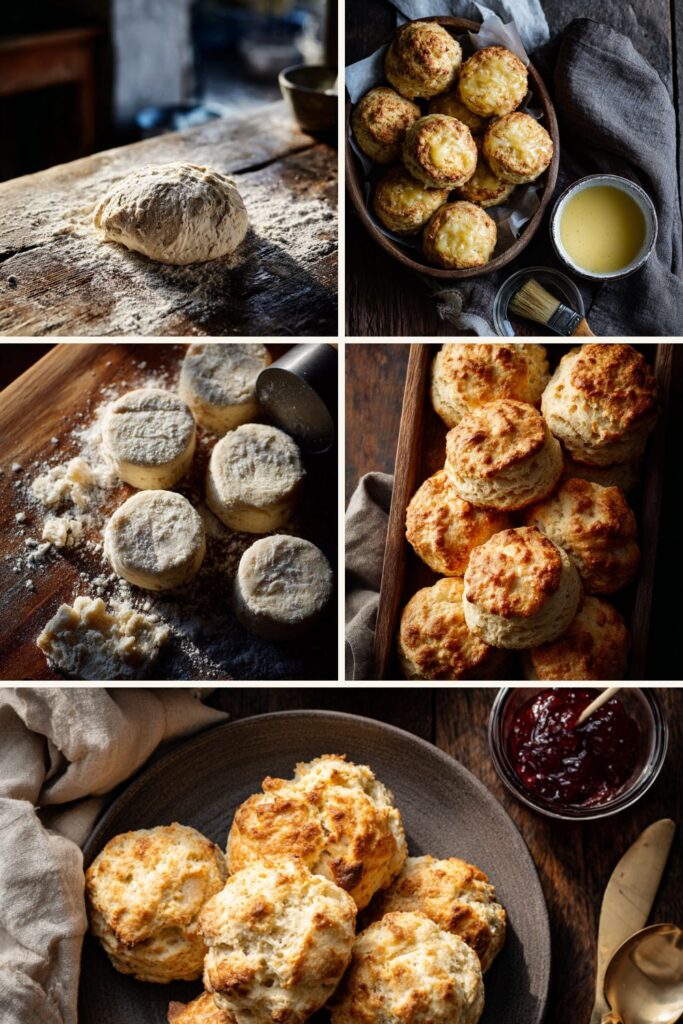
- Shape: Tip the dough onto a lightly floured surface. Fold it over itself just 2 or 3 times to smooth it out. Do not knead it, or the scones will be tough. Pat the dough down gently with your hands to a thickness of about 2.5cm (1 inch). Do not use a rolling pin if you can avoid it.
- Cut: Dip a 6cm round cutter into flour. Press straight down into the dough to cut out the scones. Do not twist the cutter, as this seals the edges and stops them from rising. Re-roll the scraps gently to cut more.
- Glaze: Place the scones on the baking tray. Brush the tops carefully with the beaten egg, taking care not to let the egg drip down the sides (which prevents rising).
- Bake: Bake in the hot oven for 10 to 12 minutes until well risen and golden brown on top.
- Cool: Remove from the oven and place on a wire rack to cool slightly.
Recipe Tips
- The “No Twist” Rule: When cutting out your scones, press straight down and lift straight up. Twisting the cutter seals the layers of dough together, resulting in lopsided scones that don’t rise evenly.
- Cold Ingredients: Keep the butter, buttermilk, and even the bowl cold if possible. This ensures the fat doesn’t melt until it hits the hot oven, creating flaky layers.
- Don’t Overwork: Handle the dough as little as possible. The more you knead, the tougher the gluten becomes, and the heavier your scones will be. It should look a bit rough.
- DIY Buttermilk: If you can’t find buttermilk, measure 300ml of regular milk and add 1 tablespoon of lemon juice or white vinegar. Let it sit for 10 minutes until it curdles/thickens, then use it as normal.
What To Serve With Buttermilk Scones?
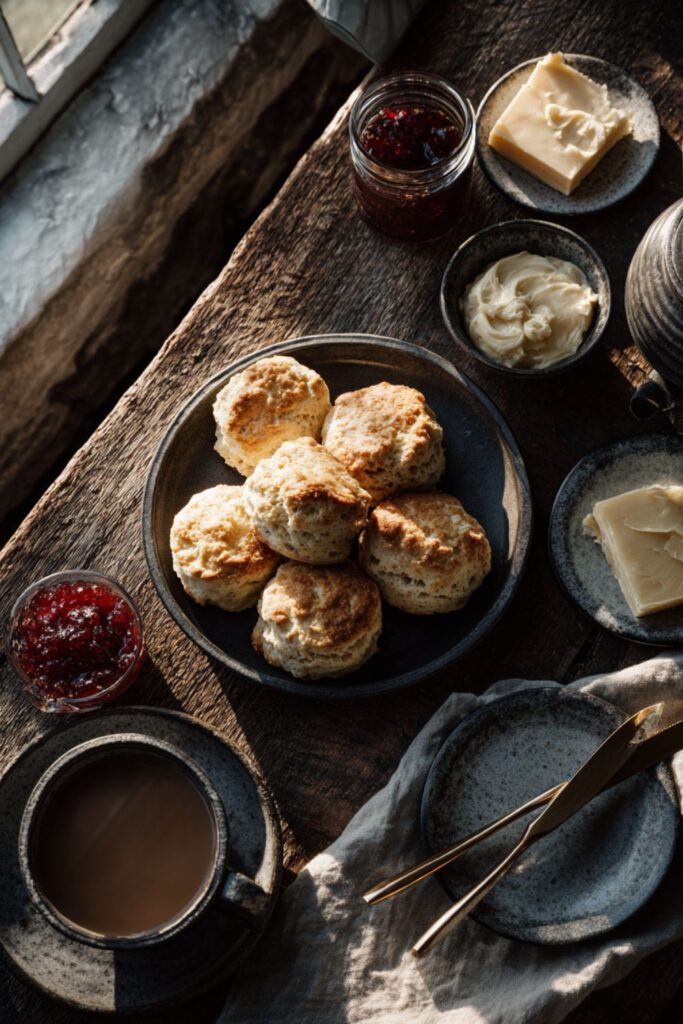
These Buttermilk Scones serve as the foundation for a classic Cream Tea they must be served warm with generous pots of clotted cream and high-quality strawberry jam. For a savory twist (if you omit the sugar), serve them with slices of mature cheddar cheese and chutney. They are best accompanied by a pot of strong English Breakfast tea.
How To Store Leftovers Buttermilk Scones?
- Room Temperature: Scones are best eaten the day they are made. However, you can store them in an airtight container at room temperature for up to 2 days.
- Freeze: These freeze brilliantly. Once cool, place them in a freezer bag and freeze for up to 3 months.
How To Reheat Leftovers Buttermilk Scones?
Important Tip: Stale scones can be revived by heating them; never eat a day-old scone cold.
- Oven: Preheat oven to 180°C (350°F). Sprinkle the scones lightly with water and heat for 3 to 5 minutes.
- Microwave: Heat individual scones for 10 to 20 seconds. Be careful not to overheat, or they will become chewy.
- From Frozen: You can reheat frozen scones in a 160°C (320°F) oven for 10 to 15 minutes until thawed and warm.
FAQs
Yes. You can add 50g to 75g of sultanas, raisins, or dried cranberries in step 3 when you add the sugar.
This usually happens for three reasons: the baking powder was old/expired, you twisted the cutter, or you rolled the dough too thin (keep it thick!).
James Martin typically uses unsalted butter to control the flavor, but if you only have salted butter, just skip the pinch of salt in the flour mix.
Try More Recipes:
Buttermilk Scones Nutrition Facts
Serving Size: 1 scone (serves 8)
- Calories: 260 kcal
- Total Fat: 10g
- Saturated Fat: 6g
- Cholesterol: 45mg
- Sodium: 350mg
- Total Carbohydrate: 38g
- Dietary Fiber: 1g
- Sugars: 7g
- Protein: 6g
James Martin Buttermilk Scones
Course: Breakfast, snacks, Afternoon TeaCuisine: British, AmericanDifficulty: Easy8
servings15
minutes12
minutes260
kcalJames Martin Buttermilk Scones are the epitome of a perfect British Afternoon Tea treat. By using buttermilk instead of regular milk, these scones achieve a wonderfully light, tender crumb and a subtle tangy flavor that balances the sweetness of jam and cream. They are incredibly fluffy, rising high in the oven with a golden, egg-washed top and a soft, airy interior.
Ingredients
450g self-raising flour (plus extra for dusting)
2 tsp baking powder
100g unsalted butter, cold and cubed
50g caster sugar
1 pinch of salt
300ml buttermilk (you may need slightly more or less)
1 egg, beaten (for the egg wash)
Directions
- Preheat and Prep: Preheat your oven to 220°C (430°F). Line a large baking tray with parchment paper or dust it lightly with flour.
- Rub in the Butter: Sift the 450g of flour, 2 tsp of baking powder, and the pinch of salt into a large mixing bowl. Add the 100g of cold cubed butter. Using your fingertips, gently rub the butter into the flour until the mixture resembles fine breadcrumbs. Lift the mixture high as you rub it to aerate the flour.
- Add Sugar: Stir in the 50g of caster sugar.
- Add Liquid: Make a well in the center of the dry ingredients. Pour in most of the 300ml of buttermilk. Using a round-bladed knife or a spatula, mix gently and quickly until the dough just comes together. If it is too dry, add the remaining buttermilk. The dough should be soft and slightly sticky, but not wet.
- Shape: Tip the dough onto a lightly floured surface. Fold it over itself just 2 or 3 times to smooth it out. Do not knead it, or the scones will be tough. Pat the dough down gently with your hands to a thickness of about 2.5cm (1 inch). Do not use a rolling pin if you can avoid it.
- Cut: Dip a 6cm round cutter into flour. Press straight down into the dough to cut out the scones. Do not twist the cutter, as this seals the edges and stops them from rising. Re-roll the scraps gently to cut more.
- Glaze: Place the scones on the baking tray. Brush the tops carefully with the beaten egg, taking care not to let the egg drip down the sides (which prevents rising).
- Bake: Bake in the hot oven for 10 to 12 minutes until well risen and golden brown on top.
- Cool: Remove from the oven and place on a wire rack to cool slightly.
Notes
- The “No Twist” Rule: When cutting out your scones, press straight down and lift straight up. Twisting the cutter seals the layers of dough together, resulting in lopsided scones that don’t rise evenly.
Cold Ingredients: Keep the butter, buttermilk, and even the bowl cold if possible. This ensures the fat doesn’t melt until it hits the hot oven, creating flaky layers.
Don’t Overwork: Handle the dough as little as possible. The more you knead, the tougher the gluten becomes, and the heavier your scones will be. It should look a bit rough.
DIY Buttermilk: If you can’t find buttermilk, measure 300ml of regular milk and add 1 tablespoon of lemon juice or white vinegar. Let it sit for 10 minutes until it curdles/thickens, then use it as normal.