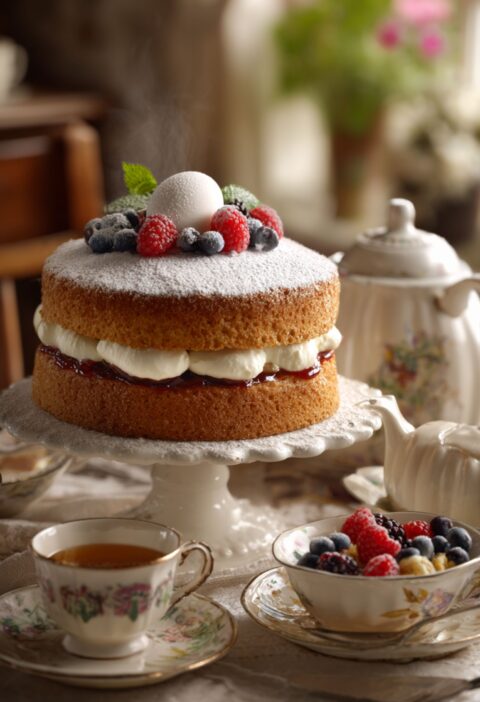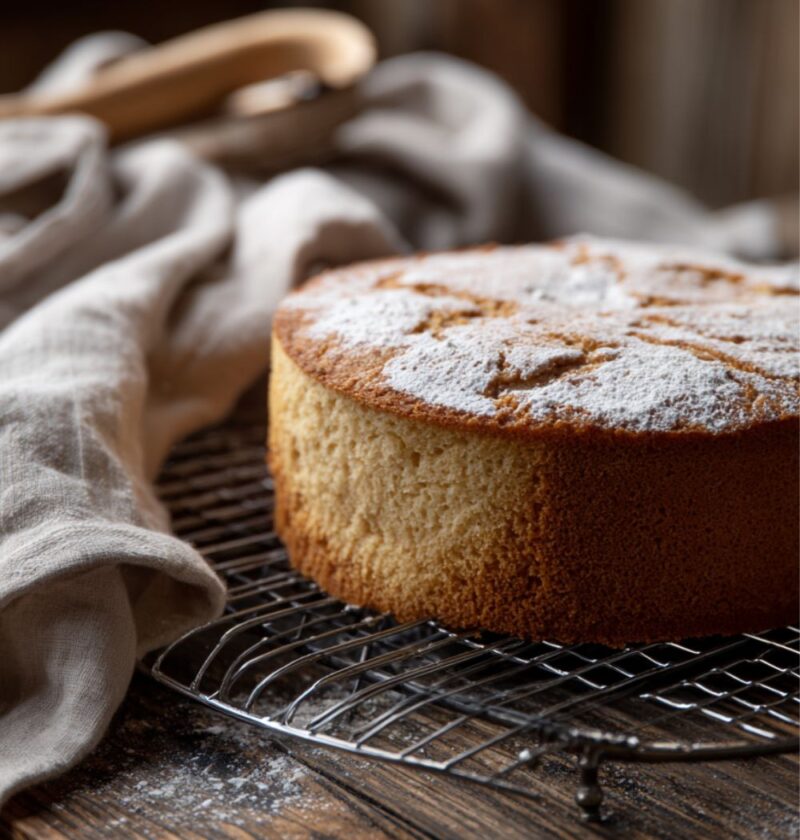
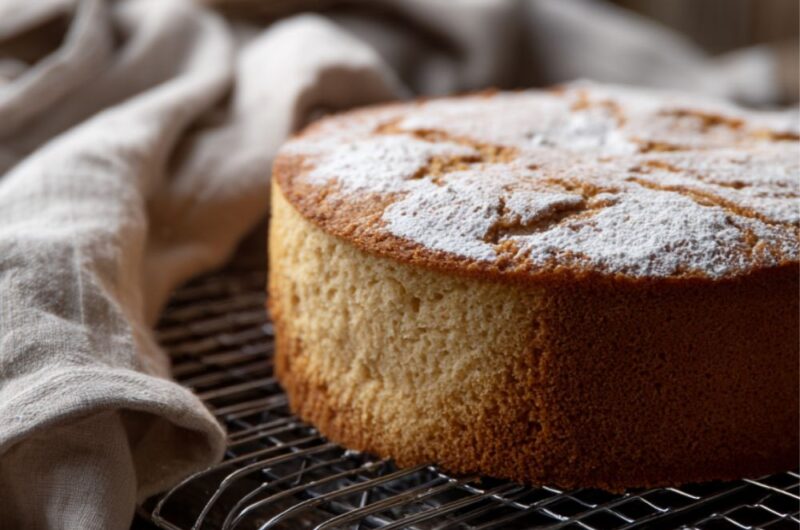
James Martin Genoise Sponge Cake is the fundamental building block of French patisserie and the secret to creating light-as-air layer cakes. Unlike a standard Victoria sponge which creams butter and sugar together, a Genoise relies on the volume of whipped eggs and sugar to provide lift. James Martin’s version includes a crucial addition—melted butter—which enriches the sponge and keeps it moist without weighing it down. This technique results in a feather-light, dry-textured cake that is specifically designed to soak up flavored syrups, liqueurs, and fruit juices without turning to mush.
Try more Recipes:
Why You Will Love This Genoise Sponge Cake Recipe:
- Professional Texture: This Genoise Sponge Cake produces a sponge with a tight, uniform crumb that cuts beautifully and holds its shape when layered with heavy creams or mousses.
- Absorbs Flavor: Because the sponge is naturally drier than a butter cake, it acts like a sponge (literally) for soaking syrups, allowing you to infuse deep flavors into the cake.
- Versatile Base: Once mastered, this single recipe can be used for Swiss rolls, trifles, or elaborate birthday cakes.
- Pantry Staples: It requires only four humble ingredients—eggs, sugar, flour, and butter—that you likely already have.
- The “Ribbon” Stage: Making this cake teaches you the classic French technique of whisking eggs to the “ribbon stage,” a skill that elevates all your baking.
James Martin Genoise Sponge Cake Ingredients
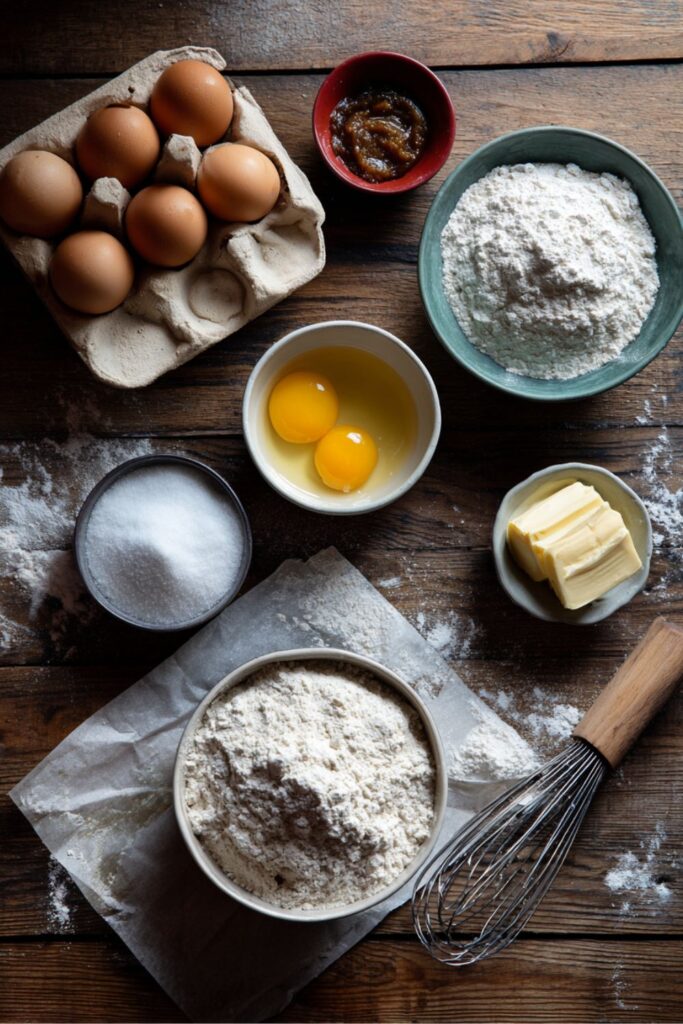
- 4 large eggs (at room temperature)
- 125g (1/2 cup + 1 tbsp) caster sugar (superfine sugar)
- 125g (1 cup) plain flour (all-purpose flour), sifted twice
- 30g (2 tbsp) unsalted butter, melted and cooled
- 1 tsp vanilla bean paste (optional)
- Pinch of salt
How To Make James Martin Genoise Sponge Cake
- Prep: Preheat your oven to 190°C (375°F) or 170°C (340°F) for fan ovens. Grease two 20cm (8-inch) round cake tins and line the bases with baking parchment. Dust the sides with flour and tap out the excess.
- Melt Butter: Melt the butter in a small saucepan or microwave. Set it aside to cool slightly. It needs to be liquid but not piping hot.
- The Bain-Marie: Fill a saucepan with about an inch of water and bring it to a simmer. Place a large heatproof bowl over the pan (ensure the bottom of the bowl does not touch the water).
- Whisk Eggs and Sugar: Crack the eggs into the bowl and add the caster sugar (and vanilla if using). Whisk continuously with a hand whisk or electric hand mixer for 5 to 7 minutes over the heat. The mixture should double in volume, become pale, and feel warm to the touch.
- Ribbon Stage: Remove the bowl from the heat. Continue whisking on high speed for another 5 minutes until the mixture is cool, thick, and moussy.
- The Test: Lift the whisk; the mixture should fall back into the bowl in a thick trail that sits on the surface for a few seconds before sinking. This is the “ribbon stage.”
- Fold in Flour: Sift half of the flour (and salt) over the egg mixture. Using a large metal spoon or spatula, fold it in very gently using a figure-of-eight motion. Do not beat or stir, or you will knock out the air bubbles. Sift in the remaining flour and fold again until just combined.
- Add Butter: Pour the melted, cooled butter around the edge of the bowl. Fold it in quickly and gently. Stop mixing as soon as the butter is incorporated.
- Bake: Divide the mixture evenly between the prepared tins. Bake for 20 to 25 minutes.
- Doneness: The cakes should be golden brown and spring back when lightly pressed in the center. The edges should have shrunk slightly away from the sides of the tin.
- Cool: Turn the cakes out onto a wire rack immediately. Peel off the parchment paper and let them cool completely.

Recipe Tips
- Sift Twice: Sifting the flour allows it to sit on top of the foam rather than sinking to the bottom like a stone. This makes folding easier and keeps the air in the batter.
- Room Temp Eggs: Cold eggs take much longer to whip up to volume. Ensure your eggs are at room temperature for the best rise.
- Metal Spoon: Use a large metal spoon for folding. Metal cuts through the foam cleanly, whereas a thick wooden spoon or silicone spatula can drag the batter and deflate it.
- Butter Temp: If the melted butter is too hot, it will cook the eggs. If it is too cold, it will be heavy and sink. It should be tepid/lukewarm.
- No Peeking: Do not open the oven door for the first 15 minutes, or the delicate structure of the sponge may collapse.
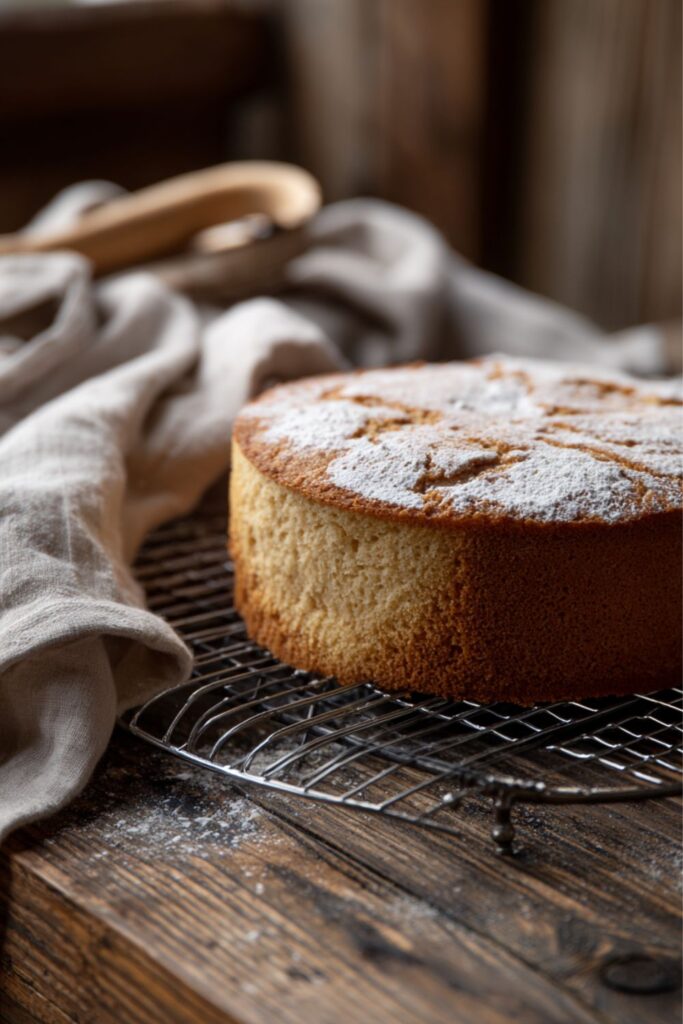
What To Serve With Genoise Sponge Cake Recipe?
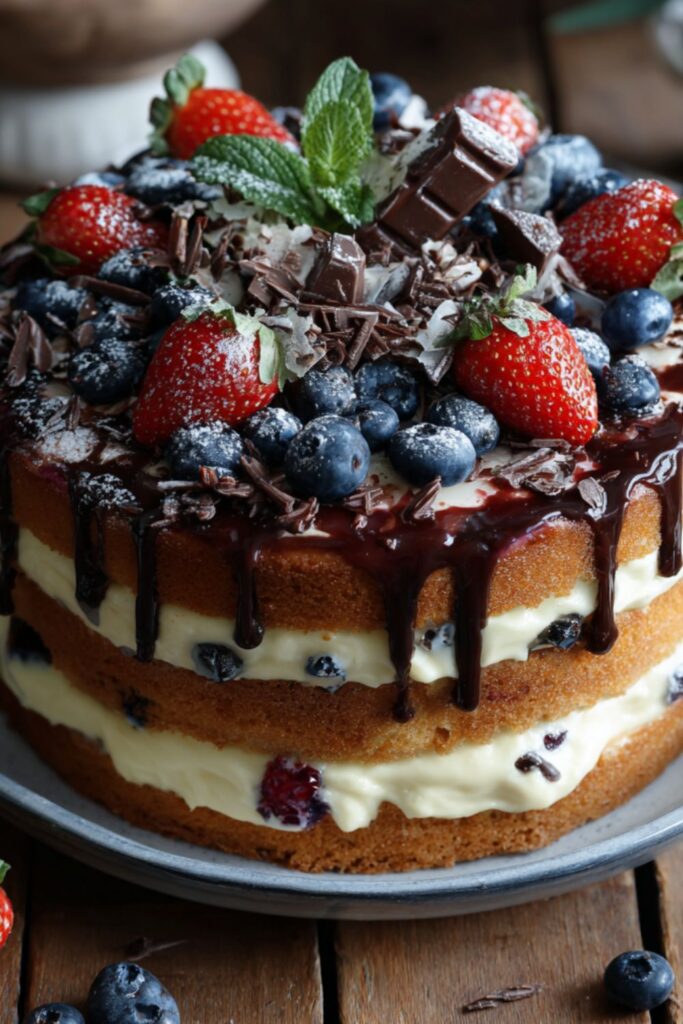
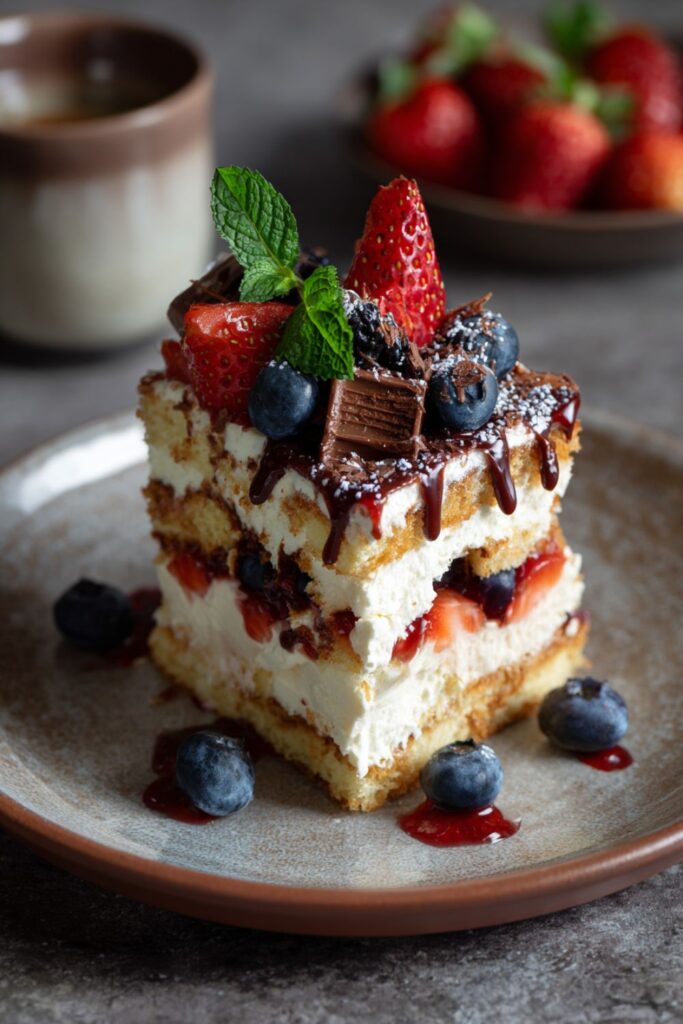
This Genoise Sponge Cake is a blank canvas. It is best served filled with Crème Pâtissière (Pastry Cream) and fresh Strawberries (Fraisier style). It is also delicious soaked in Lemon Syrup and filled with Whipped Cream and Raspberries. For a simple treat, sandwich it with high-quality Apricot Jam.
How To Store Leftovers Genoise Sponge Cake?
- Room Temperature: An unfilled sponge can be wrapped tightly in cling film and stored in an airtight container for 2 days.
- Filled Cake: If the cake is filled with cream or fresh fruit, it must be stored in the refrigerator and consumed within 24 hours.
- Freeze: Genoise freezes exceptionally well. Wrap the cooled sponges individually in plastic wrap and then foil. Freeze for up to 1 month. Thaw at room temperature before using.
How To Reheat Genoise Sponge Cake?
Important Note: If your Genoise Sponge Cake is already filled with cream, mousse, or fresh fruit, do not reheat it. The filling will melt and ruin the structure of the cake. Filled Genoise should always be served chilled or at room temperature.
- Microwave (To Soften): If the Genoise Sponge Cake feels a little dry or stale, place a slice on a microwave-safe plate and heat for just 10 to 15 seconds. This briefly softens the butter in the crumb, making it feel freshly baked again. Do not overheat, or it will become chewy.
- Oven (For Warm Desserts): If you are serving the sponge as a pudding with hot custard, wrap the whole cake (or slices) in aluminum foil and warm in a 150°C (300°F) oven for 5 to 10 minutes. The foil prevents the edges from becoming crispy.
FAQs
This usually happens if the eggs were under-whisked (not enough structure) or over-folded (air knocked out). It can also happen if the oven door was opened too early.
A rubbery texture is a sign of over-mixing after adding the flour, which develops the gluten. Fold gently and stop as soon as the flour disappears.
Technically, you can whisk the eggs and sugar cold (using a stand mixer), but heating the eggs helps the proteins relax and creates a much more stable, higher-volume foam. The warm method is the traditional Genoise technique.
Try more Recipes:
Genoise Sponge Nutrition Facts
Serving Size: 1 slice (1/8 of cake, unfilled)
- Calories: 140 kcal
- Total Fat: 4g
- Saturated Fat: 2g
- Cholesterol: 95mg
- Sodium: 40mg
- Total Carbohydrate: 22g
- Dietary Fiber: 0g
- Sugars: 15g
- Protein: 4g
James Martin Genoise Sponge Cake
Course: DessertCuisine: French, BritishDifficulty: Easy8
servings20
minutes25
minutes140
kcalJames Martin’s Genoise Sponge Cake is the secret weapon of French patisserie—a feather-light, airy base that is far more versatile than a standard butter cake. By whisking eggs and sugar to the “ribbon stage” and enriching the batter with melted butter, this recipe creates a sponge with a delicate, tight crumb that is sturdy enough to hold heavy creams yet porous enough to soak up flavored syrups. It is the perfect, professional foundation for everything from a classic Victoria sponge to an elaborate Fraisier or Black Forest Gateau.
Ingredients
4 large eggs (at room temperature)
125g (1/2 cup + 1 tbsp) caster sugar (superfine sugar)
125g (1 cup) plain flour (all-purpose flour), sifted twice
30g (2 tbsp) unsalted butter, melted and cooled
1 tsp vanilla bean paste (optional)
Pinch of salt
Directions
- Prep: Preheat your oven to 190°C (375°F) or 170°C (340°F) for fan ovens. Grease two 20cm (8-inch) round cake tins and line the bases with baking parchment. Dust the sides with flour and tap out the excess.
- Melt Butter: Melt the butter in a small saucepan or microwave. Set it aside to cool slightly. It needs to be liquid but not piping hot.
- The Bain-Marie: Fill a saucepan with about an inch of water and bring it to a simmer. Place a large heatproof bowl over the pan (ensure the bottom of the bowl does not touch the water).
- Whisk Eggs and Sugar: Crack the eggs into the bowl and add the caster sugar (and vanilla if using). Whisk continuously with a hand whisk or electric hand mixer for 5 to 7 minutes over the heat. The mixture should double in volume, become pale, and feel warm to the touch.
- Ribbon Stage: Remove the bowl from the heat. Continue whisking on high speed for another 5 minutes until the mixture is cool, thick, and moussy.
The Test: Lift the whisk; the mixture should fall back into the bowl in a thick trail that sits on the surface for a few seconds before sinking. This is the “ribbon stage.” - Fold in Flour: Sift half of the flour (and salt) over the egg mixture. Using a large metal spoon or spatula, fold it in very gently using a figure-of-eight motion. Do not beat or stir, or you will knock out the air bubbles. Sift in the remaining flour and fold again until just combined.
- Add Butter: Pour the melted, cooled butter around the edge of the bowl. Fold it in quickly and gently. Stop mixing as soon as the butter is incorporated.
- Bake: Divide the mixture evenly between the prepared tins. Bake for 20 to 25 minutes.
Doneness: The cakes should be golden brown and spring back when lightly pressed in the center. The edges should have shrunk slightly away from the sides of the tin. - Cool: Turn the cakes out onto a wire rack immediately. Peel off the parchment paper and let them cool completely.
Notes
- Sift Twice: Sifting the flour allows it to sit on top of the foam rather than sinking to the bottom like a stone. This makes folding easier and keeps the air in the batter.
Room Temp Eggs: Cold eggs take much longer to whip up to volume. Ensure your eggs are at room temperature for the best rise.
Metal Spoon: Use a large metal spoon for folding. Metal cuts through the foam cleanly, whereas a thick wooden spoon or silicone spatula can drag the batter and deflate it.
Butter Temp: If the melted butter is too hot, it will cook the eggs. If it is too cold, it will be heavy and sink. It should be tepid/lukewarm.
No Peeking: Do not open the oven door for the first 15 minutes, or the delicate structure of the sponge may collapse.