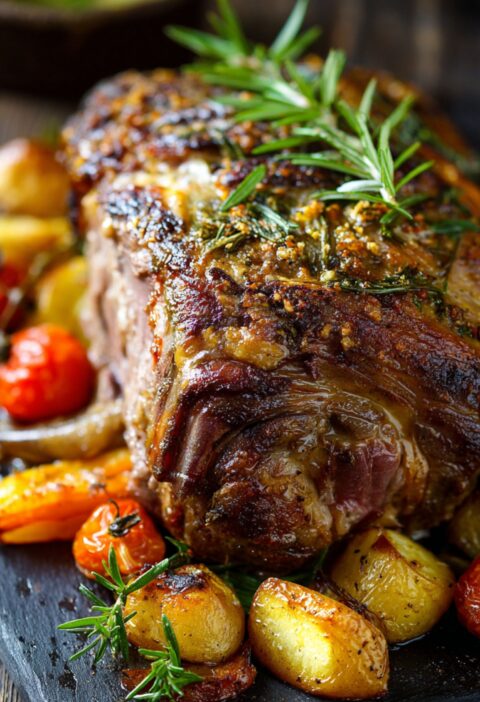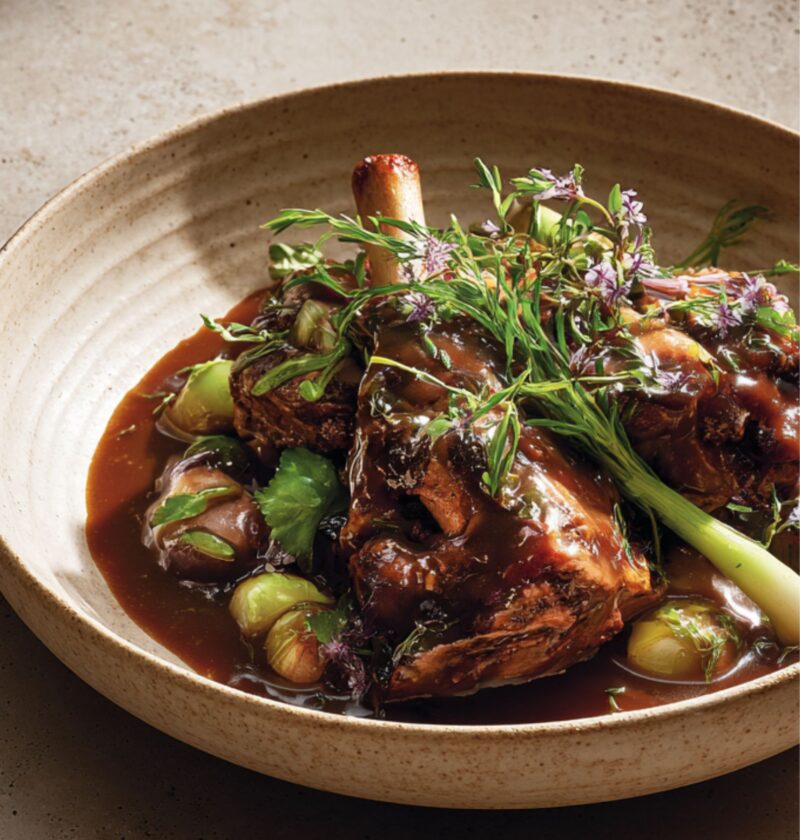
James Martin Lamb Shanks recipe is the epitome of comfort food, turning tough cuts of meat into melt-in-the-mouth perfection. It is made with robust bone-in lamb shanks, dusted in seasoned flour and seared until golden, then slowly braised in a rich bath of red wine, beef stock, and aromatic root vegetables. The result is meat so tender it slides off the bone, smothered in a deep, glossy, gelatinous gravy that is packed with savory depth. It is perfect for a cozy winter dinner party, a romantic Valentine’s meal, or a lazy Sunday when you have time to let the oven do the work.
Try more Recipes:
Why You Will Love This Lamb Shanks Recipe:
- Fall-off-the-bone Texture: The long, slow braise breaks down the collagen in the shanks, transforming them into incredibly succulent, gelatinous meat.
- The Gravy: Cooking the meat in the sauce creates a “two-for-one” dish—you get the main protein and a rich, complex sauce without making them separately.
- Flavor Depth: The combination of caramelized meat, red wine acidity, and sweet root vegetables creates a flavor profile that is deep, earthy, and satisfying.
- Better the Next Day: Like a good stew, the flavors improve overnight, making this an ideal make-ahead dish for stress-free entertaining.
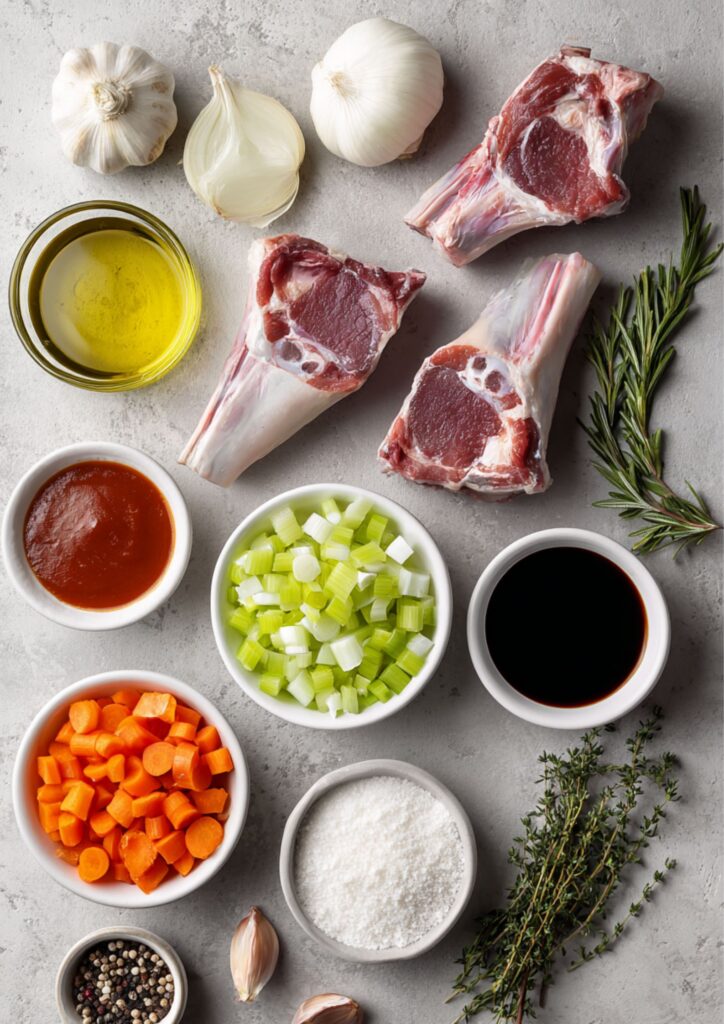
James Martin Lamb Shanks Ingredients
- 4 lamb shanks (French trimmed looks best, but standard is fine)
- 2 tbsp plain flour, seasoned with salt and pepper
- 2 tbsp olive oil or vegetable oil
- 2 onions, roughly chopped
- 2 carrots, peeled and roughly diced
- 2 celery sticks, roughly diced
- 4 garlic cloves, peeled and smashed (whole)
- 2 tbsp tomato purée
- 500 ml red wine (a full-bodied variety like Cabernet or Shiraz)
- 500 ml beef stock or lamb stock (high quality)
- 2 sprigs fresh rosemary
- 2 sprigs fresh thyme
- 1 bay leaf
How To Make James Martin Lamb Shanks
- Preheat the oven: to 160°C (320°F) or 140°C (285°F) Fan. Braising requires low, gentle heat.
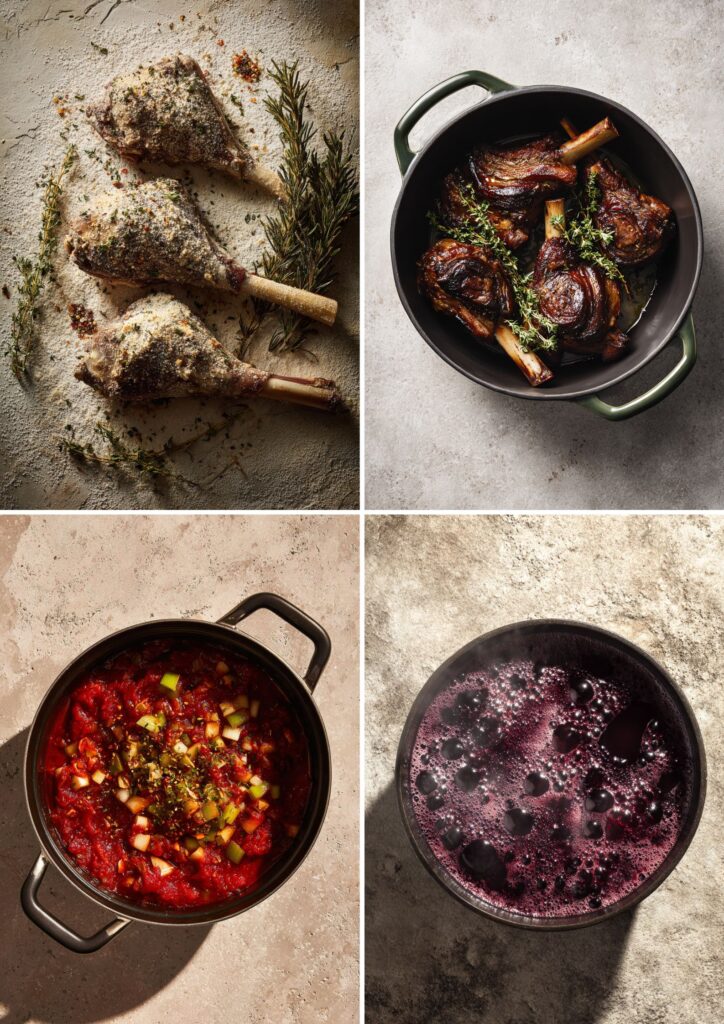
- Coat the meat: by rolling the lamb shanks in the seasoned flour. Shake off any excess. This helps brown the meat and thickens the sauce later.
- Sear the shanks: by heating the oil in a large, heavy-based casserole dish (Dutch oven) over medium-high heat. Brown the shanks on all sides until deep golden. Do not rush this—color equals flavor. Remove the shanks and set aside.
- Sauté aromatics: by adding the onions, carrots, celery, and garlic to the same pot. Cook for 5 minutes until slightly softened and beginning to brown in the lamb fat. Stir in the tomato purée and cook for 1 minute to cook out the raw taste.
- Deglaze the pan: by pouring in the red wine. Scrape the bottom of the pot with a wooden spoon to release any sticky caramelized bits (fond). Bring to a boil and let it bubble for 2 to 3 minutes to burn off the alcohol.
- Build the braise: by adding the beef stock, rosemary, thyme, and bay leaf. Return the lamb shanks to the pot, ensuring they are largely submerged in the liquid.
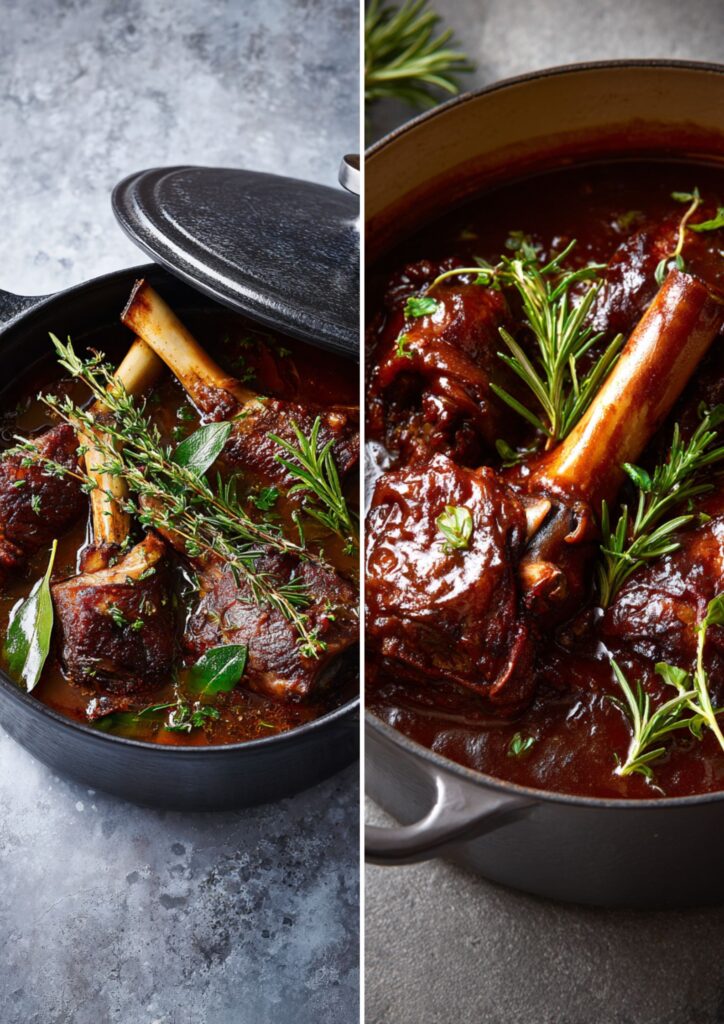
- Slow cook: by covering the pot with a tight-fitting lid (or foil). Place in the oven and cook for 2.5 to 3 hours. Turn the shanks halfway through cooking to ensure even tenderness.
- Finish the sauce: by checking the meat—it should be pulling away from the bone. If the sauce is too thin, remove the meat and keep warm. Boil the sauce on the stovetop for 5 to 10 minutes until reduced to a glossy glaze.
- Serve by spooning the rich gravy and vegetables over the shanks.
Recipe Tips
- Don’t skip the sear: The Maillard reaction (browning) is essential. If you throw raw shanks into liquid, the result will be pale and lack depth.
- The “Wiggle” Test: To know if they are done, wiggle the bone. If the bone moves freely and looks like it could pull right out of the meat, they are ready. If the meat feels tight, give it another 30 minutes.
- Skim the fat: Lamb shanks release a lot of fat. Before serving, use a spoon to skim the oily layer off the top of the sauce, or use a slice of bread to absorb it.
- Wine choice: Don’t use “cooking wine.” Use a wine you would happily drink. If it tastes bad in the glass, it will taste bad in the pot.
What To Serve With Lamb Shanks?
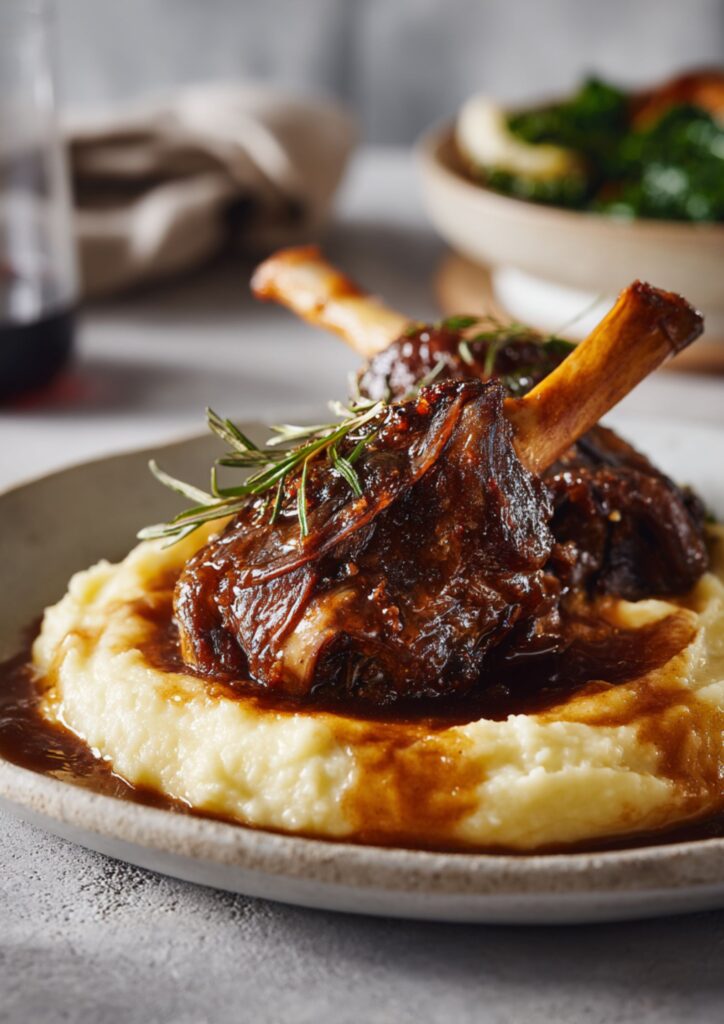
This rich gelatinous cut needs a creamy base to soak up the deep, savory gravy a bed of buttery mashed potatoes or soft polenta is the perfect vehicle for the sauce. To balance the intense meatiness, serve with sweet roasted root vegetables (like carrots and parsnips) or earthy braised kale. For a final professional touch, top the meat with a zesty gremolata (lemon zest, garlic, and parsley) to cut through the richness.
How To Store Leftovers Lamb Shanks?
- Refrigerate: Store the shanks submerged in the gravy in an airtight container for up to 3 days. The fat will solidify on top, which is easy to remove before reheating.
- Freeze: These freeze perfectly. Place cooled shanks and sauce in freezer bags or containers. Freeze for up to 3 months.
- Flavor Tip: This Lamb Shanks often tastes better on the second day as the flavors have time to meld.
How To Reheat Leftovers Lamb Shanks?
- Oven (Best Method): Place shanks and sauce in a covered dish. Reheat at 170°C (340°F) for 30 to 40 minutes until piping hot.
- Stovetop: Reheat gently in a pot over low heat, stirring occasionally to prevent the sauce from sticking. Add a splash of water if the sauce has become too thick.
FAQs
Absolutely. Searing the lamb shanks in a hot pan until they are dark brown on all sides is essential. This creates a deep u0022fondu0022 (caramelized bits) on the bottom of the pan, which provides the base for a rich, professional-quality gravy that you simply can’t get without browning.
The meat should be falling off the bone you can test this by pressing the meat with a fork it should offer no resistance and pull away easily. If the Lamb Shanks still feels springy or tough, it needs more time—the collagen hasn’t fully turned into silky gelatin yet.
If your sauce is watery after the shanks are done, remove the meat and keep it warm. Turn the heat up on the stovetop and boil the liquid rapidly for 10–15 minutes to reduce it. This concentrates the flavor and creates a glossy, thick glaze that coats the back of a spoon.
Try more Recipes:
- James Martin Grilled Pork Chops
- James Martin Pan Fried Pork Chops
- James Martin Chateaubriand Recipe
Lamb Shanks Nutrition Facts
- Calories: ~550 kcal
- Total Fat: 35g
- Saturated Fat: 15g
- Cholesterol: 145mg
- Sodium: 580mg
- Total Carbohydrate: 8g (primarily from the braising vegetables and wine)
- Protein: 48g
James Martin Lamb Shanks
Course: Main, Lunch, DinnerCuisine: British, FrenchDifficulty: Easy4
servings20
minutes3
hours550
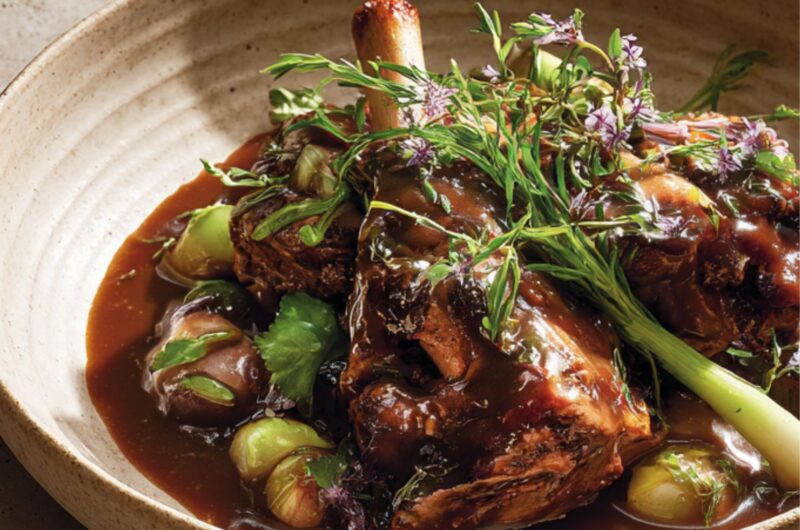
kcalJames Martin Lamb Shanks are the ultimate comfort food—slow-cooked until the meat literally slides off the bone. The secret to this dish lies in the long, slow braise in a rich red wine and balsamic reduction, which transforms a tough cut into a melt-in-the-mouth delicacy. James’s signature touch is ensuring the sauce is reduced at the end to a thick, glossy glaze that coats the meat perfectly, making it restaurant-quality right in your home kitchen.
Ingredients
4 lamb shanks (French trimmed looks best, but standard is fine)
2 tbsp plain flour, seasoned with salt and pepper
2 tbsp olive oil or vegetable oil
2 onions, roughly chopped
2 carrots, peeled and roughly diced
2 celery sticks, roughly diced
4 garlic cloves, peeled and smashed (whole)
2 tbsp tomato purée
500 ml red wine (a full-bodied variety like Cabernet or Shiraz)
500 ml beef stock or lamb stock (high quality)
2 sprigs fresh rosemary
2 sprigs fresh thyme
1 bay leaf
Directions
- Preheat the oven: to 160°C (320°F) or 140°C (285°F) Fan. Braising requires low, gentle heat.
- Coat the meat: by rolling the lamb shanks in the seasoned flour. Shake off any excess. This helps brown the meat and thickens the sauce later.
- Sear the shanks: by heating the oil in a large, heavy-based casserole dish (Dutch oven) over medium-high heat. Brown the shanks on all sides until deep golden. Do not rush this—color equals flavor. Remove the shanks and set aside.
- Sauté aromatics: by adding the onions, carrots, celery, and garlic to the same pot. Cook for 5 minutes until slightly softened and beginning to brown in the lamb fat. Stir in the tomato purée and cook for 1 minute to cook out the raw taste.
- Deglaze the pan: by pouring in the red wine. Scrape the bottom of the pot with a wooden spoon to release any sticky caramelized bits (fond). Bring to a boil and let it bubble for 2 to 3 minutes to burn off the alcohol.
- Build the braise: by adding the beef stock, rosemary, thyme, and bay leaf. Return the lamb shanks to the pot, ensuring they are largely submerged in the liquid.
- Slow cook: by covering the pot with a tight-fitting lid (or foil). Place in the oven and cook for 2.5 to 3 hours. Turn the shanks halfway through cooking to ensure even tenderness.
- Finish the sauce: by checking the meat—it should be pulling away from the bone. If the sauce is too thin, remove the meat and keep warm. Boil the sauce on the stovetop for 5 to 10 minutes until reduced to a glossy glaze.
- Serve by spooning the rich gravy and vegetables over the shanks.
Notes
- Don’t skip the sear: The Maillard reaction (browning) is essential. If you throw raw shanks into liquid, the result will be pale and lack depth.
The “Wiggle” Test: To know if they are done, wiggle the bone. If the bone moves freely and looks like it could pull right out of the meat, they are ready. If the meat feels tight, give it another 30 minutes.
Skim the fat: Lamb shanks release a lot of fat. Before serving, use a spoon to skim the oily layer off the top of the sauce, or use a slice of bread to absorb it.
Wine choice: Don’t use “cooking wine.” Use a wine you would happily drink. If it tastes bad in the glass, it will taste bad in the pot.