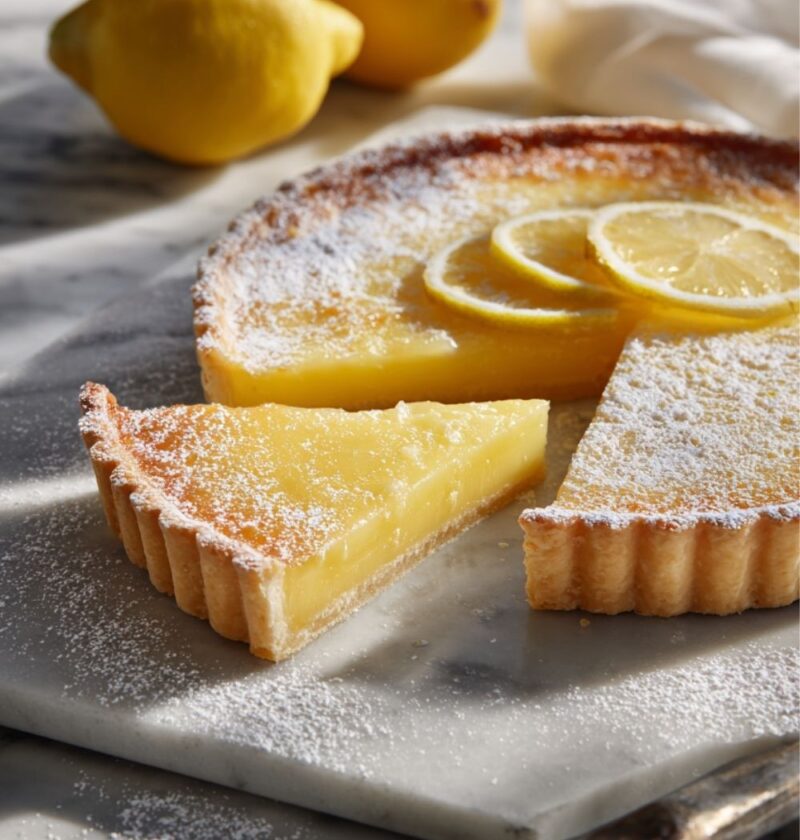
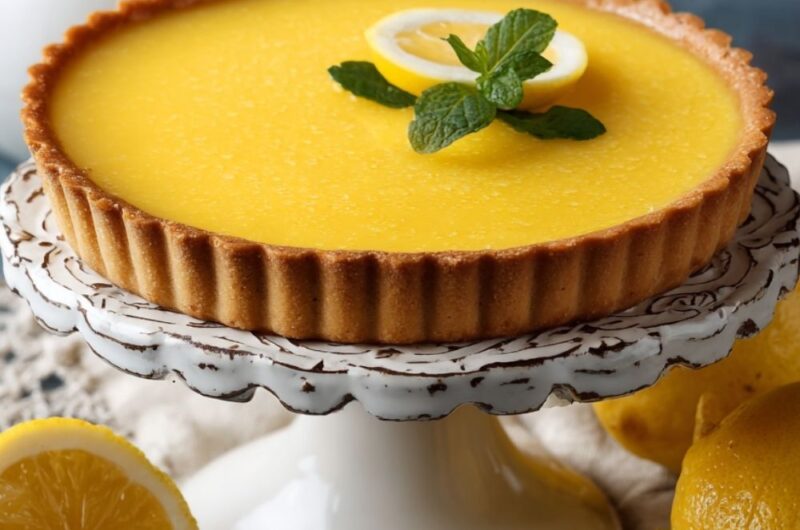
James Martin Lemon Tart is a masterful rendition of the classic French Tarte au Citron, bringing a slice of professional patisserie perfection right into your home kitchen. It is made with a delicate, crisp homemade sweet pastry shell that provides the perfect vessel for a luxurious, velvety filling of heavy double cream, vibrant fresh lemons, and free-range eggs. The result is a sophisticated dessert featuring a glass-smooth, wobbly custard that delivers an intense, palate-cleansing citrus kick to cut through the buttery richness of the base. It is perfect for impressing guests at a dinner party or simply enjoying as a refined, zesty treat on a sunny afternoon.
Try more Recipes
Why You Will Love This Lemon Tart Recipe:
- Perfect Balance: It nails the difficult ratio of sweet sugar to sharp lemon acidity, so it never feels cloying.
- Silky Texture: The low-temperature baking method ensures the custard sets without curdling, resulting in a glass-smooth finish.
- Buttery Crunch: The homemade pâte sucrée (sweet pastry) provides a sturdy, biscuit-like vessel that doesn’t get soggy.
- Impressive Presentation: Its clean, yellow surface and clean slice make it look incredibly refined on the plate.
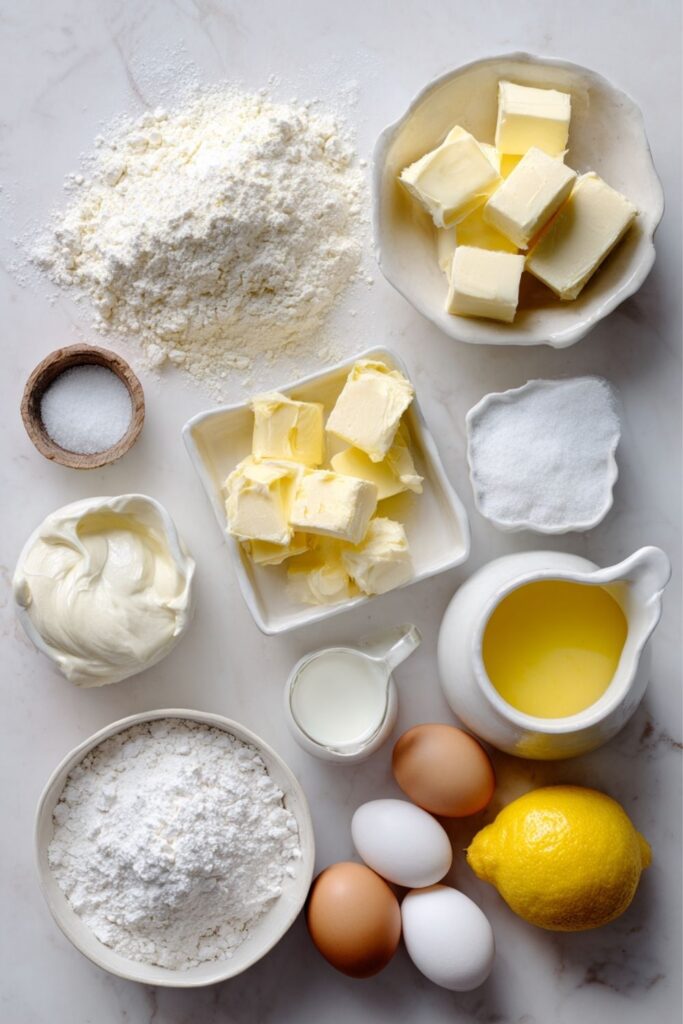
James Martin Lemon Tart Ingredients
For the Pastry
- 250 g plain flour
- 125 g unsalted butter, chilled and cubed
- 100 g icing sugar
- 2 large egg yolks
- 1 tbsp cold milk or water (if needed)
- 1 pinch salt
For the Filling
- 600 ml double cream (heavy cream)
- 250 g caster sugar
- 4 large lemons, zested and juiced
- 9 large eggs
How To Make James Martin Lemon Tart
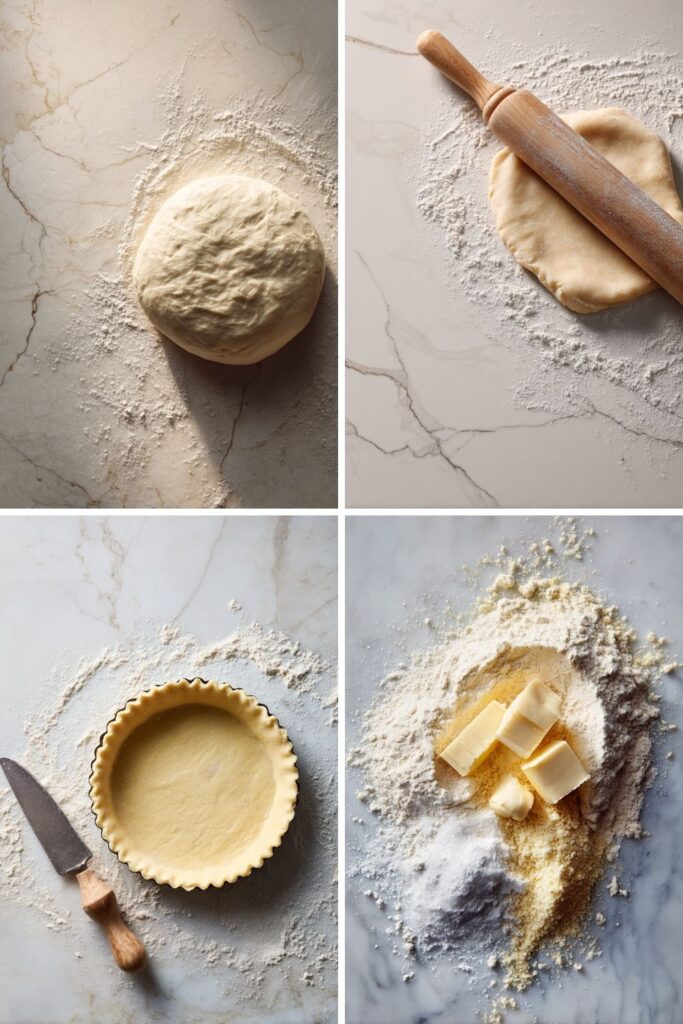
- Prepare the pastry: by placing the flour, icing sugar, and chilled butter into a food processor. Pulse briefly until the mixture resembles fine breadcrumbs, then add the egg yolks and pulse again until the dough just starts to come together.
- Chill the dough: by tipping it onto a lightly floured surface, bringing it together into a ball with your hands, flattening it into a disc, and wrapping it in cling film. Refrigerate for at least 30 minutes to rest the gluten.
- Line the tin: by rolling the pastry out to a 3mm thickness and carefully lifting it into a 23cm (9-inch) loose-bottomed tart tin. Press it firmly into the corners, leaving the excess pastry hanging over the edge, and chill again for 30 minutes.
- Blind bake the case: by preheating the oven to 180°C (350°F). Line the pastry with parchment paper and fill it with baking beans or uncooked rice. Bake for 15 minutes, remove the beans and paper, and bake for another 5 minutes until the base is pale golden and sandy to the touch.
- Trim the edges: while the pastry is still warm using a sharp serrated knife to cut off the excess overhang, creating a perfectly flush edge. Reduce the oven temperature to 130°C (265°F).
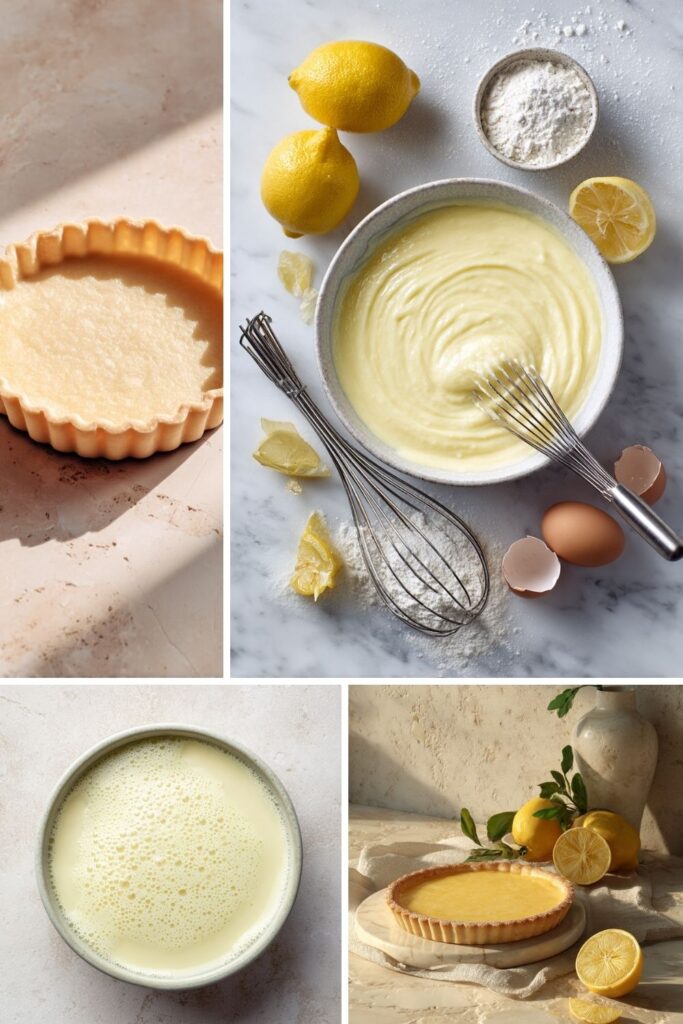
- Make the filling: by whisking the eggs and sugar together in a large bowl until combined. Pour in the double cream, lemon juice, and lemon zest, whisking gently to combine without creating too many air bubbles.
- Skim the mixture: by letting the filling sit for a few minutes, then using a ladle or spoon to skim off the foam and bubbles from the surface. This step is critical for a smooth appearance.
- Bake the tart: by placing the tart tin on a baking shelf and carefully pouring the filling into the case (pouring it while it’s in the oven prevents spills). Bake for 45 to 50 minutes until the filling is set around the edges but still has a slight wobble in the center like jelly.
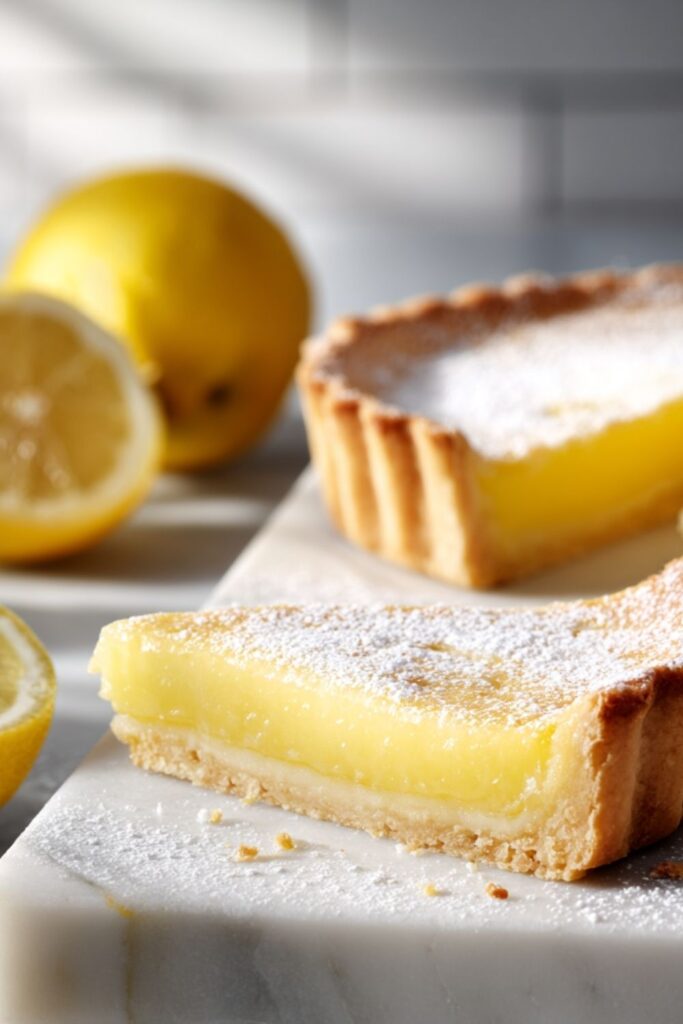
- Cool completely: by removing the tart from the oven and letting it set at room temperature. Dust with icing sugar just before serving.
Recipe Tips
- Don’t over-whisk: When mixing the filling, whisk gently. Vigorous whisking introduces air bubbles which rise to the surface during baking and ruin the smooth, glass-like top.
- Seal the pastry: If you are worried about leaks, brush the blind-baked pastry base with a little egg white and bake for 1 minute before adding the liquid filling. This creates a waterproof seal.
- The wobble test: Do not wait for the tart to become firm in the oven. It should wobble like jelly in the middle; the residual heat will finish setting it as it cools. If it’s firm in the oven, it will be rubbery when cool.
- Warm pastry: Pouring the liquid filling into a slightly warm pastry case helps the two elements bond and reduces the chance of a “soggy bottom.”
What To Serve With Lemon Tart Recipe?
This Lemon Tart is intense and creamy, so it pairs best with simple accompaniments that don’t fight the lemon flavor. A dollop of crème fraîche or unsweetened mascarpone helps mellow the sharpness of the citrus. Fresh berries, particularly raspberries or blueberries, add a burst of sweetness and a beautiful color contrast to the yellow slice. For a classic touch, simply dust the top with icing sugar and caramelize it slightly with a blowtorch for a brulée effect.
How To Store Leftovers Lemon Tart?
- Refrigerate immediately: Because of the high egg and cream content, this tart must be kept in the fridge.
- Cover loosely: Wrap the tart tin loosely with foil or place slices in an airtight container to prevent them from absorbing fridge odors.
- Best consumed fresh: Eat within 2 to 3 days. After this, the pastry will begin to soften and lose its crunch.
- Freezing: You can freeze the tart, but the texture of the custard may change slightly upon thawing. Freeze in slices separated by parchment paper for up to 1 month.
Avoid: Do not reheat.This Lemon Tart is traditionally served chilled or at room temperature. If you have stored it in the fridge, take it out 30 minutes before serving to allow the pastry to crisp up slightly and the flavors to open up, but do not place it in the oven or microwave.
FAQs
Cracking is usually a sign of overcooking or baking at too high a temperature. The eggs in the custard contract when they get too hot, causing the filling to split. Ensure your oven is low (around 130°C) and remove the tart while it still has a wobble.
A soggy bottom happens if the pastry wasn’t cooked enough during the blind baking stage or if the filling leaked into cracks. Ensure the pastry is golden and sandy before adding the wet ingredients. You can also brush the base with egg yolk to seal it.
No, double cream (heavy cream) is essential for the setting of this tart. Milk is too thin and lacks the fat content required to give the custard its rich, sliceable consistency. Using milk will result in a runny, watery filling.
Try more Recipes:
Lemon Tart Nutrition Facts
- Calories: 480 kcal
- Total Fat: 35g
- Saturated Fat: 20g
- Cholesterol: 210mg
- Sodium: 150mg
- Total Carbohydrate: 38g
- Dietary Fiber: 1g
- Sugars: 25g
- Protein: 6g
James Martin Lemon Tart
Course: Dessert, Breakfast, SnacksCuisine: British, FrenchDifficulty: Easy8
servings30
minutes50
minutes480
kcalJames Martin Lemon Tart is a sophisticated citrus dessert. It features a crisp, homemade sweet pastry shell filled with a smooth, zesty lemon custard. Baked gently to perfection, it offers a creamy texture with a sharp kick. It is the ultimate finale for a special dinner party.
Ingredients
- For the Pastry
250 g plain flour
125 g unsalted butter, chilled and cubed
100 g icing sugar
2 large egg yolks
1 tbsp cold milk or water (if needed)
1 pinch salt
- For the Filling
600 ml double cream (heavy cream)
250 g caster sugar
4 large lemons, zested and juiced
9 large eggs
Directions
- Prepare the pastry: by placing the flour, icing sugar, and chilled butter into a food processor. Pulse briefly until the mixture resembles fine breadcrumbs, then add the egg yolks and pulse again until the dough just starts to come together.
- Chill the dough: by tipping it onto a lightly floured surface, bringing it together into a ball with your hands, flattening it into a disc, and wrapping it in cling film. Refrigerate for at least 30 minutes to rest the gluten.
- Line the tin: by rolling the pastry out to a 3mm thickness and carefully lifting it into a 23cm (9-inch) loose-bottomed tart tin. Press it firmly into the corners, leaving the excess pastry hanging over the edge, and chill again for 30 minutes.
- Blind bake the case: by preheating the oven to 180°C (350°F). Line the pastry with parchment paper and fill it with baking beans or uncooked rice. Bake for 15 minutes, remove the beans and paper, and bake for another 5 minutes until the base is pale golden and sandy to the touch.
- Trim the edges: while the pastry is still warm using a sharp serrated knife to cut off the excess overhang, creating a perfectly flush edge. Reduce the oven temperature to 130°C (265°F).
- Make the filling: by whisking the eggs and sugar together in a large bowl until combined. Pour in the double cream, lemon juice, and lemon zest, whisking gently to combine without creating too many air bubbles.
- Skim the mixture: by letting the filling sit for a few minutes, then using a ladle or spoon to skim off the foam and bubbles from the surface. This step is critical for a smooth appearance.
- Bake the tart: by placing the tart tin on a baking shelf and carefully pouring the filling into the case (pouring it while it’s in the oven prevents spills). Bake for 45 to 50 minutes until the filling is set around the edges but still has a slight wobble in the center like jelly.
- Cool completely: by removing the tart from the oven and letting it set at room temperature. Dust with icing sugar just before serving.
Notes
- Don’t over-whisk: When mixing the filling, whisk gently. Vigorous whisking introduces air bubbles which rise to the surface during baking and ruin the smooth, glass-like top.
Seal the pastry: If you are worried about leaks, brush the blind-baked pastry base with a little egg white and bake for 1 minute before adding the liquid filling. This creates a waterproof seal.
The wobble test: Do not wait for the tart to become firm in the oven. It should wobble like jelly in the middle; the residual heat will finish setting it as it cools. If it’s firm in the oven, it will be rubbery when cool.
Warm pastry: Pouring the liquid filling into a slightly warm pastry case helps the two elements bond and reduces the chance of a “soggy bottom.”