James Martin mashed potato is made with baked potatoes, plenty of butter, and double cream, ready in just over an hour. The secret lies in baking rather than boiling the spuds, creating a dry, fluffy flesh that absorbs the rich dairy without becoming gluey. I use a ricer to guarantee a lump-free finish every single time.
Try More Recipes:
Restaurant-Quality At Home
- I used to think the secret to great mash was just adding more butter, but my attempts often ended up watery or heavy. The real game-changer in this version is the method: baking the potatoes in their skins instead of boiling them in water. By keeping the potatoes dry, you get a fluffy texture that drinks up the cream and butter instantly.
- Using a ricer was another revelation for me; it separates the potato starch gently without overworking it. If you have ever suffered from gluey, wallpaper-paste mash, it is likely because you used a hand masher or a food processor. This technique solves that problem completely, giving you that impossible smoothness you usually only get in high-end steakhouses.
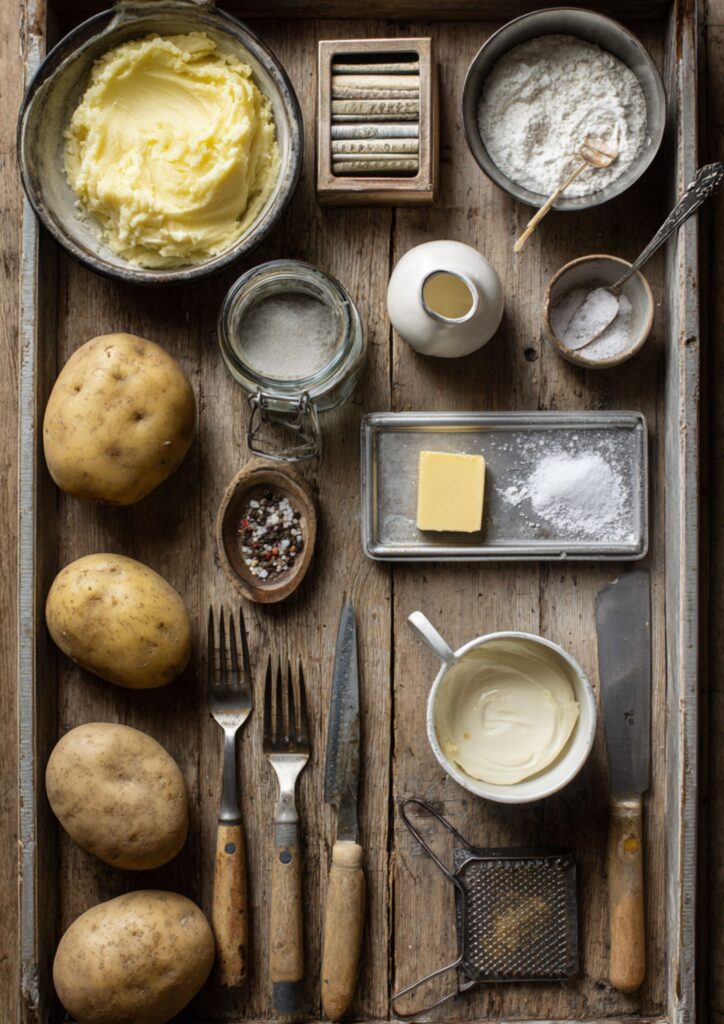
James Martin Mashed Potato Ingredients
- 1kg Baking Potatoes
- 125g Salted Butter
- 100ml Double Cream: This adds the signature luxury finish.
- Sea Salt: To taste.
- White Pepper
How To Make James Martin Mashed Potato
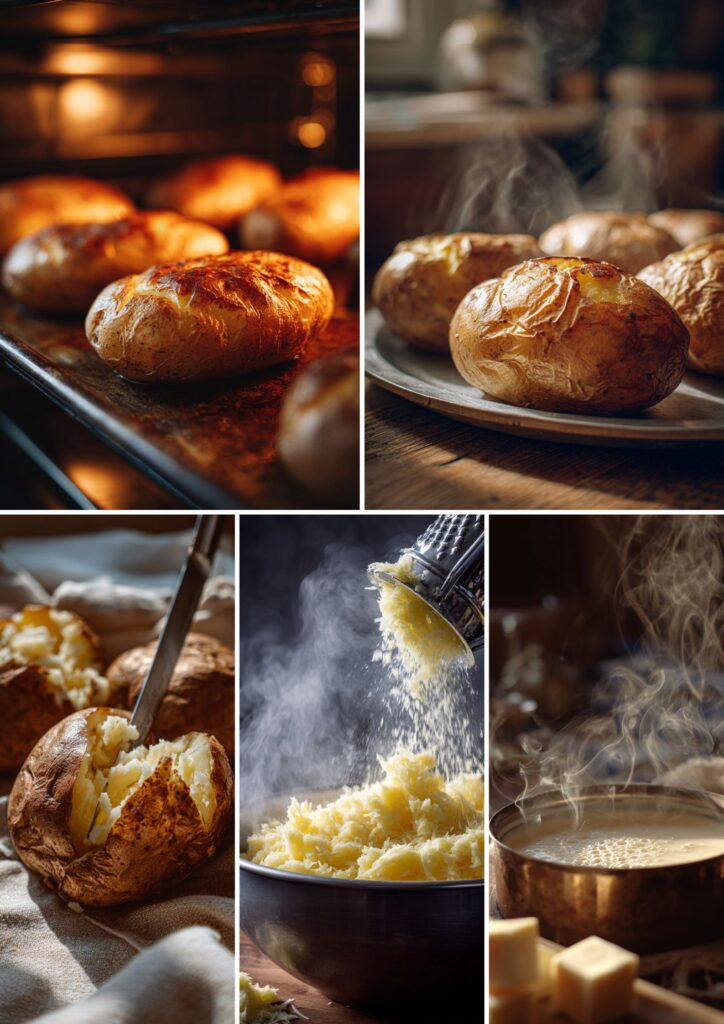
- Bake the Potatoes: Preheat your oven to 200°C (180°C Fan). Prick the potatoes all over with a fork and place them directly on the oven shelf or a baking tray. Bake for about 1 hour until the skins are crisp and the insides are completely tender.
- Scoop and Rice: Cut the hot potatoes in half (hold them with a tea towel to protect your hands). Scoop the flesh out into a potato ricer and press it into a large bowl. discard the skins. Do this while the potatoes are still hot for the fluffiest result.
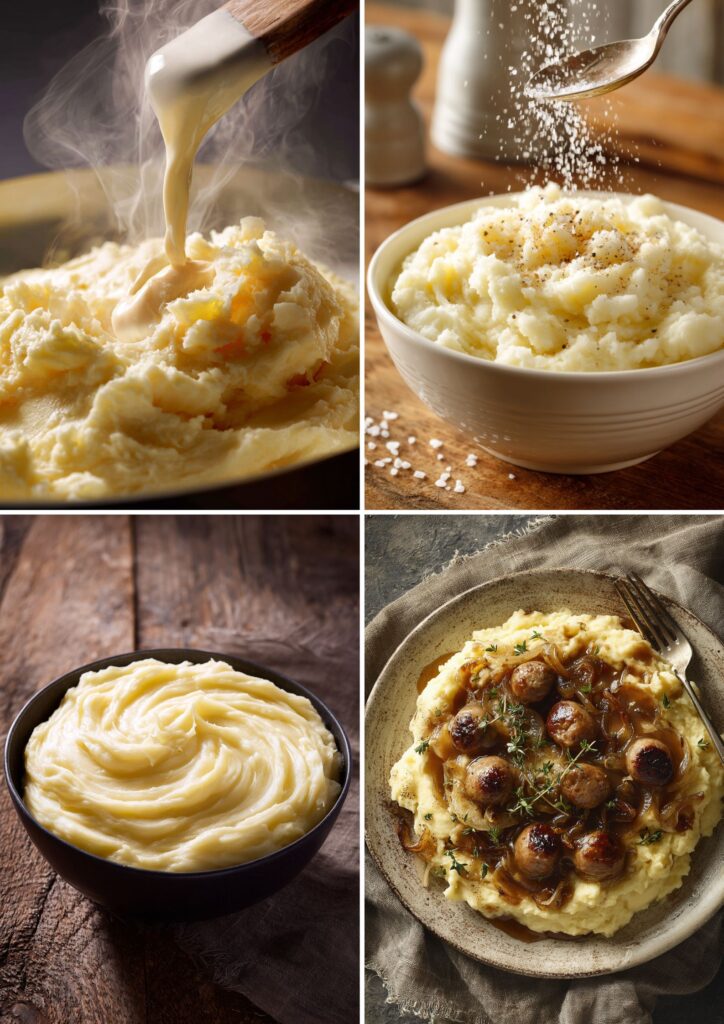
- Enrich the Mash: Place the bowl of riced potato over a pan of simmering water (bain-marie style) to keep it warm. Fold in the butter and double cream gently using a spatula. Season generously with salt and a pinch of white pepper. Taste and adjust the butter content if you want it even richer.
Recipe Tips
- Use a Ricer: This is non-negotiable for this recipe. A hand masher leaves lumps, and a blender turns potato into glue. A ricer or food mill creates aerated, fluffy strands.
- Warm the Dairy: If you add fridge-cold cream to hot potatoes, it can seize or cool the mash down too quickly. Warm the cream slightly in a small saucepan or microwave before adding it.
- Don’t Overwork It: When mixing in the butter and cream, fold it in gently. Vigorously beating the potatoes releases too much starch and makes the texture gummy rather than fluffy.
- Dry is Better: If you must boil the potatoes, drain them and then return them to the hot pan for a minute to steam dry. Any excess water is the enemy of good mash.
What To Serve With Mashed Potato?
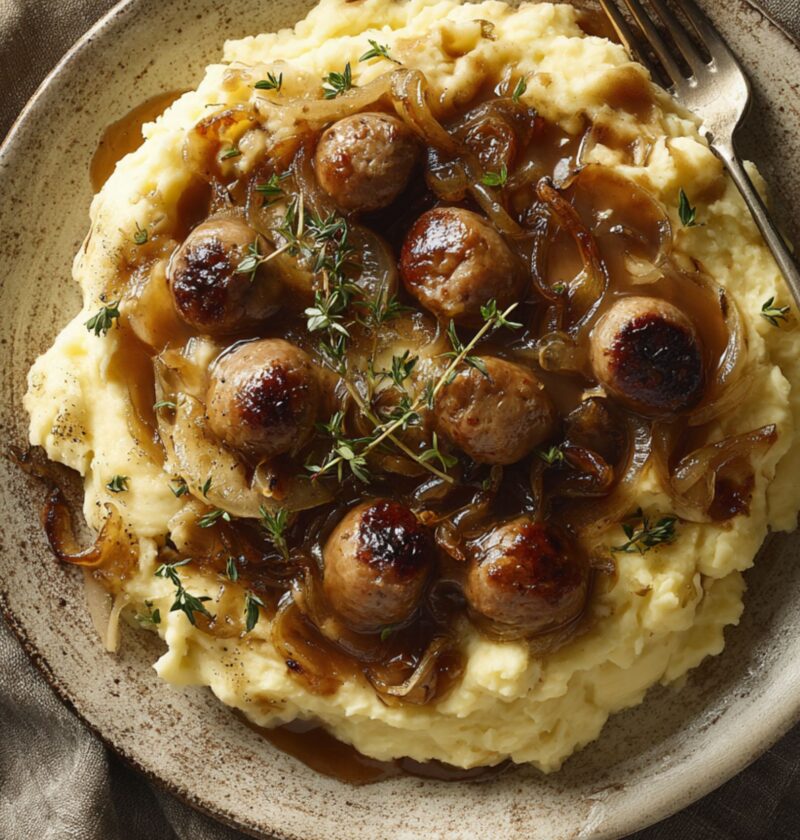
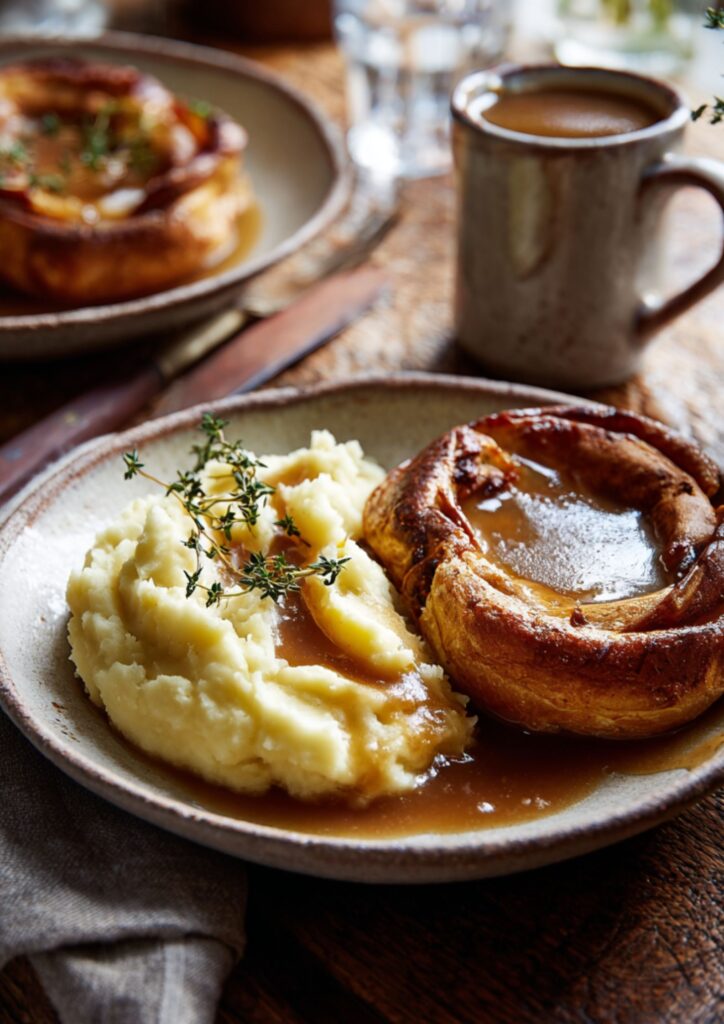
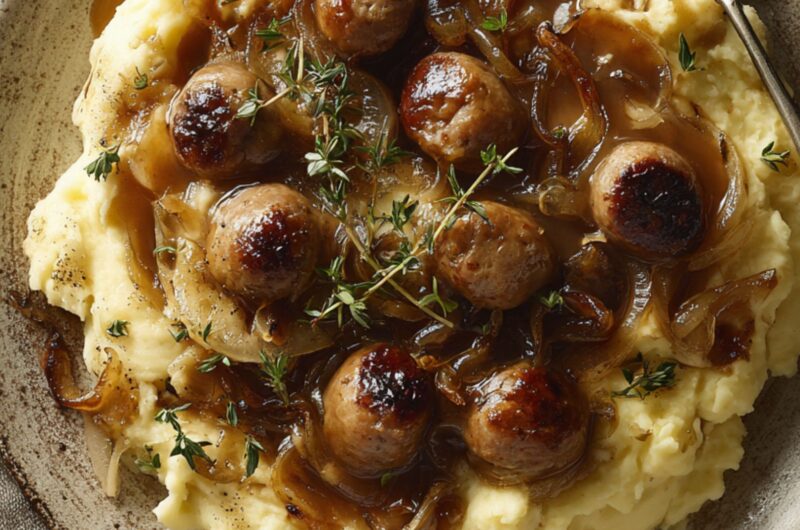
This rich Mashed Potato is the perfect foundation for a classic toad in the hole or high-quality pork sausages with onion gravy. It also stands up beautifully alongside a beef bourguignon, where the creamy texture helps balance the rich wine sauce. For a lighter option, serve it with grilled white fish and a parsley sauce.
How To Store Leftovers Mashed Potato?
- Refrigerate: Place the completely cooled mashed potatoes in an airtight container and store them in the fridge for up to 3 to 4 days.
- Freeze: Scoop individual portions onto a baking sheet, freeze until solid, and then transfer them to a heavy-duty freezer bag for up to 2 months. Thaw overnight in the fridge before reheating, keeping in mind that potatoes with more butter and cream freeze and thaw much better!
How To Reheat Leftovers Mashed Potato?
- Stovetop (Best Texture): Place the potatoes in a saucepan over low heat. Add a splash of milk or a pat of butter, stirring occasionally for 5 to 10 minutes until warmed through and creamy.
- Oven (Best for Large Batches): Place the potatoes in a baking dish, stir in some extra cream or butter, and cover tightly with aluminum foil to trap the steam. Bake at 350°F (175°C) for 20 to 30 minutes until piping hot.
- Microwave (Quickest): Warm individual portions in a microwave-safe bowl covered loosely with a damp paper towel. Heat on medium power in 1-minute bursts, stirring well after each interval and adding a little milk if they seem dry.
FAQs
Gluey mash happens when potatoes are overworked, usually by a food processor or aggressive mashing. This releases excessive starch. Using a ricer prevents this problem.
Technically yes, but the flavour will suffer significantly. This recipe relies on the rich taste of real dairy butter, so I recommend sticking to the real thing.
You can push the cooked potato flesh through a fine-mesh sieve using the back of a spoon. It takes a bit more effort, but it achieves a very similar smooth result.
Try More Recipes:
- James Martin Yorkshire Pudding Recipe For 4 Persons
- James Martin Christmas Carrots And Parsnips
- James Martin Coleslaw Recipe
Mashed Potato Nutrition Facts
- Calories: 530 kcal
- Total Fat: 35g
- Saturated Fat: 22g
- Cholesterol: 95mg
- Sodium: 300mg
- Total Carbohydrate: 45g
- Protein: 5g
James Martin Mashed Potato
Course: SidesCuisine: BritishDifficulty: Easy4
servings10
minutes1
hour45
minutes530
kcal1
hour55
minutesJames Martin Mashed Potato velvet smooth Marabel potatoes double cream 1 hour perfect side dish. This luxury recipe uses baked potatoes and a ricer for the ultimate restaurant-quality texture without any lumps.
Ingredients
1kg Baking Potatoes (King Edward or Marabel)
125g Salted Butter
100ml Double Cream
Sea Salt
White Pepper
Directions
- Preheat the oven to 200°C (180°C Fan). Prick the potatoes and bake for 1 hour until soft inside.
- Cut the hot potatoes in half and scoop the flesh into a ricer.
- Rice the potatoes into a bowl. Discard the skins.
- Place the bowl over a pan of simmering water to keep warm.
- Gently fold in the butter and double cream until smooth.
- Season with salt and white pepper to taste. Serve immediately.
Notes
- Use a Ricer: This is non-negotiable for this recipe. A hand masher leaves lumps, and a blender turns potato into glue. A ricer or food mill creates aerated, fluffy strands.
Warm the Dairy: If you add fridge-cold cream to hot potatoes, it can seize or cool the mash down too quickly. Warm the cream slightly in a small saucepan or microwave before adding it.
Don’t Overwork It: When mixing in the butter and cream, fold it in gently. Vigorously beating the potatoes releases too much starch and makes the texture gummy rather than fluffy.
Dry is Better: If you must boil the potatoes, drain them and then return them to the hot pan for a minute to steam dry. Any excess water is the enemy of good mash.