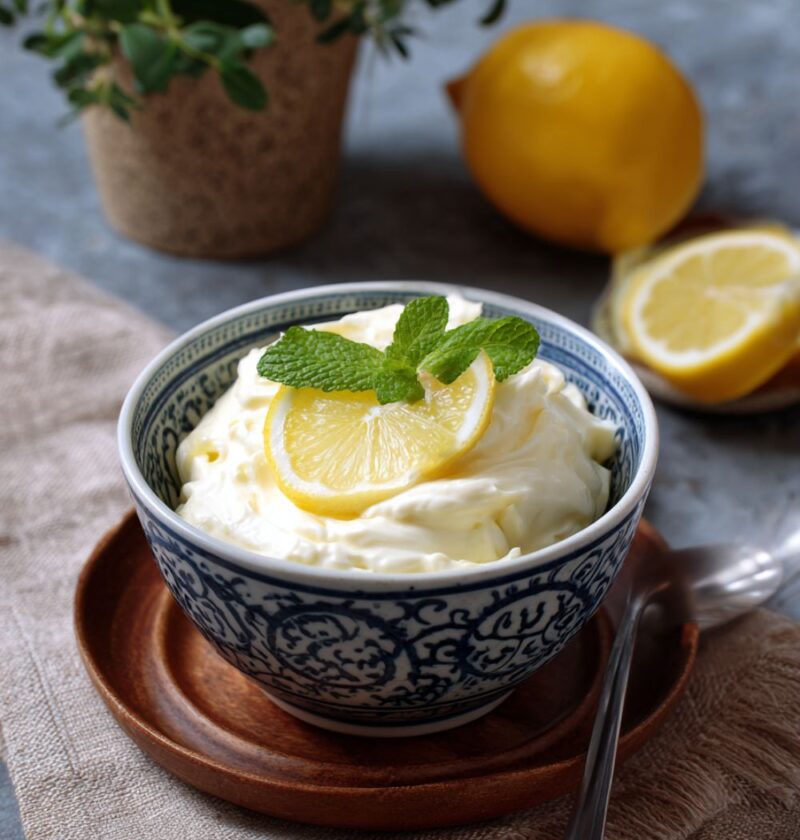
James Martin Mayonnaise recipe is a revelation for anyone who has only ever tasted the jarred variety. While store-bought mayonnaise is often white, gelatinous, and overly acidic, this homemade version is a rich, glossy, pale yellow emulsion that feels like silk on the palate. James Martin advocates for making this by hand (or with a mixer) to control the texture and flavor completely. It relies on the classic French foundation of egg yolks and Dijon mustard, creating a luxurious condiment that transforms a simple sandwich or bowl of fries into a gourmet experience.
Try more Recipes:
Why You Will Love This Mayonnaise Recipe:
- Superior Texture: Homemade mayonnaise has a luxurious, velvety mouthfeel that commercial stabilizers and gums simply cannot replicate.
- Flavor Control: You control the acidity and the salt. You can make it as sharp or as mellow as you like by adjusting the lemon juice and vinegar.
- No Nasties: It contains exactly five or six ingredients—no preservatives, no high-fructose corn syrup, and no artificial whiteners.
- The “Real” Color: The golden hue from the egg yolks makes it look appetizing and rich, unlike the stark white of industrial mayo.
- Versatile Base: Once mastered, this recipe becomes the base for Aioli (garlic), Tartare Sauce (capers/gherkins), or Remoulade.
James Martin Mayonnaise Ingredients
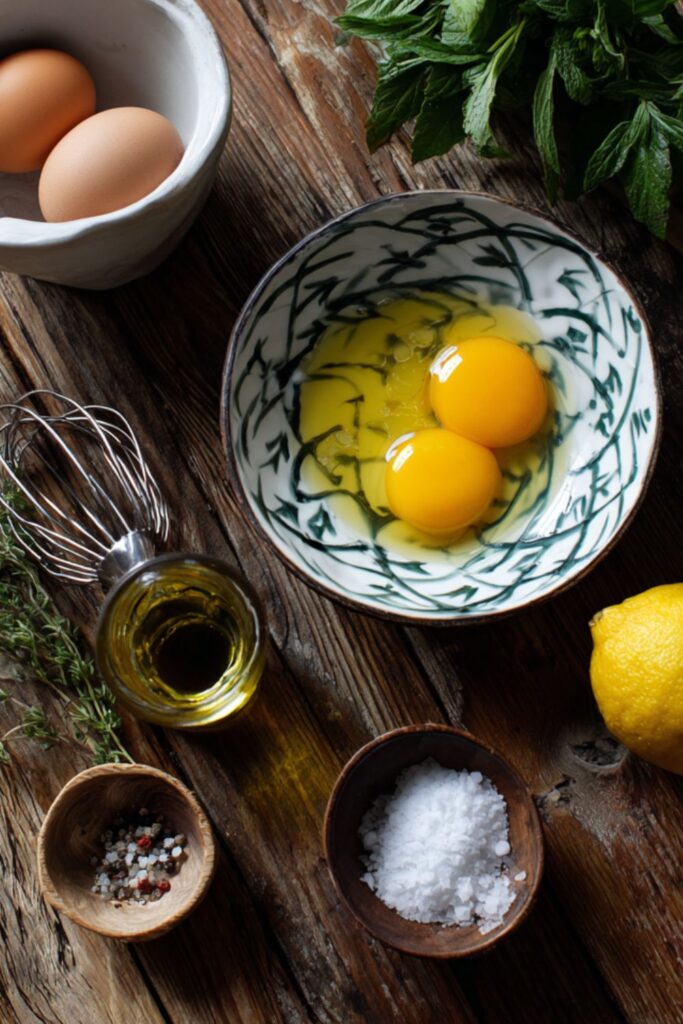
- 2 large egg yolks (at room temperature)
- 1 heaped tsp Dijon mustard
- 1 tsp white wine vinegar
- 300ml (1 ¼ cups) groundnut oil or vegetable oil (neutral flavored oil)
- 25ml (1-2 tbsp) extra virgin olive oil (optional, for flavor)
- Squeeze of fresh lemon juice
- Salt and freshly ground white pepper (white pepper keeps the sauce looking clean)
- 1 tsp warm water (optional, to stabilize)
How To Make James Martin Mayonnaise
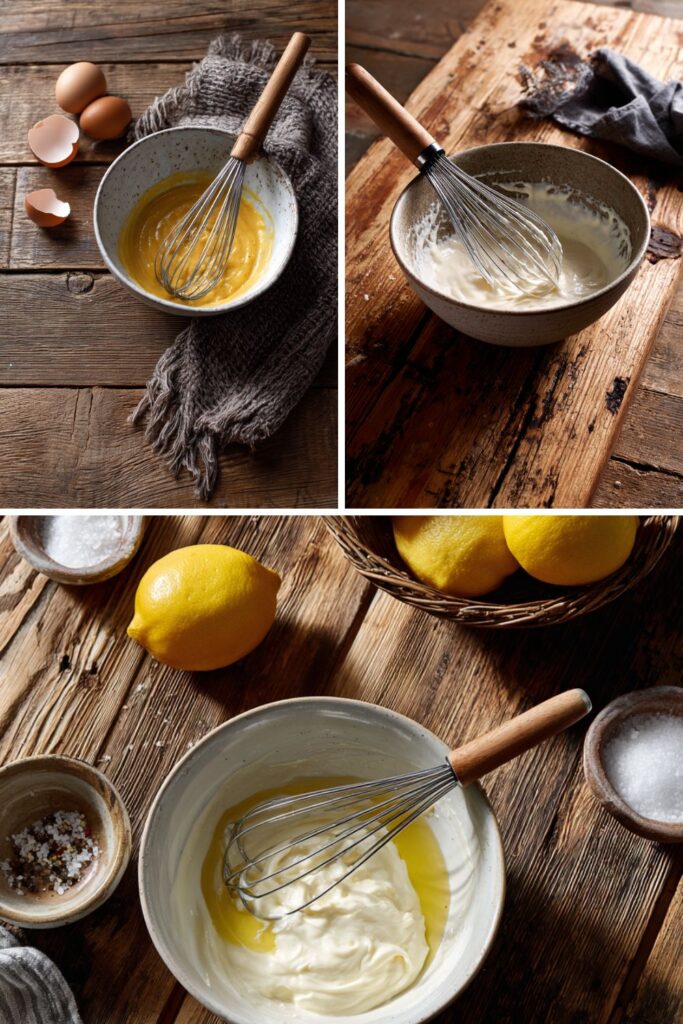
- Prepare Your Station: Place a damp tea towel folded into a ring shape on your countertop. Place your mixing bowl on top of it. This secures the bowl and prevents it from spinning, leaving both your hands free for whisking and pouring.
- The Base: Place the egg yolks, Dijon mustard, and white wine vinegar into the bowl. Whisk them together vigorously for 30 seconds until slightly thickened and well combined.
- The Drop-by-Drop Stage (Crucial): While whisking constantly, begin adding the neutral oil (groundnut or vegetable) literally drop by drop. Do not rush this stage. As the drops hit the yolks, whisk furiously to emulsify them.
- The Stream Stage: Once you have incorporated about a quarter of the oil and the mixture has started to thicken and look like a creamy emulsion, you can increase the flow of oil to a thin, steady stream. Keep whisking the entire time.
- Check Consistency: If the mayonnaise becomes too thick (like a stiff jelly), whisk in 1 teaspoon of warm water. This relaxes the proteins and makes the sauce glossy and smooth again.
- Add Olive Oil (Optional): If you want a deeper flavor, whisk in the small amount of olive oil at the very end. (Do not use only olive oil for the whole recipe, or the mayonnaise will taste bitter).
- Season: Finish by whisking in a squeeze of fresh lemon juice, salt, and a pinch of white pepper. Taste and adjust—it should be creamy with a subtle tang.
Recipe Tips
- Room Temperature Ingredients: This is the most important rule. If your eggs are cold from the fridge and the oil is room temperature, the mayonnaise will split (curdle). Take the eggs out an hour before you start.
- Neutral Oil is Key: James Martin recommends groundnut (peanut) oil or grapeseed oil. If you use a strong extra virgin olive oil for the whole amount, the vigorous whisking releases bitter compounds called polyphenols, making the mayo inedible.
- Fixing a Split: If your mayonnaise curdles (looks like scrambled eggs in oil), don’t panic. Put a fresh egg yolk in a clean bowl with a teaspoon of mustard. Slowly whisk the split mixture into the new yolk just like you did with the oil. It will come back together.
- Electric vs. Hand: You can use an electric hand mixer or a food processor to save your arm muscles, but be careful not to over-process, which can also cause splitting.
What To Serve With Mayonnaise Recipe?
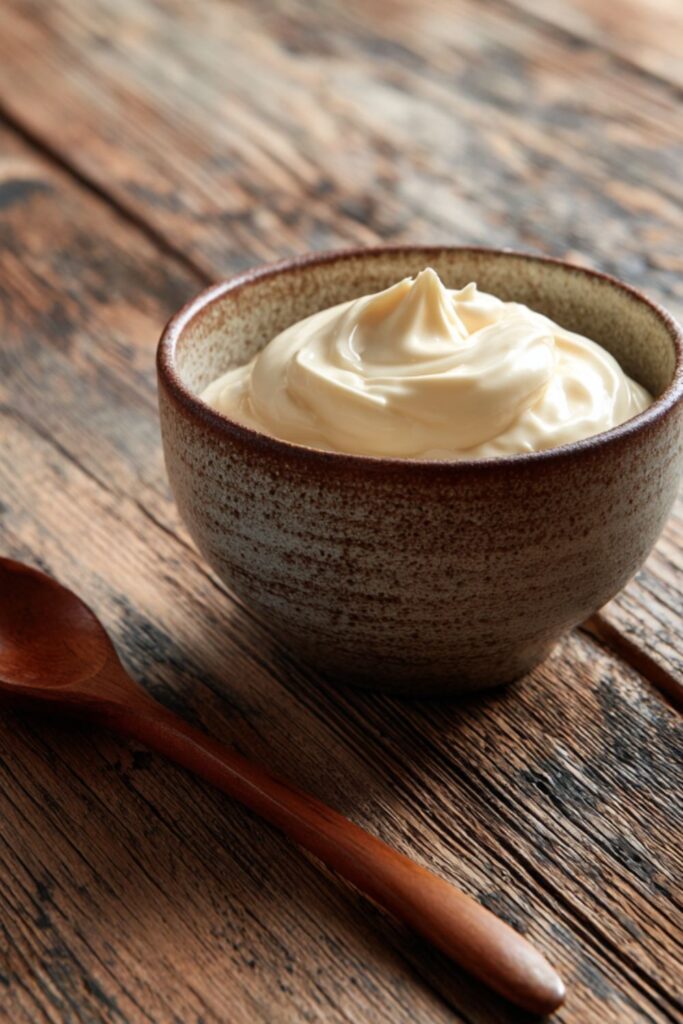
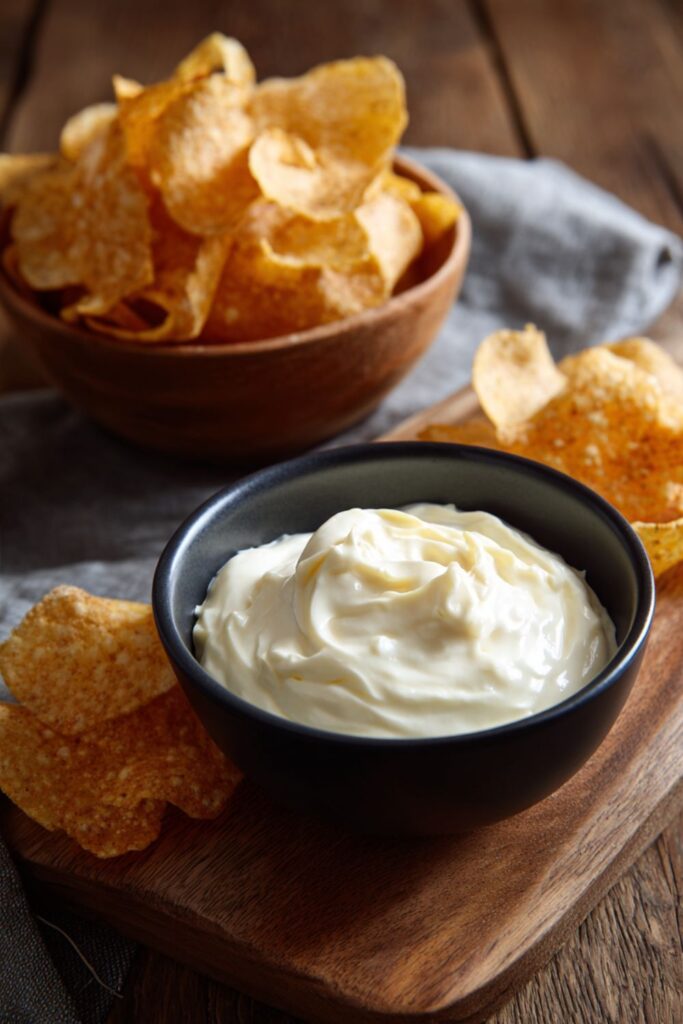
This is the ultimate condiment serve it alongside steak and chips (fries), spread it onto a BLT sandwich, or use it as a base to mix with tuna or hard-boiled eggs for a filling. It is also essential for a classic Prawn Cocktail.
How To Store Leftovers Mayonnaise?
- Refrigerate: Transfer the mayonnaise to a sterilized jar or airtight container. Because it contains raw egg yolks and no preservatives, it has a shorter shelf life than store-bought. It should be kept in the coldest part of the fridge and consumed within 3 to 4 days.
- Do Not Freeze: Mayonnaise is an emulsion. If you freeze it, the oil will separate from the eggs upon thawing, and the texture will be ruined.
How To Reheat Leftovers Mayonnaise (Not Recommended)?
Important Rule (The “Oily Mess” Warning): Do not microwave or boil pure mayonnaise. If you apply direct heat to mayonnaise, the emulsion will break immediately. The chemical bond between the egg and oil snaps, leaving you with a bowl of hot, separated oil floating on top of curdled egg bits. It cannot be fixed once cooked!
- Room Temperature (Best Method): If the mayonnaise is too cold or stiff from the fridge, simply take the jar out and let it sit on the counter for 10 to 15 minutes before serving. This allows the oils to relax and the full flavor to develop.
- As an Ingredient: You can cook mayonnaise if it is mixed into dishes (like a hot crab dip or brushed onto chicken as a marinade). In these cases, the other ingredients help stabilize it during baking.
FAQs
For most healthy adults, raw eggs produced to high safety standards (like British Lion or pasteurized eggs) are safe. However, pregnant women, the elderly, and those with compromised immune systems should avoid raw egg products or use pasteurized liquid egg yolks.
Yes, you can use a whole egg if using a stick blender (immersion blender) method in a tall jar. However, for the classic whisked bowl method, yolks alone provide a richer, creamier consistency.
If the oil wasn’t whisked in thoroughly enough, or was added too fast, it sits on the surface. You can try whisking in a teaspoon of hot water to help it emulsify.
Try more Recipes:
Mayonnaise Nutrition Facts
Serving Size: 1 tablespoon
- Calories: 100 kcal
- Total Fat: 11g
- Saturated Fat: 1.5g
- Cholesterol: 10mg
- Sodium: 60mg
- Total Carbohydrate: 0g
- Dietary Fiber: 0g
- Sugars: 0g
- Protein: 0g
James Martin Mayonnaise
Course: Condiment, SidesCuisine: French, BritishDifficulty: Easy330
ml Approx10
minutes100
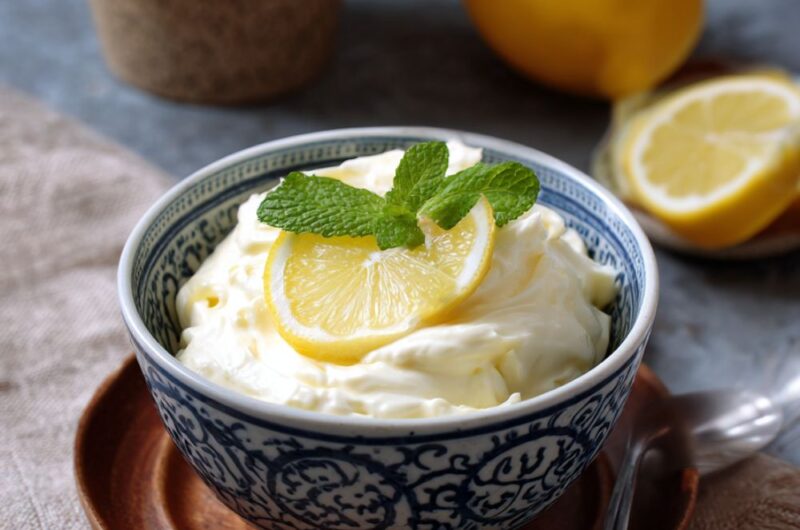
kcalJames Martin’s Homemade Mayonnaise is a revelation for anyone who has only ever known the jarred variety. By using room-temperature egg yolks, a touch of Dijon mustard, and a slow drizzle of oil, this recipe creates a rich, glossy, and pale gold emulsion that feels like silk on the palate. Unlike store-bought versions that are often gelatinous and overly acidic, this handmade sauce offers a mellow, creamy flavor that you can season to perfection. It is the ultimate kitchen staple that elevates everything from simple fries to fresh seafood.
Ingredients
2 large egg yolks (at room temperature)
1 heaped tsp Dijon mustard
1 tsp white wine vinegar
300ml (1 ¼ cups) groundnut oil or vegetable oil (neutral flavored oil)
25ml (1-2 tbsp) extra virgin olive oil (optional, for flavor)
Squeeze of fresh lemon juice
Salt and freshly ground white pepper (white pepper keeps the sauce looking clean)
1 tsp warm water (optional, to stabilize)
Directions
- Prepare Your Station: Place a damp tea towel folded into a ring shape on your countertop. Place your mixing bowl on top of it. This secures the bowl and prevents it from spinning, leaving both your hands free for whisking and pouring.
- The Base: Place the egg yolks, Dijon mustard, and white wine vinegar into the bowl. Whisk them together vigorously for 30 seconds until slightly thickened and well combined.
- The Drop-by-Drop Stage (Crucial): While whisking constantly, begin adding the neutral oil (groundnut or vegetable) literally drop by drop. Do not rush this stage. As the drops hit the yolks, whisk furiously to emulsify them.
- The Stream Stage: Once you have incorporated about a quarter of the oil and the mixture has started to thicken and look like a creamy emulsion, you can increase the flow of oil to a thin, steady stream. Keep whisking the entire time.
- Check Consistency: If the mayonnaise becomes too thick (like a stiff jelly), whisk in 1 teaspoon of warm water. This relaxes the proteins and makes the sauce glossy and smooth again.
- Add Olive Oil (Optional): If you want a deeper flavor, whisk in the small amount of olive oil at the very end. (Do not use only olive oil for the whole recipe, or the mayonnaise will taste bitter).
- Season: Finish by whisking in a squeeze of fresh lemon juice, salt, and a pinch of white pepper. Taste and adjust—it should be creamy with a subtle tang.
Notes
- Room Temperature Ingredients: This is the most important rule. If your eggs are cold from the fridge and the oil is room temperature, the mayonnaise will split (curdle). Take the eggs out an hour before you start.
Neutral Oil is Key: James Martin recommends groundnut (peanut) oil or grapeseed oil. If you use a strong extra virgin olive oil for the whole amount, the vigorous whisking releases bitter compounds called polyphenols, making the mayo inedible.
Fixing a Split: If your mayonnaise curdles (looks like scrambled eggs in oil), don’t panic. Put a fresh egg yolk in a clean bowl with a teaspoon of mustard. Slowly whisk the split mixture into the new yolk just like you did with the oil. It will come back together.
Electric vs. Hand: You can use an electric hand mixer or a food processor to save your arm muscles, but be careful not to over-process, which can also cause splitting.