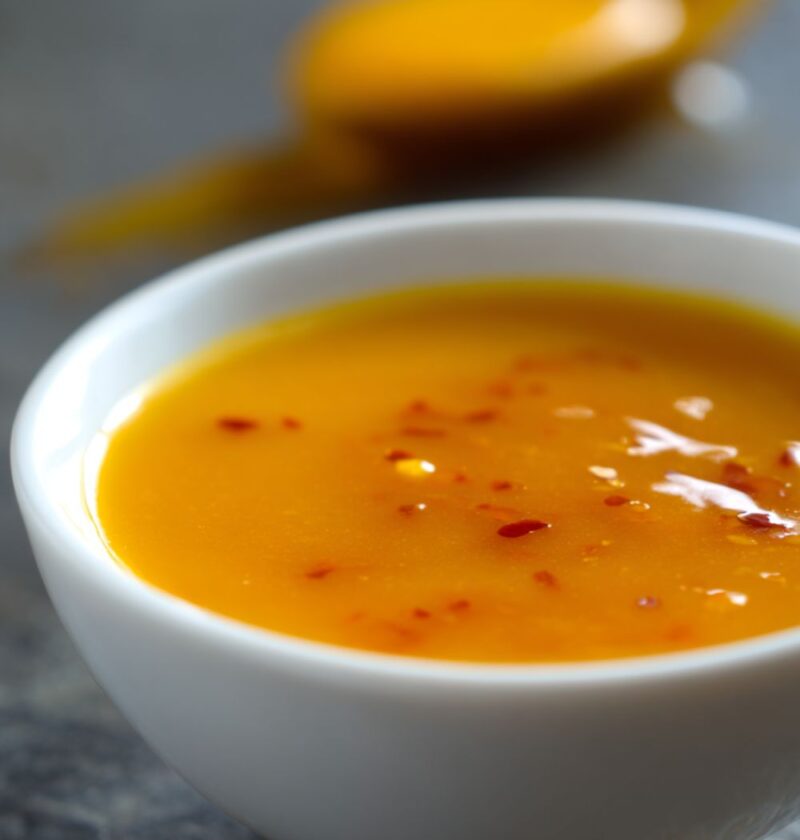
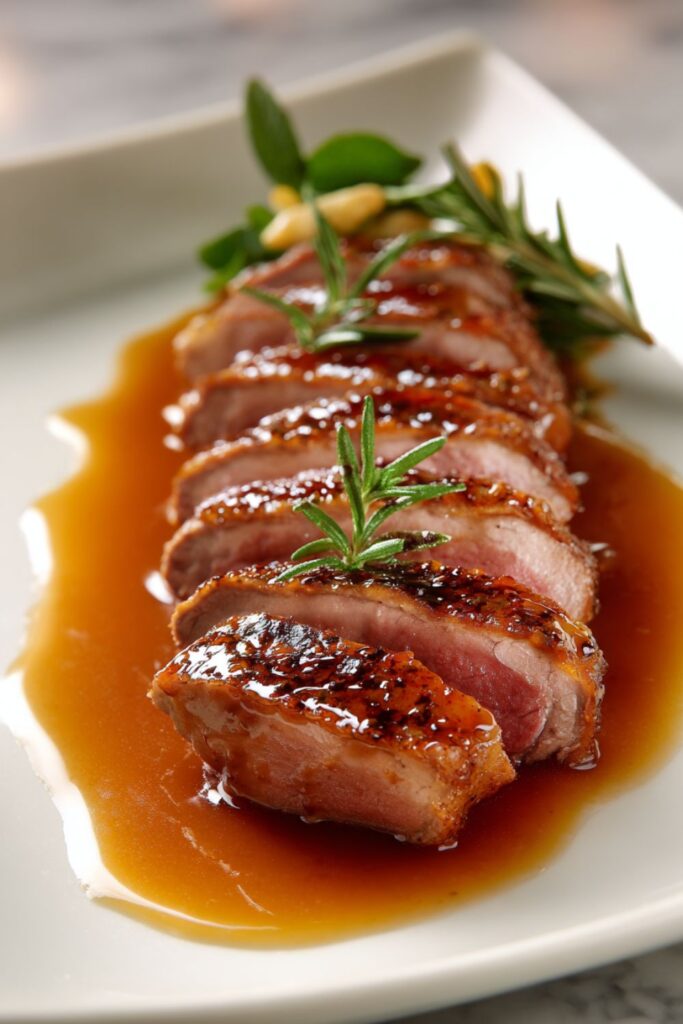
James Martin Orange Sauce (often referred to in French cuisine as Sauce Bigarade) is the ultimate accompaniment to elevate a simple roast duck breast or leg confit into a restaurant-quality dining experience. It is made with a rich foundation of savory beef or duck stock and a tangy “gastrique”—a caramelized blend of sugar and vinegar—which is then brightened with plenty of fresh orange juice, zest, and a splash of orange liqueur. The result is a glossy, velvety sauce that perfectly balances sweet, sour, and savory notes, designed specifically to cut through the natural fattiness of the duck meat.
Try More Recipes:
Why You Will Love This Orange Sauce Recipe:
- Perfect Balance: It masters the sweet-and-sour profile. The sharpness of the vinegar and citrus cuts through the rich duck fat, cleansing the palate with every bite.
- Glossy Finish: The technique of “mounting” the sauce with cold butter at the end gives it a mirror-like shine and a luxurious, velvety mouthfeel.
- Versatile Base: While designed for duck, this sauce works incredibly well with other rich meats like pork belly, venison, or even a holiday glazed ham.
- Make-Ahead Friendly: You can prepare the base of the sauce in advance and simply finish it with the fresh zest and butter just before serving, taking the stress out of plating up.
James Martin Orange Sauce Ingredients
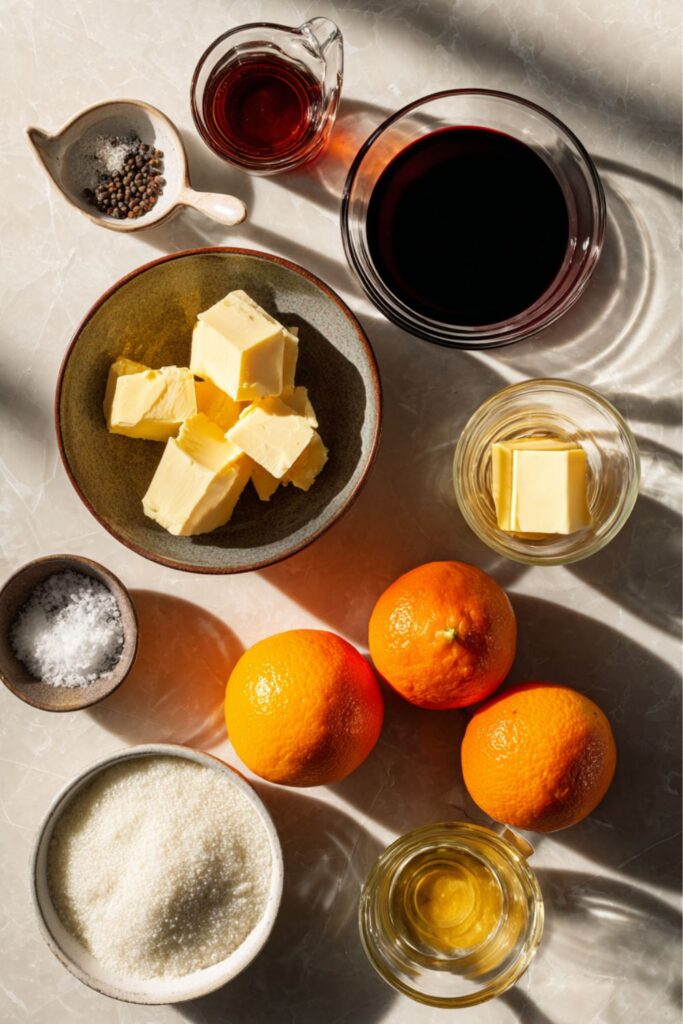
- 2 large oranges (zest of 1, juice of 2)
- 100 g caster sugar
- 50 ml red wine vinegar (or sherry vinegar)
- 400 ml high-quality beef stock or duck stock (homemade or good quality pouch)
- 2 tbsp Grand Marnier or Cointreau (orange liqueur, optional)
- 50 g cold unsalted butter, cubed
- 1 tsp cornflour mixed with 1 tsp water (optional, for thickness)
- Salt and black pepper to taste
How To Make James Martin Orange Sauce
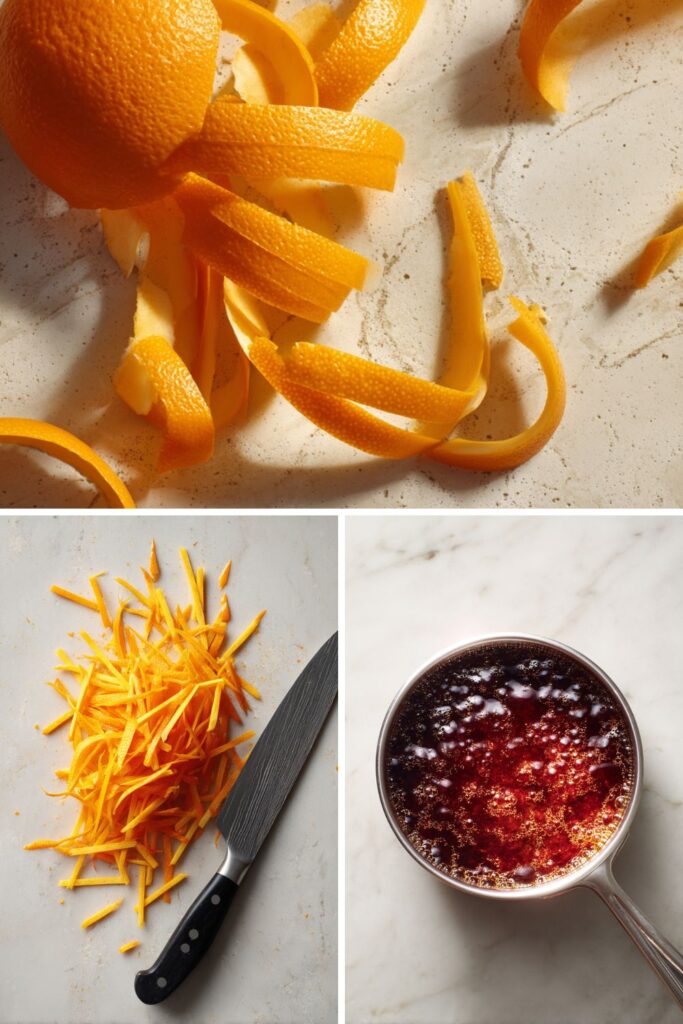
- Prepare the zest: by using a vegetable peeler to remove the orange skin in strips (avoiding the white pith). Slice these strips into very fine julienne (thin matchsticks).
- Blanch the zest: by placing the julienne strips in a small saucepan of boiling water for 1 minute. Drain and rinse under cold water. This crucial step removes the bitterness from the oils. Set aside.
- Create the gastrique: by placing the caster sugar and red wine vinegar in a saucepan over medium heat. Let it bubble without stirring until it turns into a dark, golden caramel syrup. Watch it closely so it doesn’t burn.
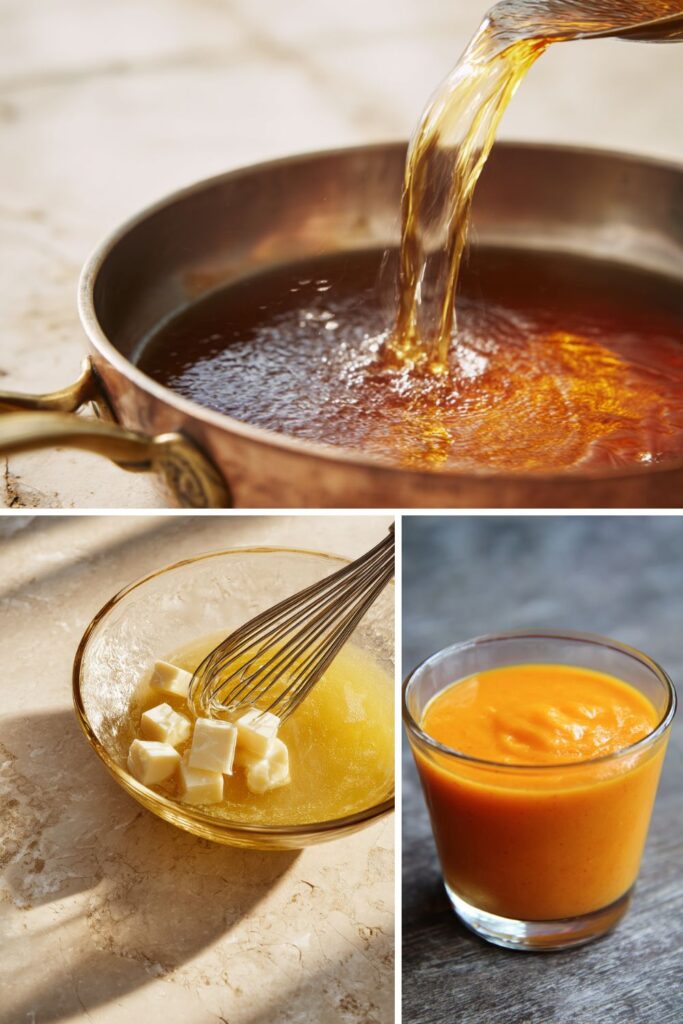
- Deglaze the pan: by pouring in the fresh orange juice. Be careful, as the hot caramel will splutter and seize up initially. Stir gently over the heat until the hardened caramel dissolves completely into the juice.
- Build the body: by pouring in the beef or duck stock and the splash of Grand Marnier. Bring the mixture to a boil.
- Reduce the liquid: by lowering the heat to a simmer and letting it cook for 10 to 15 minutes. You want the volume to reduce by about half, intensifying the flavor.
- Thicken (Optional): if the sauce looks too thin. Stir in the cornflour slurry a little at a time, simmering for 2 minutes until it reaches your desired coating consistency.
- Add the zest: by stirring the blanched orange strips into the sauce.
- Mount the sauce: (Montez au Beurre) by removing the pan from the heat. Whisk in the cold cubes of butter one by one. This emulsifies the sauce, giving it a rich texture and a glossy shine. Do not boil the sauce again after adding the butter, or it will split.
- Season and serve: by tasting and adjusting with salt and black pepper. Pour immediately over your sliced duck.
Recipe Tips
- Watch the caramel: The difference between a rich gastrique and a burnt mess is seconds. Do not walk away from the sugar and vinegar mixture.
- Use cold butter: The butter added at the end must be cold. As it melts slowly into the warm sauce, the milk solids act as an emulsifier, thickening and shining the sauce simultaneously.
- Avoid the pith: When peeling the orange, ensure you don’t take the white pith underneath the skin. The pith is incredibly bitter and will ruin the sweetness of the sauce.
- Pan juices: If you have just pan-fried duck breasts, pour the excess fat out of the frying pan and pour your finished sauce into that hot pan for 30 seconds. Scrape up the crispy brown bits (fond) from the bottom for extra flavor before serving.
What To Serve With Orange Sauce?
Orange Sauce is best paired with duck breast or confit legs, as the citrus acidity balances the rich meat. It is also versatile enough to serve with pork loin, pork belly, or venison. Complete the meal with creamy Dauphinoise or mashed potatoes and earthy sides like braised red cabbage or roasted carrots.
How To Store Leftovers Orange Sauce?
- Refrigerate: Pour the cooled sauce into an airtight jar or container. It will keep in the fridge for up to 3 days.
- Freeze: This sauce freezes well (without the butter finish, ideally). Freeze in an ice cube tray for easy portioning. If it has butter in it, it may split slightly when thawed but can be whisked back together.
- Storage Note: The sauce will thicken into a jelly in the fridge due to the gelatin in the stock. This is normal; it will melt when heated.
How To Reheat Leftovers Orange Sauce?
Important Rule: Do not boil. Since the sauce contains butter, boiling it will cause the fat to separate. Just warm it until it is hot enough to serve.
- Stovetop: Reheat gently in a small saucepan over low heat. Whisk constantly.
- Fixing a split: If the sauce separates (looks oily) upon reheating, whisk in a teaspoon of warm water vigorously to bring the emulsion back together.
FAQs
Bitter sauce usually comes from two places: either the sugar in the gastrique was burned, or the orange zest wasn’t blanched to remove the pith’s bitterness.
Yes, you can omit the Grand Marnier or Cointreau. The flavor will still be excellent, just slightly less complex. You can add a drop of orange extract if you miss the intensity.
You can, but the sauce will be lighter in color and flavor. Beef or veal stock provides the dark, rich color associated with a classic Duck à l’Orange. If using chicken stock, you may want to add a splash of soy sauce for color.
Try more Recipes:
Orange Sauce Nutrition Facts
- Calories: 150 kcal
- Total Fat: 6g
- Saturated Fat: 4g
- Cholesterol: 15mg
- Sodium: 200mg
- Total Carbohydrate: 22g
- Dietary Fiber: 0g
- Sugars: 18g
- Protein: 1g
James Martin Orange Sauce
Course: Sauces, SidesCuisine: French, BritishDifficulty: Easy4-6
servings10
minutes20
minutes150
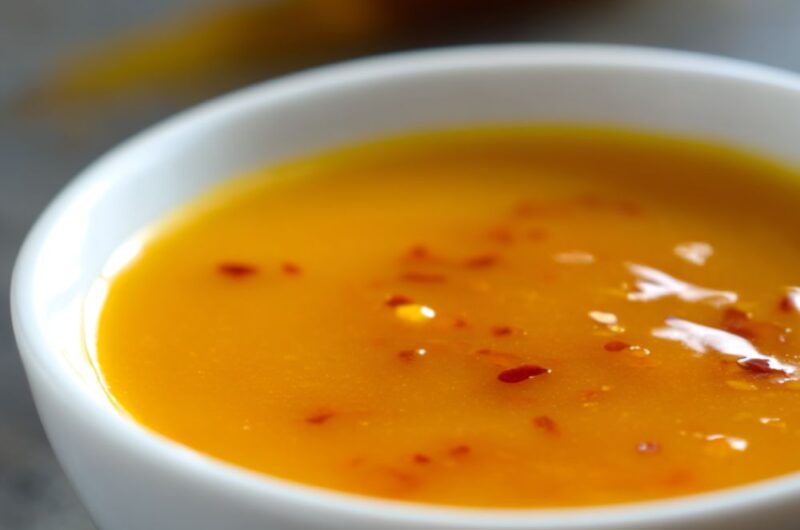
kcalJames Martin Orange Sauce is a glossy, sweet-and-sour classic. It features a caramelized gastrique base enriched with beef stock and fresh orange juice. Finished with cold butter and orange liqueur for a luxurious shine. The essential pairing for roast duck breast or legs.
Ingredients
2 large oranges (zest of 1, juice of 2)
100 g caster sugar
50 ml red wine vinegar (or sherry vinegar)
400 ml high-quality beef stock or duck stock (homemade or good quality pouch)
2 tbsp Grand Marnier or Cointreau (orange liqueur, optional)
50 g cold unsalted butter, cubed
1 tsp cornflour mixed with 1 tsp water (optional, for thickness)
Salt and black pepper to taste
Directions
- Prepare the zest: by using a vegetable peeler to remove the orange skin in strips (avoiding the white pith). Slice these strips into very fine julienne (thin matchsticks).
- Blanch the zest: by placing the julienne strips in a small saucepan of boiling water for 1 minute. Drain and rinse under cold water. This crucial step removes the bitterness from the oils. Set aside.
- Create the gastrique: by placing the caster sugar and red wine vinegar in a saucepan over medium heat. Let it bubble without stirring until it turns into a dark, golden caramel syrup. Watch it closely so it doesn’t burn.
- Deglaze the pan: by pouring in the fresh orange juice. Be careful, as the hot caramel will splutter and seize up initially. Stir gently over the heat until the hardened caramel dissolves completely into the juice.
- Build the body: by pouring in the beef or duck stock and the splash of Grand Marnier. Bring the mixture to a boil.
- Reduce the liquid: by lowering the heat to a simmer and letting it cook for 10 to 15 minutes. You want the volume to reduce by about half, intensifying the flavor.
- Thicken (Optional): if the sauce looks too thin. Stir in the cornflour slurry a little at a time, simmering for 2 minutes until it reaches your desired coating consistency.
- Add the zest: by stirring the blanched orange strips into the sauce.
- Mount the sauce: (Montez au Beurre) by removing the pan from the heat. Whisk in the cold cubes of butter one by one. This emulsifies the sauce, giving it a rich texture and a glossy shine. Do not boil the sauce again after adding the butter, or it will split.
- Season and serve: by tasting and adjusting with salt and black pepper. Pour immediately over your sliced duck.
Notes
- Watch the caramel: The difference between a rich gastrique and a burnt mess is seconds. Do not walk away from the sugar and vinegar mixture.
Use cold butter: The butter added at the end must be cold. As it melts slowly into the warm sauce, the milk solids act as an emulsifier, thickening and shining the sauce simultaneously.
Avoid the pith: When peeling the orange, ensure you don’t take the white pith underneath the skin. The pith is incredibly bitter and will ruin the sweetness of the sauce.
Pan juices: If you have just pan-fried duck breasts, pour the excess fat out of the frying pan and pour your finished sauce into that hot pan for 30 seconds. Scrape up the crispy brown bits (fond) from the bottom for extra flavor before serving.