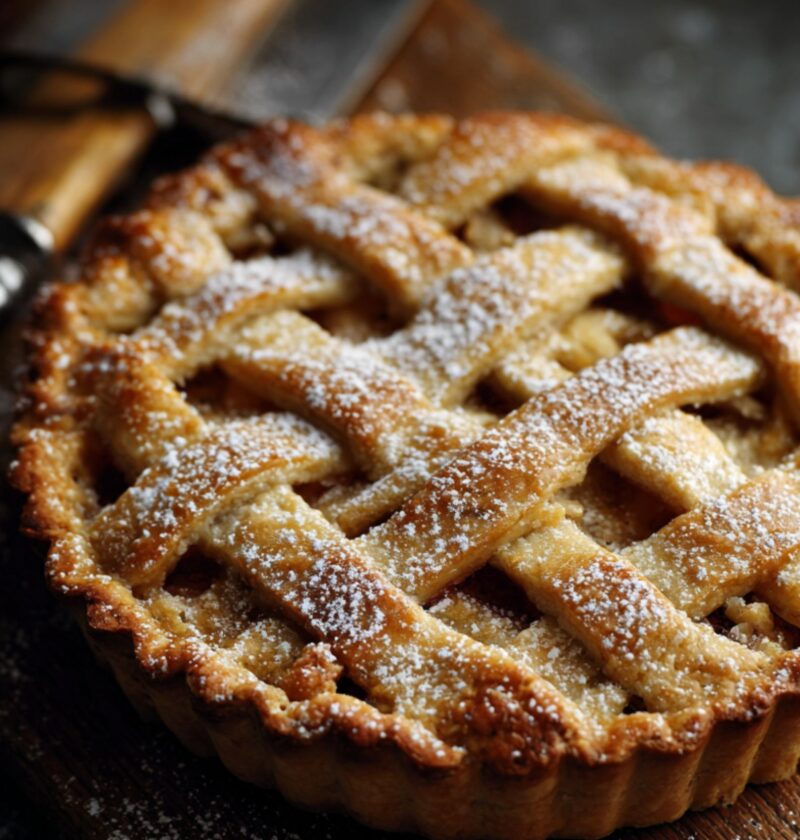
James Martin Pie Pastry is a masterclass in achieving the perfect “short” texture—that elusive balance between a buttery, melt-in-the-mouth crumb and a sturdy crust that can hold a heavy filling. James is a firm believer that the best pastry comes from using a combination of high-quality butter for flavor and lard for superior crispness. This recipe is a foundational skill for any home baker, providing a reliable, flaky base for everything from a traditional steak and ale pie to a sweet fruit galette.
Try more Recipes:
Why You Will Love This Pie Pastry Recipe:
- Ultimate Crispness: The inclusion of lard ensures a “shorter” crumb and a crispier finish that resists the dreaded “soggy bottom.”
- Versatility: By simply adding or omitting a touch of sugar, this dough transitions perfectly between savory meat pies and sweet dessert tarts.
- Ease of Handling: This specific fat-to-flour ratio creates a dough that is elastic enough to roll out without tearing, but delicate enough to shatter when bitten.
- Professional Results: Following James’s “cold-handling” techniques will give you a pastry that looks and tastes like it came from a high-end British gastro-pub.
James Martin Pie Pastry Ingredients
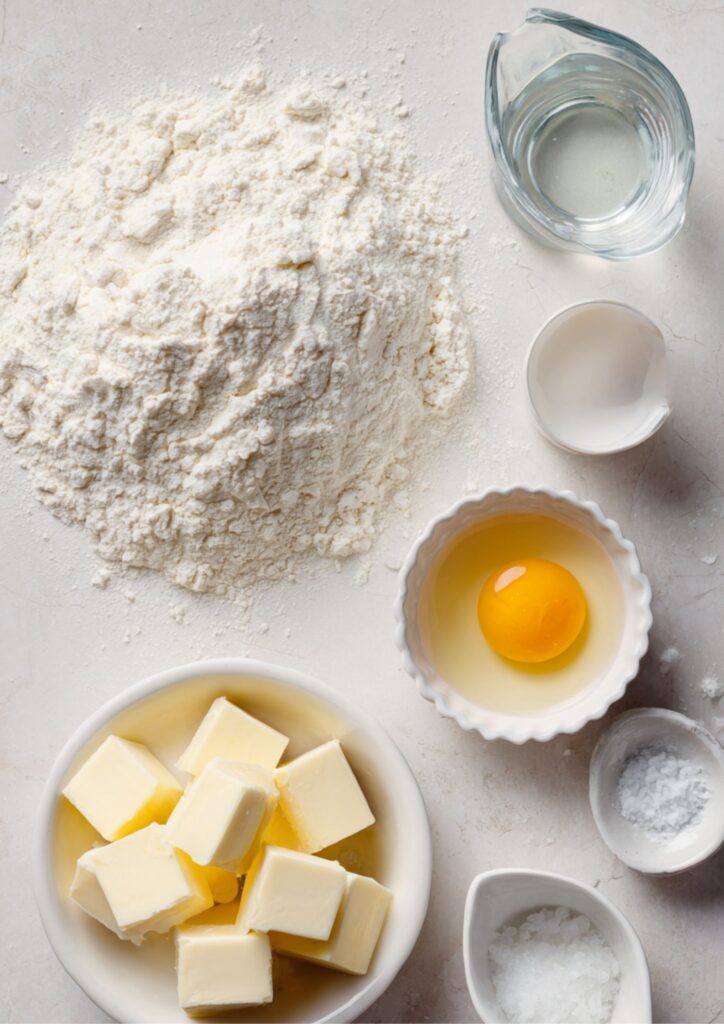
- 500g Plain Flour
- 125g Unsalted Butter
- 125g Lard
- 1 tsp Salt: For savory pies (omit or reduce to a pinch for sweet pies).
- 2 tbsp Icing Sugar: Only if making a sweet pastry.
- 1 Egg Yolk
- 4–6 tbsp Ice-Cold Water
How To Make James Martin Pie Pastry
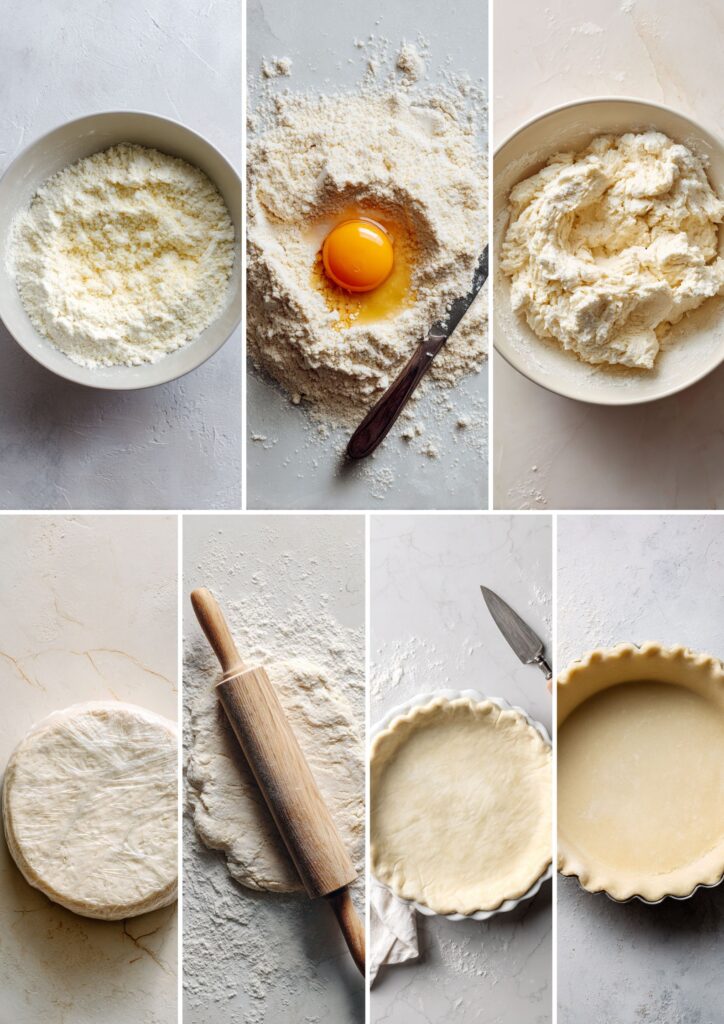
- Rub in the Fats: Sift the flour and salt (and sugar, if using) into a large chilled bowl. Add the cubed butter and lard. Using your fingertips, gently rub the fats into the flour until the mixture resembles coarse breadcrumbs. Tip: Work quickly to prevent the fat from melting.
- Add the Liquids: Make a well in the center of the mixture. Add the egg yolk (if using) and 4 tablespoons of the ice-cold water.
- Form the Dough: Using a round-bladed knife, use a cutting motion to bring the dough together. If it still looks crumbly, add the remaining water one tablespoon at a time.
- The “No-Knead” Rule: Use your hands to gently bring the dough into a smooth ball. Do not knead it; you want to avoid developing the gluten which makes pastry tough.
- The First Rest: Flatten the dough into a disc, wrap it tightly in cling film, and refrigerate for at least 30–60 minutes. This allows the fat to re-harden and the gluten to relax.
- Roll Out: Dust your surface with flour. Roll the pastry out from the center, rotating it as you go to maintain an even thickness (about 3mm).
- Final Chill: Once the pie dish is lined, chill the pastry again for 15 minutes before putting it in the oven to prevent shrinkage.
Recipe Tips
- Cold Hands, Warm Heart: If your hands are naturally warm, run them under cold water before handling the dough, or use a food processor for the “rubbing in” stage.
- Don’t Over-water: Add only as much water as is absolutely necessary. Too much moisture leads to a hard, “bready” crust rather than a flaky one.
- The Lard Secret: While all-butter pastry tastes great, lard has a higher melting point, which creates larger air pockets and a much crispier snap.
- Avoid Shrinkage: Always let your pastry rest. If you roll it out and bake it immediately, the “stretched” gluten will snap back, causing the sides of your pie to sink.
What To Serve With Pie Pastry?
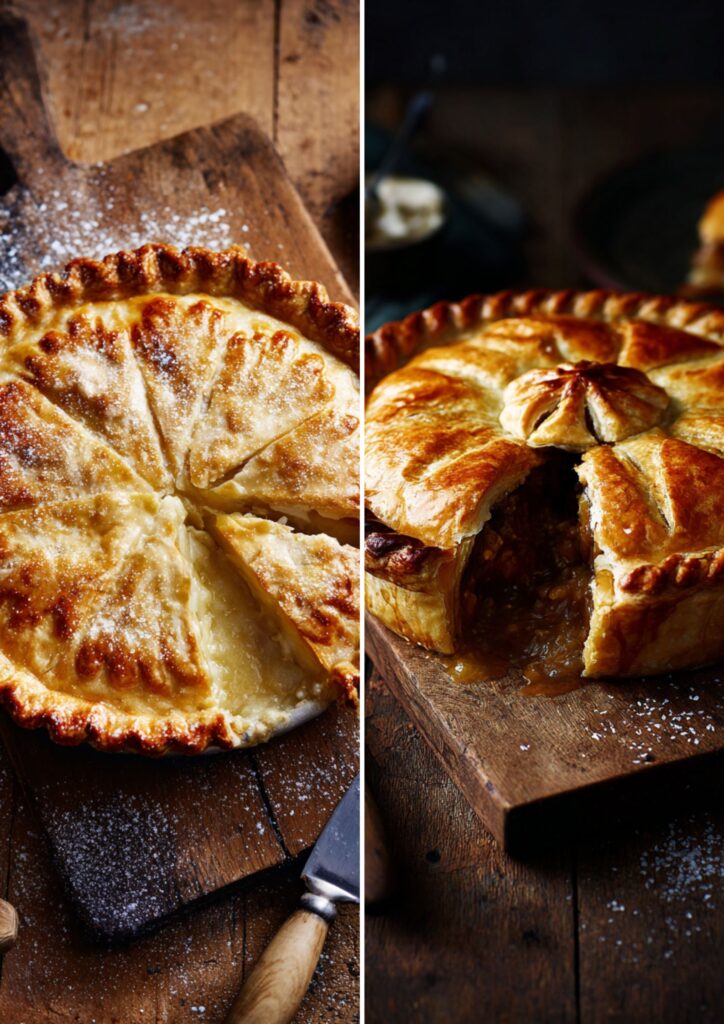
For savory applications, this pastry is the perfect lid for a James Martin Steak and Ale Stew or a creamy Chicken and Leek filling, served alongside buttery mashed potatoes and rich gravy. If you are using the sweet version, it serves as the ideal vessel for a Classic Apple Pie or a Bakewell Tart, best enjoyed with a generous pour of warm vanilla custard or a scoop of clotted cream.
How To Store Leftovers Pie Pastry?
- Raw Dough: Wrap tightly in a double layer of cling film and store in the fridge for up to 3 days.
- Freezing: This dough freezes exceptionally well. Store as a disc in a freezer bag for up to 3 months. Thaw overnight in the fridge.
- Baked Pastry: Store cooked pie crusts in an airtight container at room temperature for 2 days.
How To Reheat Leftovers Pie Pastry?
- Oven: Reheat baked pies at 180°C (350°F) for 10–15 minutes to recrisp the fats.
- Air Fryer: A great quick option; heat at 170°C (340°F) for 5 minutes.
- Avoid the Microwave: The microwave will turn this beautiful flaky pastry into a rubbery, soggy mess instantly.
FAQs
Yes! Pulse the flour and fats until they look like breadcrumbs, then pulse in the water. Stop the moment the dough starts to clump together.
This usually happens if the lard is old or if the dough has been in the fridge for too long (over 3 days). It’s still safe to eat, but fresh ingredients are best.
It is likely too cold. If it’s been in the fridge for hours, let it sit on the counter for 5–10 minutes to soften slightly before rolling.
More Recipes:
- James Martin Chicken and Water Chestnut Pie
- James Martin Beef and Ale Pie
- James Martin Chicken And Mushroom Pie
Pie Pastry Nutrition Facts
- Calories: ~210 kcal
- Total Fat: 14g
- Saturated Fat: 7g
- Cholesterol: 15mg
- Sodium: 180mg
- Total Carbohydrate: 18g
- Protein: 3g
James Martin Pie Pastry
Course: Basics, BakingCuisine: British, AmericanDifficulty: Easy1
Large Pie15
minutes25
minutes210
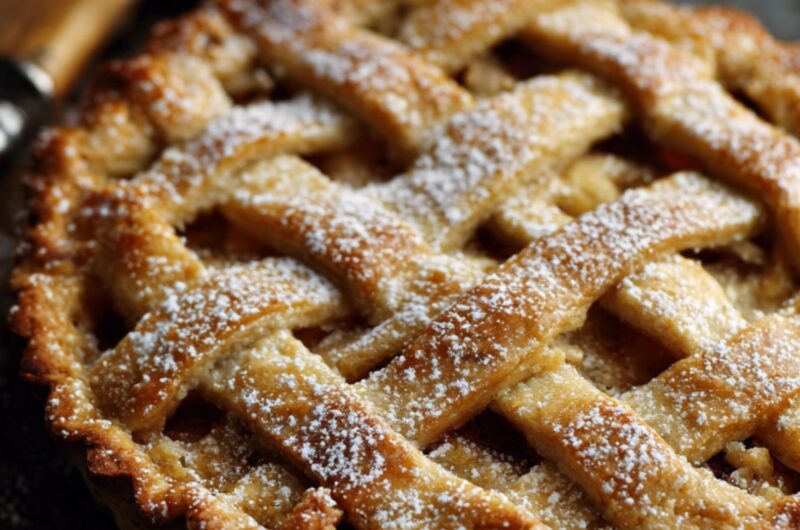
kcalJames Martin Pie Pastry recipe uses a classic blend of butter and lard to create a foolproof, flaky crust. It is versatile enough for both sweet and savory pies, offering a melt-in-the-mouth texture and structural integrity that resists soggy bottoms.
Ingredients
500g Plain Flour
125g Unsalted Butter
125g Lard
1 tsp Salt: For savory pies (omit or reduce to a pinch for sweet pies).
2 tbsp Icing Sugar: Only if making a sweet pastry.
1 Egg Yolk
4–6 tbsp Ice-Cold Water
Directions
- Rub in the Fats: Sift the flour and salt (and sugar, if using) into a large chilled bowl. Add the cubed butter and lard. Using your fingertips, gently rub the fats into the flour until the mixture resembles coarse breadcrumbs. Tip: Work quickly to prevent the fat from melting.
- Add the Liquids: Make a well in the center of the mixture. Add the egg yolk (if using) and 4 tablespoons of the ice-cold water.
- Form the Dough: Using a round-bladed knife, use a cutting motion to bring the dough together. If it still looks crumbly, add the remaining water one tablespoon at a time.
- The “No-Knead” Rule: Use your hands to gently bring the dough into a smooth ball. Do not knead it; you want to avoid developing the gluten which makes pastry tough.
- The First Rest: Flatten the dough into a disc, wrap it tightly in cling film, and refrigerate for at least 30–60 minutes. This allows the fat to re-harden and the gluten to relax.
Roll Out: Dust your surface with flour. Roll the pastry out from the center, rotating it as you go to maintain an even thickness (about 3mm).- Final Chill: Once the pie dish is lined, chill the pastry again for 15 minutes before putting it in the oven to prevent shrinkage.
Notes
- Cold Hands, Warm Heart: If your hands are naturally warm, run them under cold water before handling the dough, or use a food processor for the “rubbing in” stage.
Don’t Over-water: Add only as much water as is absolutely necessary. Too much moisture leads to a hard, “bready” crust rather than a flaky one.
The Lard Secret: While all-butter pastry tastes great, lard has a higher melting point, which creates larger air pockets and a much crispier snap.
Avoid Shrinkage: Always let your pastry rest. If you roll it out and bake it immediately, the “stretched” gluten will snap back, causing the sides of your pie to sink.