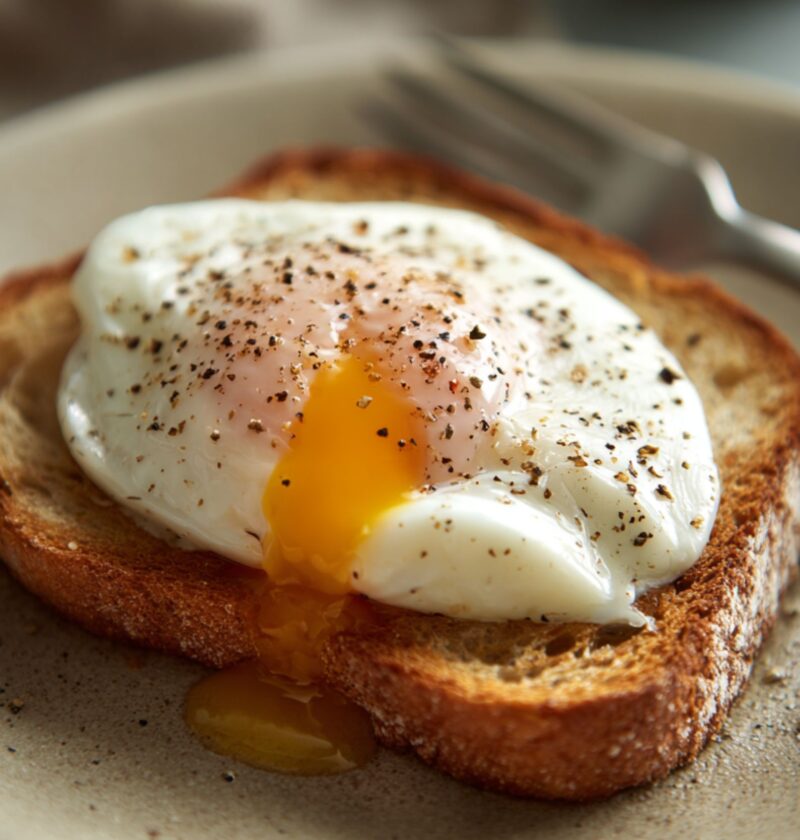
James Martin Poached Eggs are the holy grail of breakfast cookery. For many, poaching an egg is a source of culinary anxiety, resulting in wispy whites and hard yolks. However, James Martin insists that with fresh ingredients and a gentle hand, it is one of the simplest techniques to master. He dispenses with gadgets, silicone cups, and the “cling film hack,” relying instead on the traditional chef’s method: water, a splash of vinegar, and accurate timing. The result is a perfect, glossy white encasing a rich, runny yolk that oozes beautifully over hot buttered toast.
Try More Recipes:
Why You Will Love This Poached Eggs Recipe:
- Restaurant Quality: You achieve that neat, teardrop shape and silky texture found in high-end brunch spots.
- No Gadgets Required: Forget the plastic poachers; all you need is a pan and a slotted spoon.
- Fail-Safe Tips: James’s emphasis on egg freshness and water temperature solves 90% of poaching problems.
- Healthier Choice: Unlike frying, poaching adds no fat during the cooking process (though James would recommend plenty of butter on the toast!).
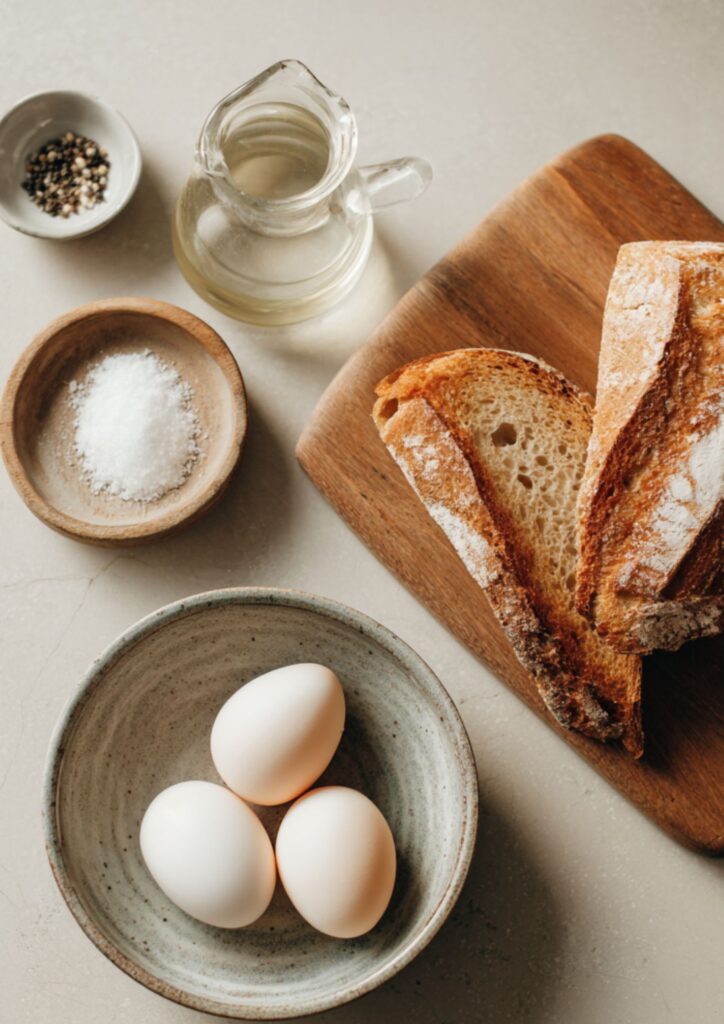
James Martin Poached Eggs Ingredients
- 2 Large Eggs
- 1 tbsp White Wine Vinegar
- Water: Enough to fill a deep frying pan or saucepan (about 10cm deep).
- Sea Salt & Black Pepper: For seasoning at the end.
- Buttered Sourdough Toast: For serving.
How To Make James Martin Poached Eggs
- Prepare the Water: Fill a saucepan or deep frying pan with water and bring it to a boil. Once boiling, turn the heat down until it is just a gentle simmer. You want small bubbles rising from the bottom, not a rolling boil.
- Add Vinegar: Add the tablespoon of white wine vinegar to the water. Note: Do not add salt to the water, as this breaks down the egg white and makes it wispy.
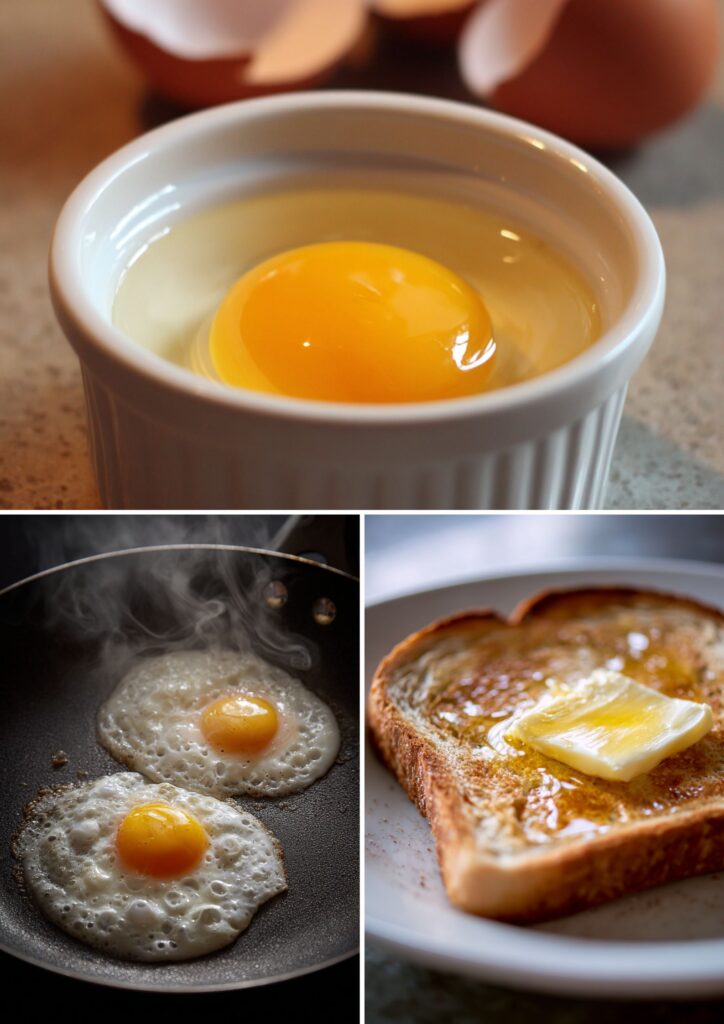
- Crack into a Bowl: Never crack the egg directly into the pan. Crack it into a small ramekin or cup first. This allows you to inspect the yolk and slide it into the water smoothly.
- The Drop: Bring the ramekin close to the surface of the water and gently tip the egg in in one fluid motion. If cooking more than one, repeat the process, leaving space between them.
- The Simmer: Cook for 3 to 4 minutes depending on how soft you like your yolk. Do not touch them for the first 2 minutes.
- The Check: Lift an egg out gently with a slotted spoon. Press the yolk lightly with your finger; it should feel soft and springy (like a mozzarella ball), while the white should be firm.
- Drain: This is the most important step. Transfer the egg to a plate lined with kitchen paper (paper towel) for a few seconds. This absorbs the excess water so you don’t end up with a soggy slice of toast.
- Serve: Season with salt and pepper and place immediately on hot buttered toast.
Recipe Tips
- The Freshness Test: Place your egg in a glass of water. If it sinks and lies flat, it’s fresh and perfect for poaching. If it stands up or floats, use it for baking or boiling instead; the whites will be too watery to poach neatly.
- No Whirlpool Needed: While some chefs advocate swirling the water to create a vortex, James Martin often notes that if the water is simmering gently and the egg is fresh, you don’t need to overcomplicate it with swirls—especially if cooking two eggs at once.
- Pan Depth: Use a pan deep enough (at least 3-4 inches) so the egg has space to float before it touches the bottom.
- The Vinegar Myth: Don’t worry about the vinegar taste; you use such a small amount that it is undetectable in the final dish.
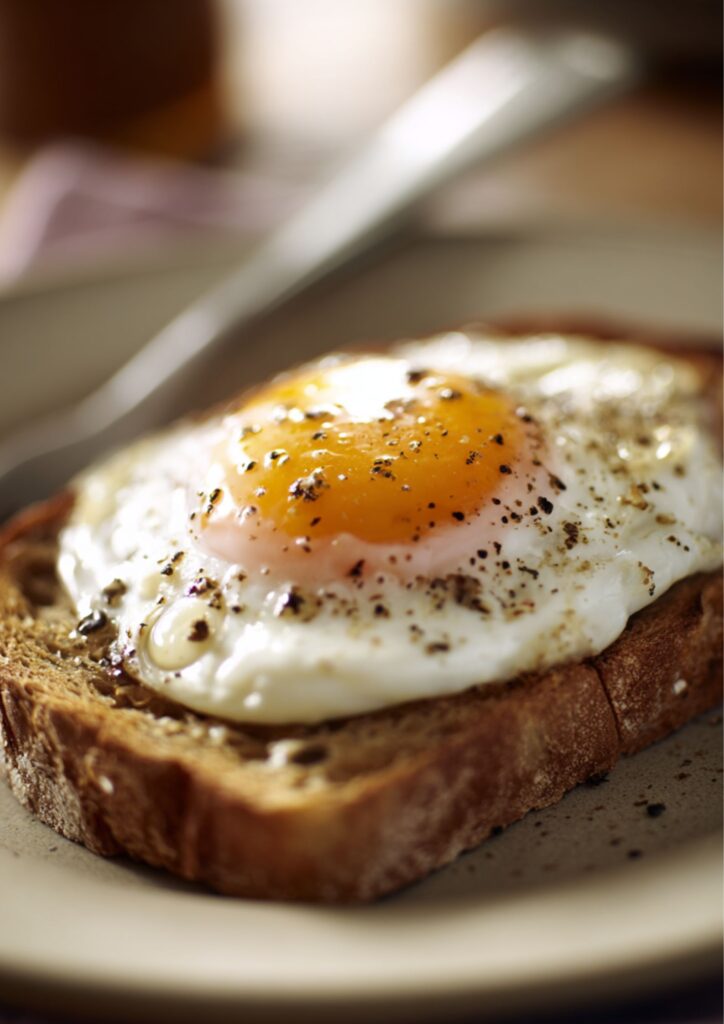
What To Serve With James Martin Poached Eggs?
The classic pairing is smashed avocado on sourdough, topped with the egg and chili flakes. For a “Royale” twist, serve on a toasted English muffin with smoked salmon and Hollandaise sauce. Or, keep it simple like James often does: on a bed of sautéed spinach and mushrooms with a good grind of black pepper.
How To Store Leftovers Poached Eggs (The Chef Trick)?
- Ice Bath: You can make poached eggs ahead of time (a common restaurant trick). Cook them as usual, then immediately drop them into a bowl of ice water to stop the cooking.
- Fridge: Once cold, store them in a container of water in the fridge for up to 2 days.
How To Reheat Leftovers Poached Eggs?
- Simmering Water: To serve, simply drop the cold, pre-cooked eggs into a pan of simmering water for 60 seconds. This warms them through without cooking the yolk any further. Drain and serve.
- Microwave: Not recommended, as eggs can explode or become rubbery.
FAQs
The eggs were likely too old. Old eggs have watery whites that don’t hold their shape. Try using fresher eggs or a mesh strainer to drain the watery part of the white before cooking.
Yes, any light vinegar works. Avoid dark vinegars like balsamic or malt vinegar as they will discolor the egg for your Poached Eggs.
Use a wide, deep frying pan rather than a small saucepan. Slide them in clockwise so you remember which one went in first (and which to take out first).
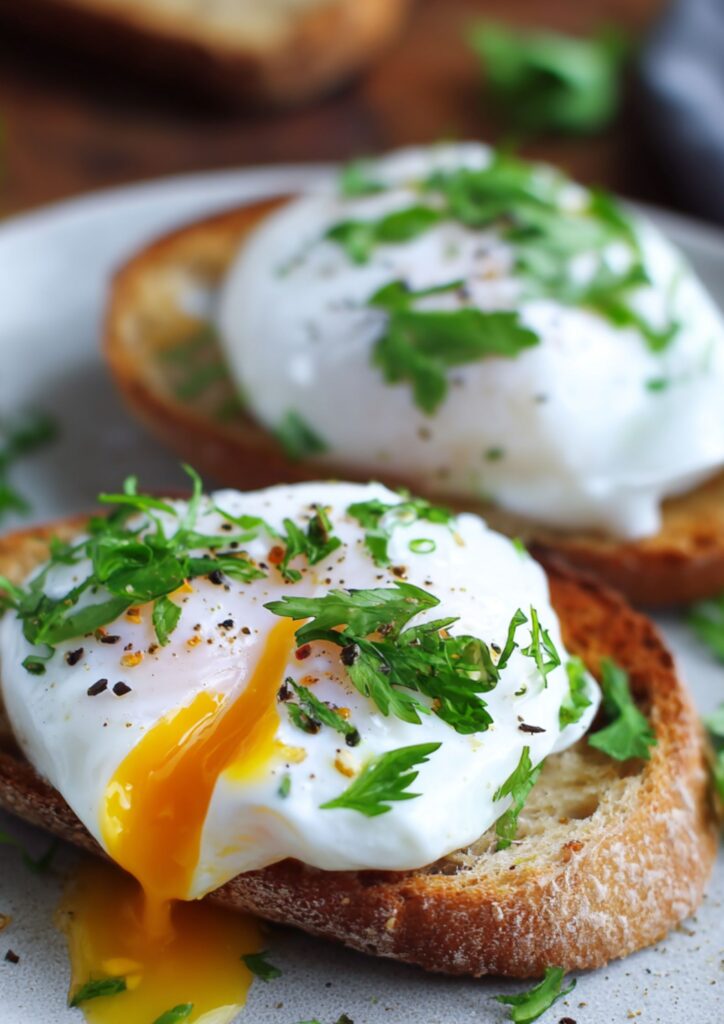
Try More Recipes:
Poached Eggs Nutrition Facts (Per single egg, without toast)
- Calories: ~70 kcal
- Total Fat: 5g
- Saturated Fat: 1.5g
- Cholesterol: 185mg
- Sodium: 70mg
- Total Carbohydrate: 0.4g
- Protein: 6g
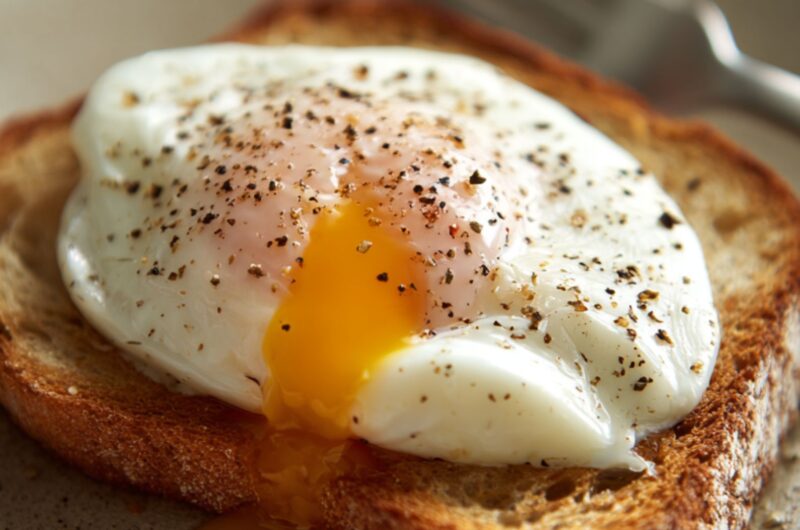
James Martin Poached Eggs
Course: Breakfast, Brunch, SidesCuisine: British, AmericanDifficulty: Easy4
servings2
minutes4
minutes70
kcalJames Martin Poached Eggs are a breakfast essential. By using the freshest eggs possible and a gentle simmer method with a splash of vinegar, you can achieve a perfectly set white and a rich, runny yolk without the need for any plastic gadgets.
Ingredients
2 Large Eggs
1 tbsp White Wine Vinegar
Water: Enough to fill a deep frying pan or saucepan (about 10cm deep).
Sea Salt & Black Pepper: For seasoning at the end.
Buttered Sourdough Toast: For serving.
Directions
- Prepare the Water: Fill a saucepan or deep frying pan with water and bring it to a boil. Once boiling, turn the heat down until it is just a gentle simmer. You want small bubbles rising from the bottom, not a rolling boil.
- Add Vinegar: Add the tablespoon of white wine vinegar to the water. Note: Do not add salt to the water, as this breaks down the egg white and makes it wispy.
- Crack into a Bowl: Never crack the egg directly into the pan. Crack it into a small ramekin or cup first. This allows you to inspect the yolk and slide it into the water smoothly.
The Drop: Bring the ramekin close to the surface of the water and gently tip the egg in in one fluid motion. If cooking more than one, repeat the process, leaving space between them.- The Simmer: Cook for 3 to 4 minutes depending on how soft you like your yolk. Do not touch them for the first 2 minutes.
- The Check: Lift an egg out gently with a slotted spoon. Press the yolk lightly with your finger; it should feel soft and springy (like a mozzarella ball), while the white should be firm.
- Drain: This is the most important step. Transfer the egg to a plate lined with kitchen paper (paper towel) for a few seconds. This absorbs the excess water so you don’t end up with a soggy slice of toast.
- Serve: Season with salt and pepper and place immediately on hot buttered toast.
Notes
- The Freshness Test: Place your egg in a glass of water. If it sinks and lies flat, it’s fresh and perfect for poaching. If it stands up or floats, use it for baking or boiling instead; the whites will be too watery to poach neatly.
No Whirlpool Needed: While some chefs advocate swirling the water to create a vortex, James Martin often notes that if the water is simmering gently and the egg is fresh, you don’t need to overcomplicate it with swirls—especially if cooking two eggs at once.
Pan Depth: Use a pan deep enough (at least 3-4 inches) so the egg has space to float before it touches the bottom.
The Vinegar Myth: Don’t worry about the vinegar taste; you use such a small amount that it is undetectable in the final dish.