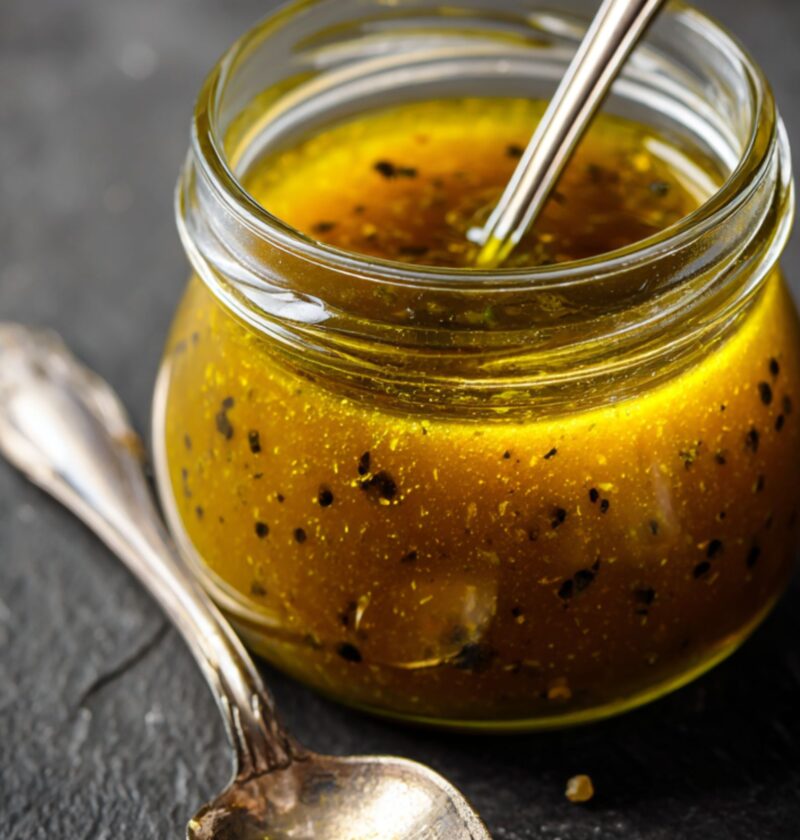
James Martin Salad Dressing Recipes are all about demystifying the “vinaigrette.” James is a vocal critic of store-bought dressings, often noting that making your own takes seconds, tastes infinitely better, and avoids processed stabilizers. His philosophy relies on the “Jam Jar Method”—simply putting high-quality ingredients in a jar and shaking them until emulsified. Whether it’s a sharp French vinaigrette for bitter leaves or a creamy mustard dressing for potatoes, James follows the golden ratio of 3 parts oil to 1 part vinegar (or acid), creating a perfectly balanced emulsion every time.
Try More Recipes:
Why You Will Love These Salad Dressing Recipes:
- The “Jam Jar” Ease: No whisks or bowls required—just shake and pour. It also doubles as the storage container.
- The Golden Ratio: Following the 3:1 rule guarantees a dressing that is neither too oily nor too acidic.
- Pantry Staples: You likely already have the ingredients (Dijon mustard, olive oil, vinegar) in your cupboard.
- Versatility: One base recipe can be tweaked with herbs, honey, or cream to suit any salad from a Caesar to a simple green side.
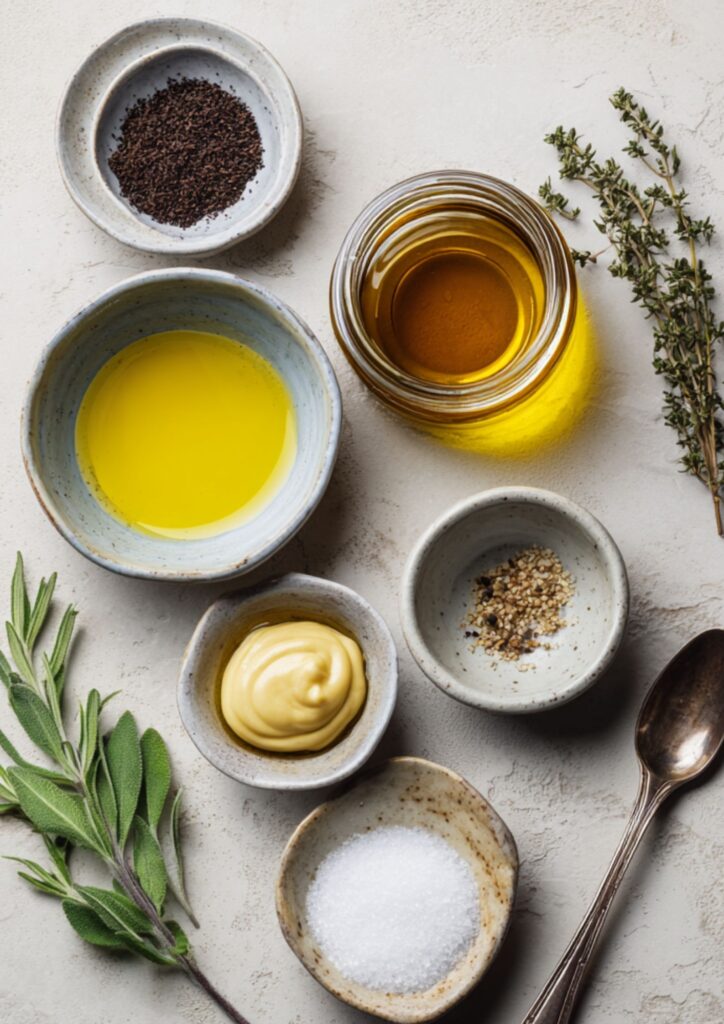
James Martin Classic Vinaigrette Ingredients
- 3 tbsp Extra Virgin Olive Oil
- 1 tbsp White Wine Vinegar
- 1 tsp Dijon Mustard
- Pinch of Sugar
- Salt & Black Pepper
- Optional: 1 tsp fresh herbs (chives or parsley) or a small crushed garlic clove.
How To Make James Martin Classic Vinaigrette
- The Jar: Find a clean jam jar with a tight-fitting lid.
- Combine: Add the vinegar, Dijon mustard, sugar, salt, and pepper into the jar. James often adds the vinegar and mustard first to dissolve the salt before adding the oil.
- The Oil: Pour in the olive oil.
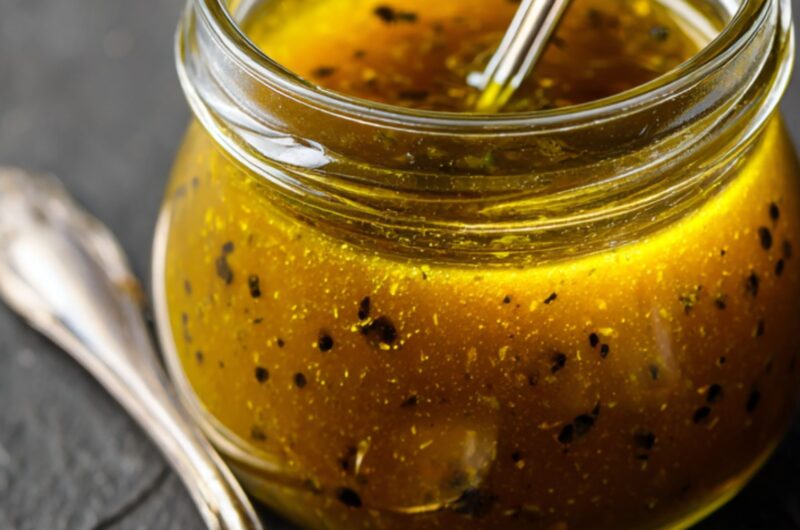
- The Shake: Screw the lid on tightly. Shake the jar vigorously for 10–15 seconds. You want the mixture to turn creamy and opaque—this is the emulsion forming.
- Taste and Adjust: Dip a lettuce leaf in to taste. If it’s too sharp, add a drop more oil. If it’s too bland, add a pinch more salt.
- Serve: Pour immediately over your salad leaves.
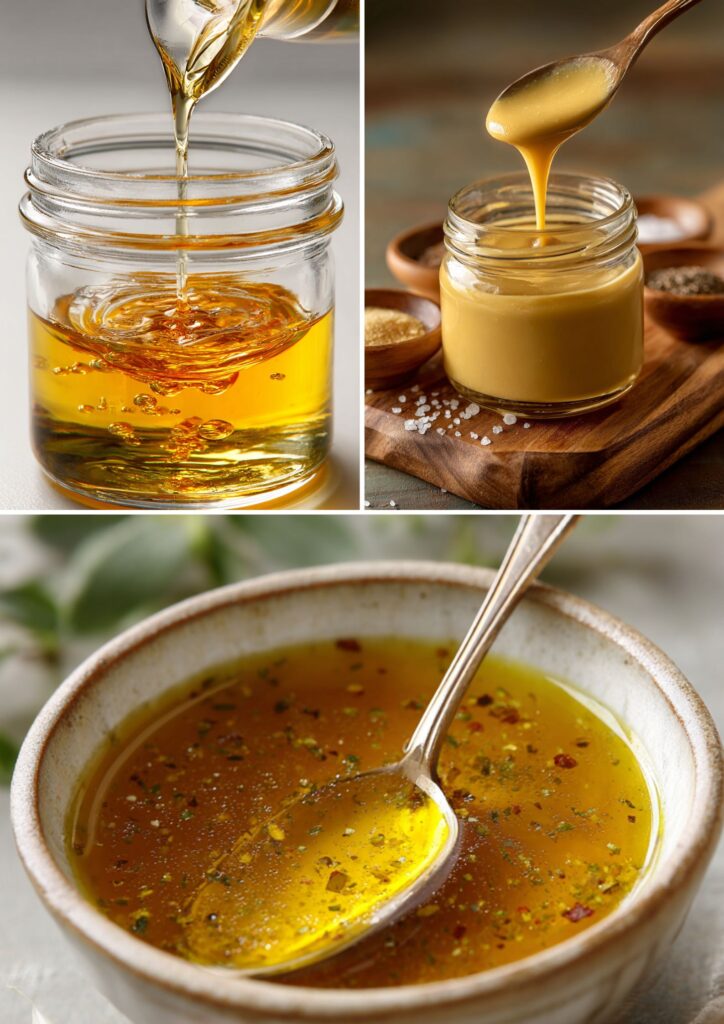
Recipe Tips
- The Mustard is Key: Don’t skip the Dijon mustard. Beyond flavor, it contains natural gums that help keep the oil and vinegar mixed together for longer.
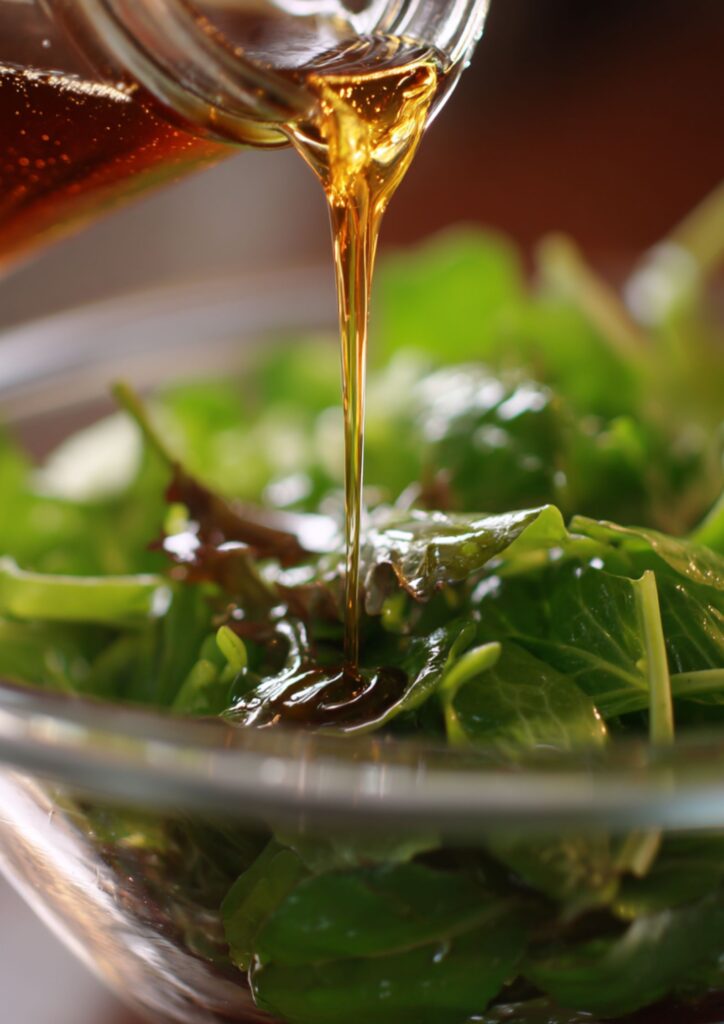
- Don’t Drown the Leaves: Dress the salad just before serving. Use your hands to toss the leaves gently so they are coated but not swimming in liquid.
- Acid Alternatives: If you run out of white wine vinegar, you can use sherry vinegar, red wine vinegar, or fresh lemon juice. Avoid malt vinegar, which is too harsh for delicate leaves.
- Room Temperature: If you store the dressing in the fridge, the olive oil may solidify. Let the jar sit on the counter for 10 minutes and give it a good shake before using.
What To Serve With Salad Dressings?
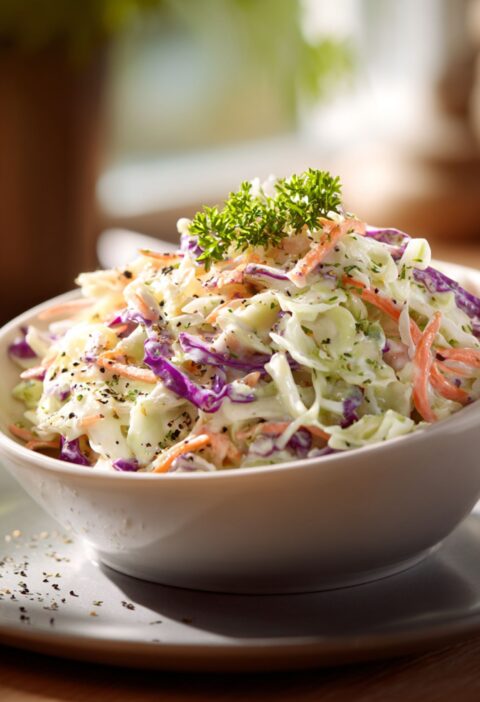
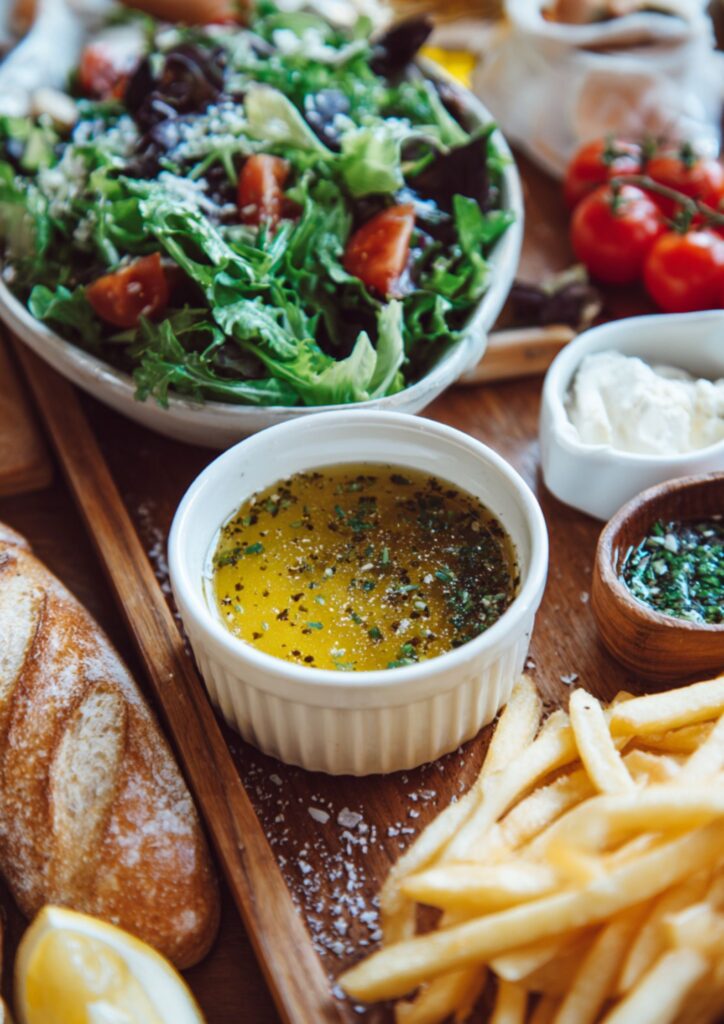
- Classic Vinaigrette: Pairs perfectly with a Simple Green Salad, sliced tomatoes with red onion, or James Martin’s Quiche Lorraine.
- Honey & Lemon: Drizzle over smoked salmon, avocado salad, or grilled chicken breasts.
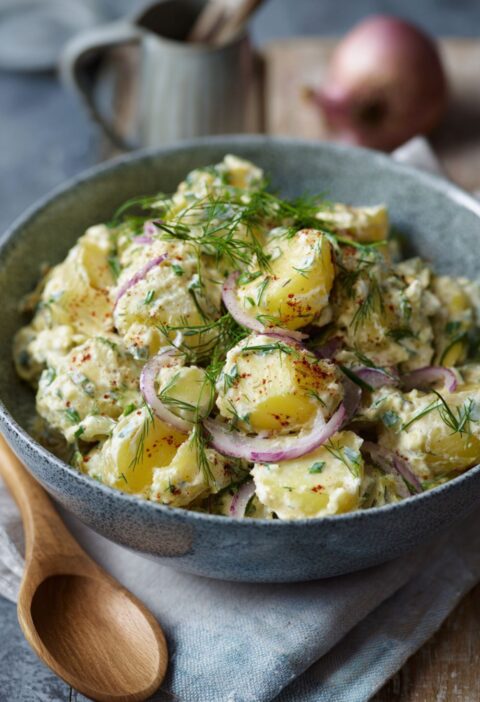
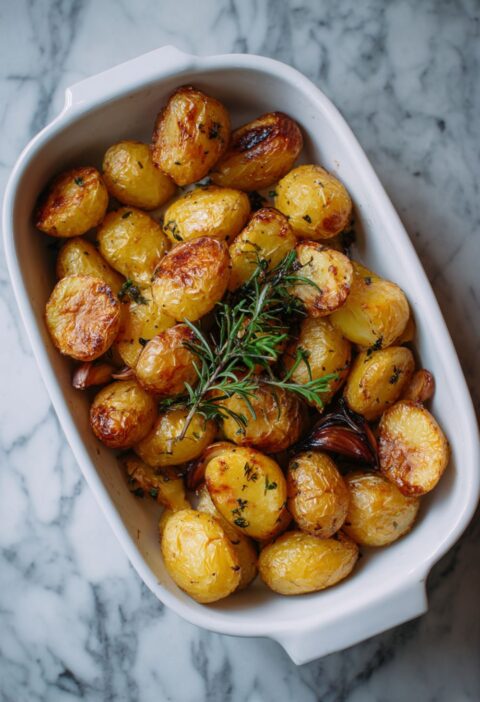
- Creamy Mustard: Stir into warm boiled new potatoes or use as a dip for crudités.
How To Store Leftovers Salad Dressing?
- Fridge: The classic vinaigrette can be stored in the jar in the fridge for up to 2 weeks.
- Fresh Ingredients: If you add fresh garlic, shallots, or herbs to the jar, the shelf life reduces to 3 days due to the risk of spoilage.
- Shake to Wake: The dressing will separate over time. Just give it a vigorous shake to re-emulsify it before serving.
Do Not Heat: Vinaigrettes are served cold or at room temperature. Heating them will break the emulsion and make the vinegar taste pungent.
FAQs
Yes, Balsamic makes a darker, sweeter dressing. It pairs beautifully with tomato and mozzarella salads or strawberries.
Oil and water naturally separate. The mustard helps, but eventually, gravity wins. Just shake it again!
You can, but it will lack flavor. James recommends olive oil or rapeseed oil for their superior taste and color.
More Recipes:
Vinaigrette Nutrition Facts (Per tablespoon serving)
- Calories: ~100 kcal
- Total Fat: 11g
- Saturated Fat: 1.5g
- Cholesterol: 0mg
- Sodium: 80mg
- Total Carbohydrate: 0.5g
- Protein: 0g
James Martin Salad Dressing Recipes
Course: Condiment, SidesCuisine: French, BritishDifficulty: Easy~4
servings30
minutes100
kcalJames Martin’s Salad Dressing is the ultimate 3-ingredient staple. Using the “Jam Jar” method, this recipe combines Dijon mustard, vinegar, and oil in a classic 1:3 ratio to create a creamy, emulsified vinaigrette that elevates any salad in seconds.
Ingredients
3 tbsp Extra Virgin Olive Oil
1 tbsp White Wine Vinegar
1 tsp Dijon Mustard
Pinch of Sugar
Salt & Black Pepper
Optional: 1 tsp fresh herbs (chives or parsley) or a small crushed garlic clove.
Directions
- The Jar: Find a clean jam jar with a tight-fitting lid.
- Combine: Add the vinegar, Dijon mustard, sugar, salt, and pepper into the jar. James often adds the vinegar and mustard first to dissolve the salt before adding the oil.
- The Oil: Pour in the olive oil.
- The Shake: Screw the lid on tightly. Shake the jar vigorously for 10–15 seconds. You want the mixture to turn creamy and opaque—this is the emulsion forming.
- Taste and Adjust: Dip a lettuce leaf in to taste. If it’s too sharp, add a drop more oil. If it’s too bland, add a pinch more salt.
- Serve: Pour immediately over your salad leaves.
Notes
- The Mustard is Key: Don’t skip the Dijon mustard. Beyond flavor, it contains natural gums that help keep the oil and vinegar mixed together for longer.
Don’t Drown the Leaves: Dress the salad just before serving. Use your hands to toss the leaves gently so they are coated but not swimming in liquid.
Acid Alternatives: If you run out of white wine vinegar, you can use sherry vinegar, red wine vinegar, or fresh lemon juice. Avoid malt vinegar, which is too harsh for delicate leaves.
Room Temperature: If you store the dressing in the fridge, the olive oil may solidify. Let the jar sit on the counter for 10 minutes and give it a good shake before using.