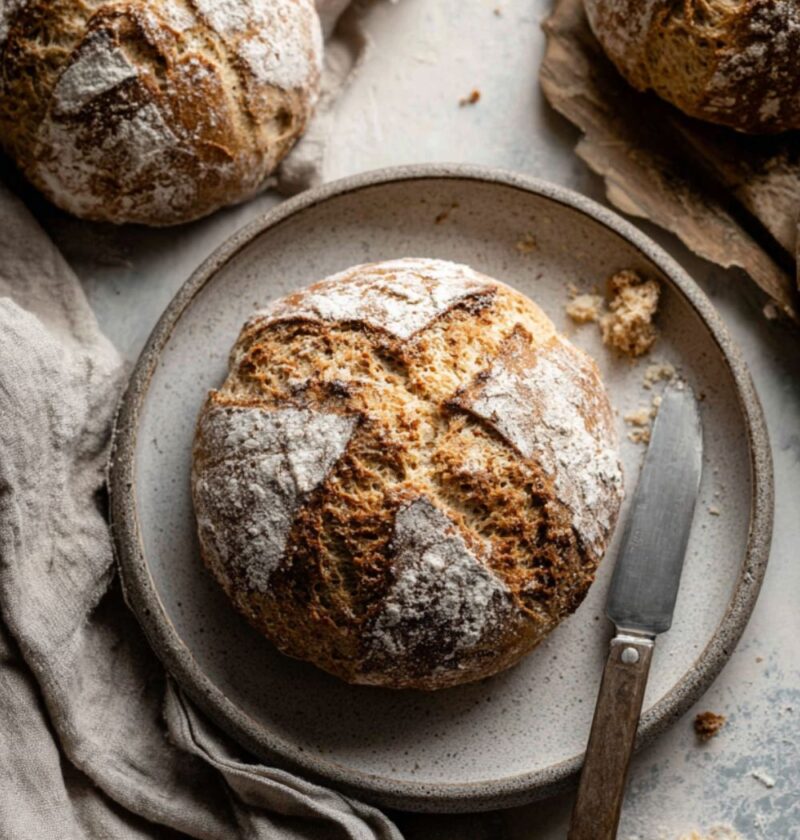
James Martin Soda Bread is made with self-raising brown flour, plain flour, bicarbonate of soda, salt, and tangy buttermilk. The result is a quick, rustic loaf with a soft, dense crumb and a wonderfully crunchy crust. It is a perfect bread for beginners as it requires no yeast or kneading, and it makes two small loaves, ideal for serving warm with soup.
Try More Recipes:
Why You Will Love This Soda Bread:
- No Yeast, No Kneading: This is the perfect bread for beginners. It uses a chemical reaction—not yeast—to rise, so there is no kneading and no waiting for it to prove.
- Ready in 30 Minutes: You can have two hot, fresh, crusty loaves of bread on the table in about 30 minutes from start to finish. It’s the ultimate “quick bread.”
- Hearty, Rustic Texture: The mix of wholemeal and plain flour gives this bread a wonderfully soft, dense crumb and a nutty, rustic flavor that’s much more interesting than a plain white loaf.
- The Perfect Soup Partner: This bread is made for soup. It’s sturdy enough to dip into a hot bowl of tomato soup or a hearty stew, and it’s delicious with a thick layer of cold butter.
James Martin Soda Bread Ingredients
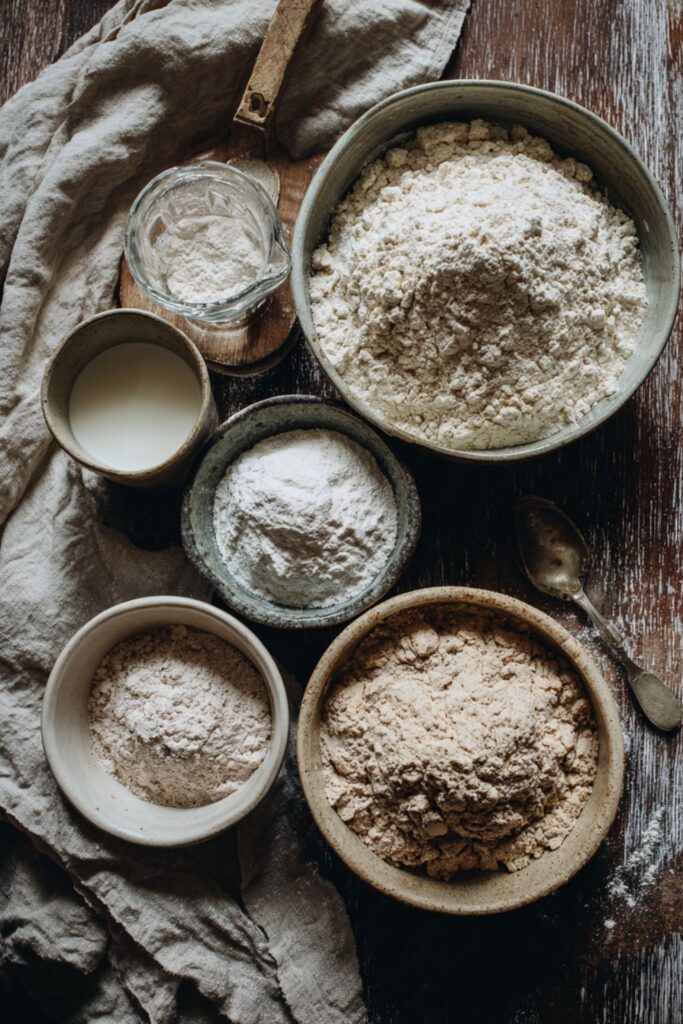
- 170g (1 1/4 cups) self-raising brown flour (wholemeal)
- 170g (1 1/4 cups) plain flour, plus extra for dusting
- 1/2 teaspoon salt
- 1 teaspoon bicarbonate of soda (baking soda)
- 300ml (1 1/4 cups) buttermilk
How To Make James Martin Soda Bread
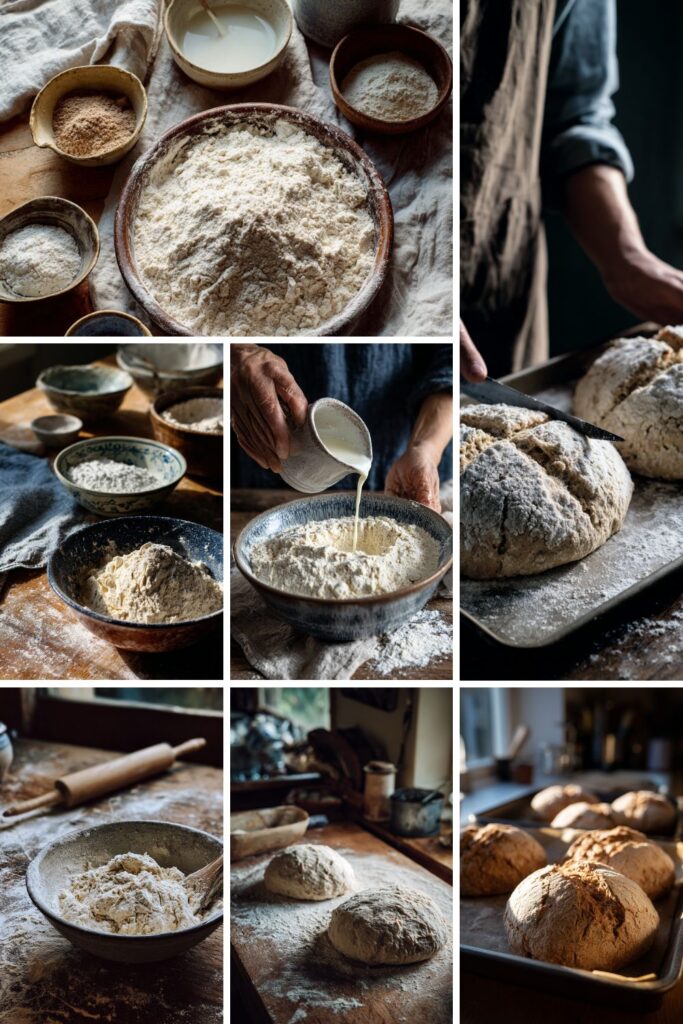
- Preheat the oven: Preheat your oven to 400°F (200°C). Dust a baking tray with a little plain flour.
- Combine dry ingredients: Sift the flours, salt, and bicarbonate of soda into a large mixing bowl. This adds air and removes any lumps.
- Add the buttermilk: Make a small well (a hole) in the center of the flour. Pour in the buttermilk all at once.
- Mix the dough: Use your hands or a wooden spoon to quickly mix the ingredients together to form a soft, slightly sticky dough.
- Shape the loaves: Tip the dough onto a lightly floured surface. Do not knead it. Gently divide the dough into two equal pieces and shape each one into a 6-inch (15cm) round, about 1-inch (3cm) deep.
- Score the bread: Place the loaves on the prepared baking tray. Dust the tops with a little more flour and use a sharp knife to cut a deep cross on the top of each one.
- Bake the bread: Bake for 15 to 20 minutes, or until the loaves are golden brown and sound hollow when you tap the bottom.
Recipe Tips
- Work Quickly: As soon as the buttermilk (acid) hits the bicarbonate of soda (alkaline), a chemical reaction starts. You must work quickly to shape the dough and get it into the hot oven to trap the air.
- Don’t Knead: This is not a yeast bread. Kneading will knock out the air bubbles created by the bicarb and will make your bread tough and dense. A gentle, quick shaping is all it needs.
- The Buttermilk is Key: Buttermilk is a crucial ingredient. Its acidity is what activates the bicarbonate of soda, causing the bread to rise.
- Check for Doneness: The best way to check if soda bread is cooked is to flip it over (using an oven glove!) and tap the bottom. If it sounds hollow, it is done.
What To Serve With Soda Bread?
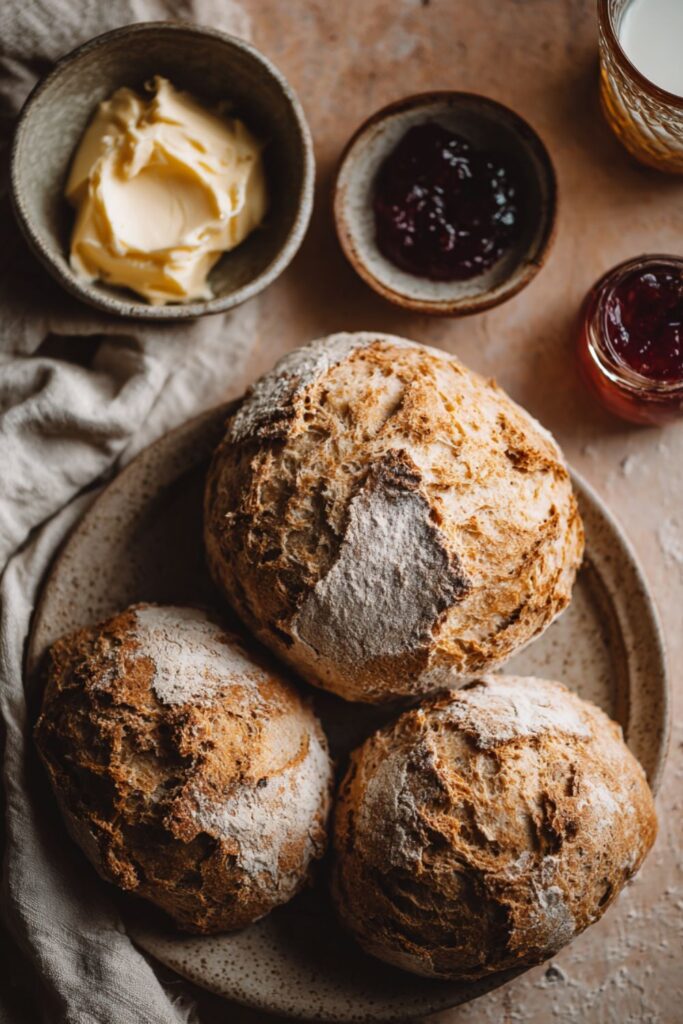
This bread is best served warm and fresh from the oven, slathered in salted butter it is the classic accompaniment to a hearty soup, such as a James Martin Tomato Soup or a leek and potato soup. It is also delicious served with smoked salmon and cream cheese or with a chunk of sharp cheddar cheese.
How To Store Leftovers Soda Bread?
Store: Soda bread is best eaten on the day it is made. If you have leftovers, let them cool completely and store in a bread bin or a paper bag (not plastic) at room temperature for 1 to 2 days.
How To Reheat Leftovers Soda Bread?
Soda bread is always best when it’s fresh, but day-old soda bread is perfect for toasting!
1. In a Toaster (Best for Slices) This is the best and easiest way to enjoy leftovers.
- Cut a thick slice of the cold soda bread.
- Pop it into your toaster until it is golden brown and hot.
- The heat makes the crust crunchy again and warms the soft inside. It is delicious with a thick layer of cold, salted butter that melts right into it.
2. In the Oven (Best for a Whole Loaf) If you want to warm a whole loaf, the oven is your best option.
- Preheat: Set your oven to 350°F (175°C).
- Wrap: Wrap the entire loaf tightly in aluminum foil. This traps the steam and warms the bread through without drying it out or burning the crust.
- Heat: Place it on a baking sheet and heat for 10 to 15 minutes, or until it is warm to the touch.
Note: Avoid the microwave. It will make the bread’s texture tough, rubbery, and chewy.
FAQs
This usually happens if the dough was over-mixed or kneaded. This develops the gluten and knocks out the air. Remember to mix the dough only until it just comes together.
Yes if you can’t find buttermilk, you can make a substitute. Add 1 tablespoon of lemon juice or white vinegar to 1 1/4 cups of whole milk. Let it sit for 10 minutes; it will curdle slightly and be ready to use.
You can, but the bread will have a different texture and flavor. The wholemeal flour in this recipe adds a nutty, rustic taste and a softer crumb.
More Recipes:
- James Martin Chicken And Leek Pie Recipe
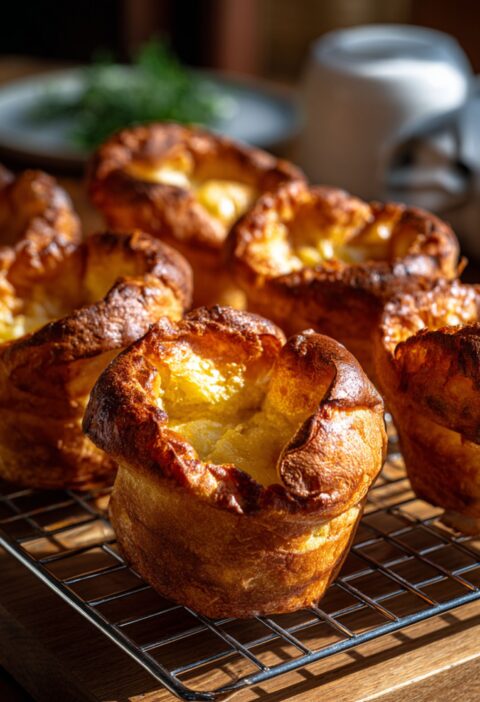
- James Martin Yorkshire Puddings
- James Martin Vegetable Lasagne
Soda Bread Nutrition Facts
Serving Size: 1 slice (1/8 of one loaf)
- Calories: 110 kcal
- Total Fat: 1g
- Saturated Fat: 0.3g
- Cholesterol: 2mg
- Sodium: 280mg
- Total Carbohydrate: 22g
- Dietary Fiber: 2g
- Sugars: 1g
- Protein: 3g
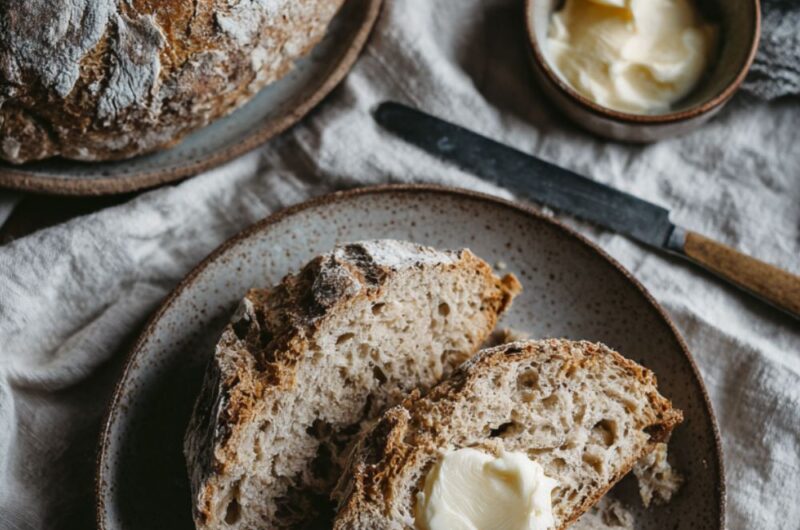
James Martin Soda Bread
Course: Sides, Breakfast, Brunch, Lunch, DinnerCuisine: American, British, IrishDifficulty: Beginner16
servings10
minutes20
minutes110
kcalJames Martin Soda Bread is made with self-raising brown flour, plain flour, bicarbonate of soda, salt, and tangy buttermilk. The result is a quick, rustic loaf with a soft, dense crumb and a wonderfully crunchy crust. It is a perfect bread for beginners as it requires no yeast or kneading, and it makes two small loaves, ideal for serving warm with soup.
Ingredients
170g (1 1/4 cups) self-raising brown flour (wholemeal)
170g (1 1/4 cups) plain flour, plus extra for dusting
1/2 teaspoon salt
1 teaspoon bicarbonate of soda (baking soda)
300ml (1 1/4 cups) buttermilk
Directions
- Preheat the oven: Preheat your oven to 400°F (200°C). Dust a baking tray with a little plain flour.
- Combine dry ingredients: Sift the flours, salt, and bicarbonate of soda into a large mixing bowl. This adds air and removes any lumps.
- Add the buttermilk: Make a small well (a hole) in the center of the flour. Pour in the buttermilk all at once.
- Mix the dough: Use your hands or a wooden spoon to quickly mix the ingredients together to form a soft, slightly sticky dough.
- Shape the loaves: Tip the dough onto a lightly floured surface. Do not knead it. Gently divide the dough into two equal pieces and shape each one into a 6-inch (15cm) round, about 1-inch (3cm) deep.
- Score the bread: Place the loaves on the prepared baking tray. Dust the tops with a little more flour and use a sharp knife to cut a deep cross on the top of each one.
- Bake the bread: Bake for 15 to 20 minutes, or until the loaves are golden brown and sound hollow when you tap the bottom.
Notes
- Work Quickly: As soon as the buttermilk (acid) hits the bicarbonate of soda (alkaline), a chemical reaction starts. You must work quickly to shape the dough and get it into the hot oven to trap the air.
Don’t Knead: This is not a yeast bread. Kneading will knock out the air bubbles created by the bicarb and will make your bread tough and dense. A gentle, quick shaping is all it needs.
The Buttermilk is Key: Buttermilk is a crucial ingredient. Its acidity is what activates the bicarbonate of soda, causing the bread to rise.
Check for Doneness: The best way to check if soda bread is cooked is to flip it over (using an oven glove!) and tap the bottom. If it sounds hollow, it is done.