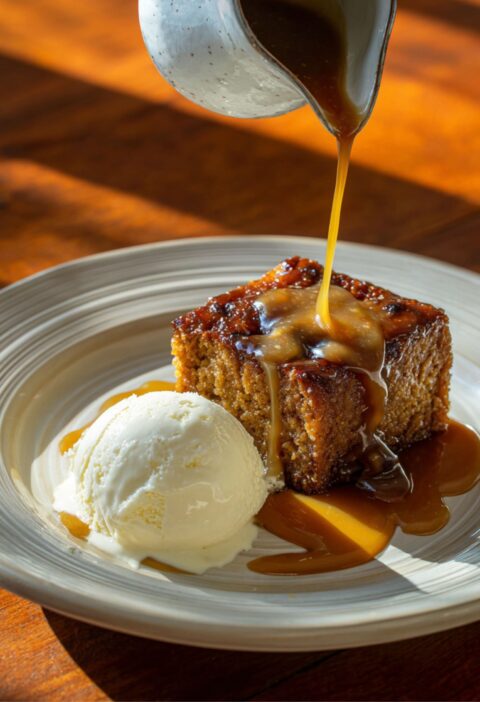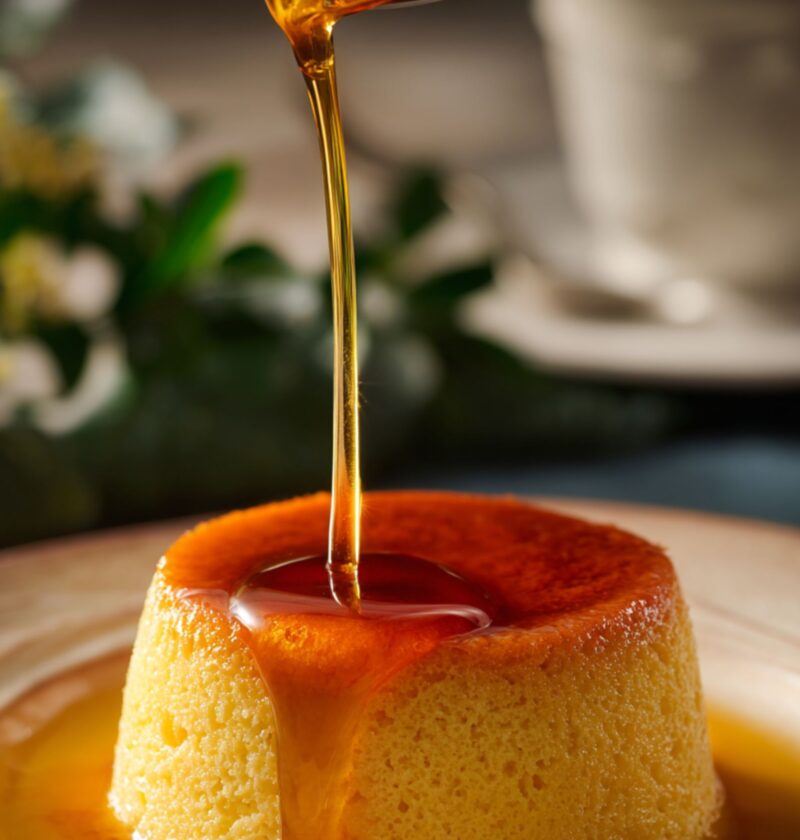
James Martin Steamed Pudding is the ultimate “hug in a bowl,” a dessert that defines traditional British comfort food. Unlike a light, airy baked sponge, this pudding is dense, moist, and unashamedly indulgent. James Martin is a fierce defender of these nostalgic classics, and his recipe uses a combination of suet and fresh breadcrumbs to achieve a unique, melt-in-the-mouth texture that baking simply cannot replicate. Whether you line the basin with golden syrup, tangy marmalade, or raspberry jam, the gentle steaming process creates a sticky, saucy top that cascades down the sides when turned out.
Try More Recipes:
Why You Will Love This Steamed Pudding Recipe:
- Nostalgic Comfort: It captures the essence of classic school-dinner puddings but with a high-quality, homemade upgrade.
- Foolproof Texture: The use of suet and breadcrumbs ensures the sponge stays moist and tender, even after long cooking times.
- Versatile Fillings: You can easily swap the golden syrup for treacle, jam, lemon curd, or even ginger preserve.
- Set and Forget: Once it’s in the steamer or pot, it requires very little attention, leaving you free to enjoy your main meal.
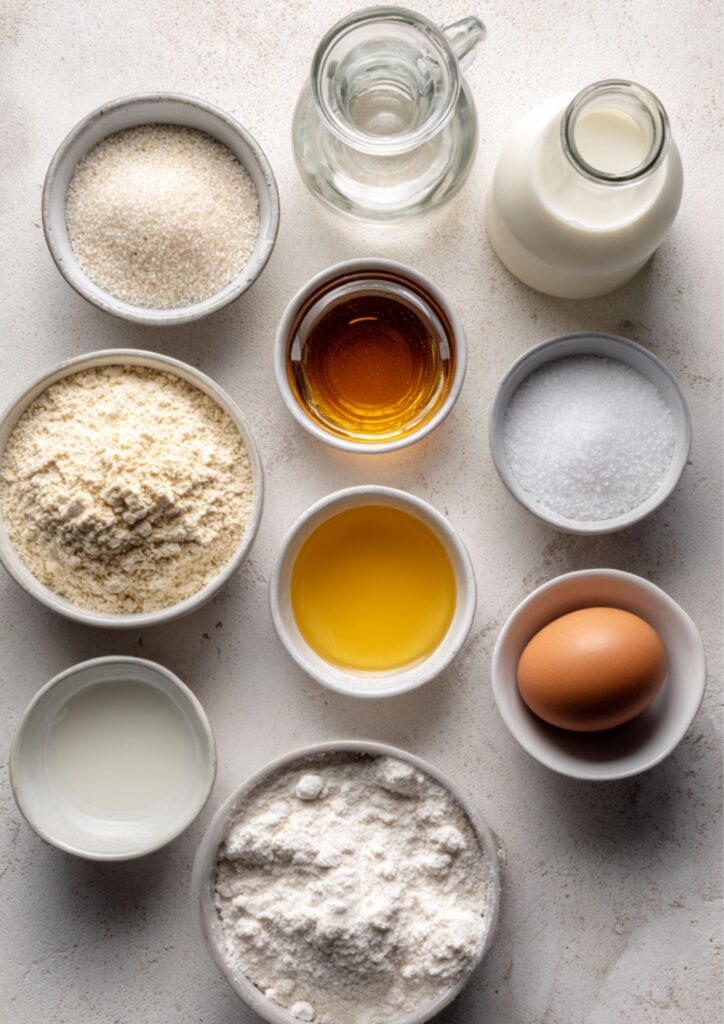
James Martin Steamed Pudding Ingredients
- 4 tbsp Golden Syrup
- 175g Self-Raising Flour
- 125g Shredded Suet
- 75g Fresh White Breadcrumbs
- 100g Caster Sugar
- 1 Large Egg
- 150ml Whole Milk
- 1 tsp Vanilla Extract
- Pinch of Salt
- Butter
How To Make James Martin Steamed Pudding
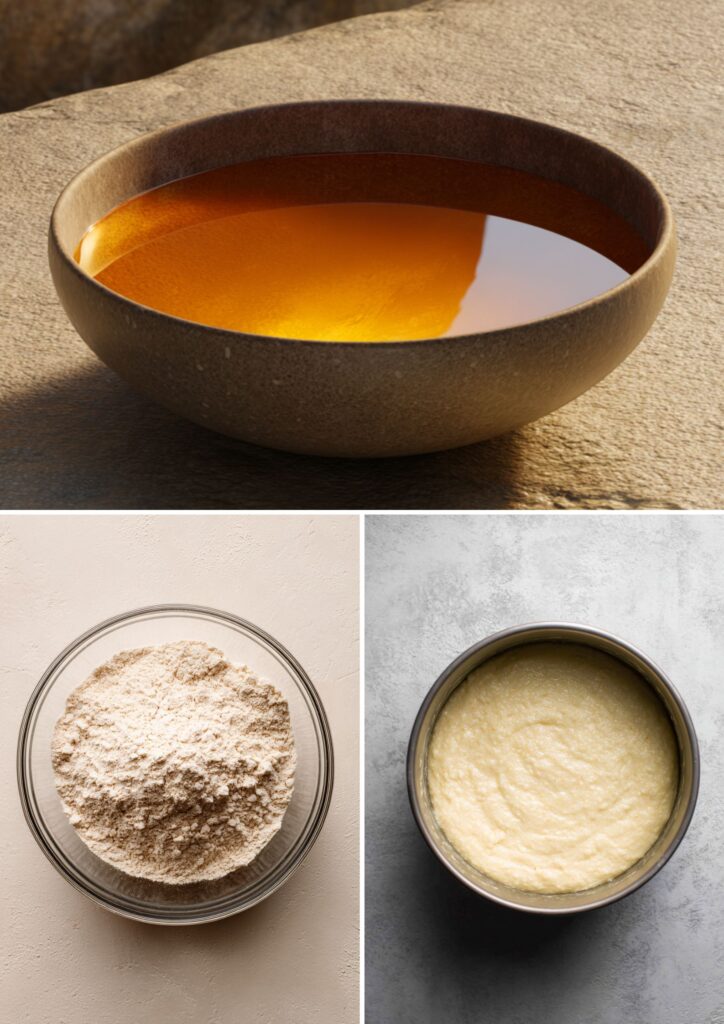
- Prep the Basin: Generously grease a 1-liter (2-pint) heatproof pudding basin with butter. Pour the golden syrup (or your chosen jam) into the bottom of the basin.
- Mix Dry Ingredients: In a large mixing bowl, combine the self-raising flour, shredded suet, fresh breadcrumbs, sugar, and salt. Stir well so the suet is evenly distributed.
- Combine Wet Ingredients: In a separate jug, whisk together the beaten egg, milk, and vanilla extract.
- Make the Batter: Pour the wet mixture into the dry ingredients. Stir gently until you have a thick, dropping-consistency batter. Do not beat it vigorously; just mix until combined.
- Fill: Spoon the batter into the basin on top of the syrup. Smooth the surface with the back of a spoon. Leave about 2cm of space at the top to allow the pudding to rise.
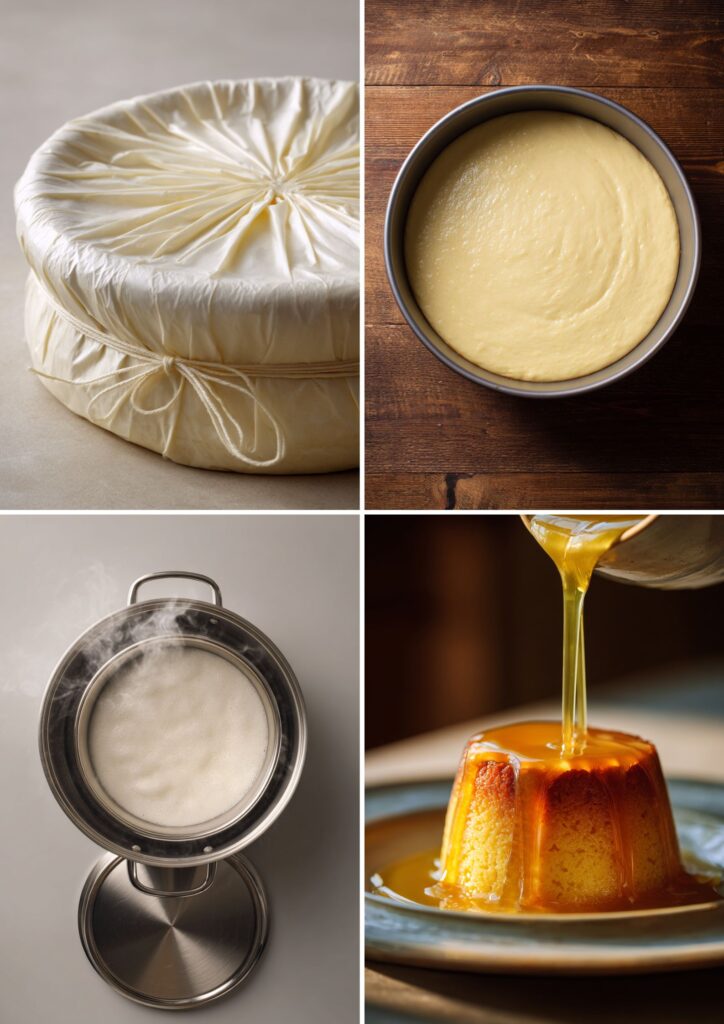
- Seal: Cut a piece of baking parchment and a piece of foil, both larger than the basin top. Pleat them in the middle (fold over itself) to allow for expansion. Place over the basin (foil on top) and tie tightly with kitchen string under the rim.
- The Steam: Place the basin in a large steamer pot, or sit it on an inverted saucer in a large saucepan. Fill with boiling water until it reaches halfway up the side of the basin.
- Cook: Cover the pot with a tight lid and steam over low heat for 1.5 to 2 hours. Check the water level every 30 minutes and top up with boiling water if needed.
- Serve: Carefully remove the basin. Let it sit for 2 minutes. Remove the string and foil, place a deep plate with a rim over the top, and invert the pudding. The syrup will flow down the sides.
Recipe Tips
- The Pleat is Vital: Don’t skip pleating the foil and paper. The pudding will expand as it cooks, and if the cover is too tight, it will prevent the sponge from rising properly.
- Don’t Boil Dry: If the water runs out, the pot will burn and the pudding will stop cooking. Keep a kettle of boiled water nearby to top up the pan.
- Fresh Breadcrumbs: Do not use dried, packet breadcrumbs. You need soft, fresh crumbs (made from 1-2 day old bread) to get the correct sponge texture.
- Suet Selection: If using vegetable suet, the pudding will be lighter in color. Beef suet provides a deeper, savory richness that contrasts beautifully with the sweet syrup.
What To Serve With Steamed Pudding?
This is a Pudding that demands custard. Serve it with a jug of hot, homemade vanilla bean custard. Alternatively, a pour of cold double cream or a scoop of clotted cream creates a wonderful hot-cold contrast. If you have a sweet tooth, keep the tin of golden syrup on the table for an extra drizzle.
How To Store Leftovers Steamed Pudding?
- Fridge: Let the pudding cool completely, then cover or transfer to an airtight container. It keeps well for 3–4 days.
- Freezer: Wrap individual portions or the whole pudding in cling film and foil. Freeze for up to 2 months. Thaw in the fridge before reheating.
How To Reheat Leftovers Steamed Pudding?
- Microwave (Easiest): Place a portion in a bowl, cover loosely, and heat for 30–60 seconds. Be careful, as the syrup gets extremely hot.
- Steam: You can re-steam the whole pudding in its basin for 20–30 minutes to heat it through thoroughly.
FAQs
Yes, place the sealed basin in the slow cooker, fill with boiling water halfway up the basin, and cook on High for 3–4 hours.
This usually happens if the batter was over-mixed or if the water went off the boil during steaming, causing the temperature to drop.
Absolutely, you can stir 100g of sultanas or currants into the dry mix to make a classic potted Dick on your Steamed Pudding.

More Recipes:
Steamed Pudding Nutrition Facts
- Calories: ~450 kcal
- Total Fat: 22g
- Saturated Fat: 14g
- Cholesterol: 65mg
- Sodium: 310mg
- Total Carbohydrate: 58g
- Protein: 6g

James Martin Steamed Pudding
Course: Dessert, Breakfast, SnacksCuisine: British, AmericanDifficulty: Easy4-6
servings15
minutes1
hour450
kcalJames Martin Steamed Pudding is a British classic. Using a suet and fresh breadcrumb sponge base, this pudding is steamed until light yet moist, with a decadent layer of golden syrup or jam on top that creates a self-saucing finish.
Ingredients
4 tbsp Golden Syrup
175g Self-Raising Flour
125g Shredded Suet
75g Fresh White Breadcrumbs
100g Caster Sugar
1 Large Egg
150ml Whole Milk
1 tsp Vanilla Extract
Pinch of Salt
Butter
Directions
- Prep the Basin: Generously grease a 1-liter (2-pint) heatproof pudding basin with butter. Pour the golden syrup (or your chosen jam) into the bottom of the basin.
- Mix Dry Ingredients: In a large mixing bowl, combine the self-raising flour, shredded suet, fresh breadcrumbs, sugar, and salt. Stir well so the suet is evenly distributed.
- Combine Wet Ingredients: In a separate jug, whisk together the beaten egg, milk, and vanilla extract.
- Make the Batter: Pour the wet mixture into the dry ingredients. Stir gently until you have a thick, dropping-consistency batter. Do not beat it vigorously; just mix until combined.
- Fill: Spoon the batter into the basin on top of the syrup. Smooth the surface with the back of a spoon. Leave about 2cm of space at the top to allow the pudding to rise.
- Seal: Cut a piece of baking parchment and a piece of foil, both larger than the basin top. Pleat them in the middle (fold over itself) to allow for expansion. Place over the basin (foil on top) and tie tightly with kitchen string under the rim.
The Steam: Place the basin in a large steamer pot, or sit it on an inverted saucer in a large saucepan. Fill with boiling water until it reaches halfway up the side of the basin.- Cook: Cover the pot with a tight lid and steam over low heat for 1.5 to 2 hours. Check the water level every 30 minutes and top up with boiling water if needed.
- Serve: Carefully remove the basin. Let it sit for 2 minutes. Remove the string and foil, place a deep plate with a rim over the top, and invert the pudding. The syrup will flow down the sides.
Notes
- The Pleat is Vital: Don’t skip pleating the foil and paper. The pudding will expand as it cooks, and if the cover is too tight, it will prevent the sponge from rising properly.
Don’t Boil Dry: If the water runs out, the pot will burn and the pudding will stop cooking. Keep a kettle of boiled water nearby to top up the pan.
Fresh Breadcrumbs: Do not use dried, packet breadcrumbs. You need soft, fresh crumbs (made from 1-2 day old bread) to get the correct sponge texture.
Suet Selection: If using vegetable suet, the pudding will be lighter in color. Beef suet provides a deeper, savory richness that contrasts beautifully with the sweet syrup.